Gaza Genocide21 January, 20263 min read
Western European Governments Split Over Trump's Board Of Peace For Gaza
This article is an automated aggregation of coverage from news outlets. Our editorials offer in-depth analysis curated by the NewsCord team.
Several Western European governments declined or remained noncommittal about joining the initiative Trump invited Russia's Putin, China's Xi and other authoritarian leaders to the Gaza oversight body
8 outlets told this the same way.
Outlets did split on Thousands March in London Calling for Britain to Stop Arming Israel and Impose Sanctions →
ABC News was read line by line by the Watchdog: 8.8. See the score →
Split over Gaza board
A sharp split has opened among Western European governments over President Donald Trump's proposed 'Board of Peace' to oversee a Gaza ceasefire and reconstruction. The initiative is described as being chaired by Trump and backed by senior US political and business figures. It has drawn around 50 invitations, with roughly 30 expected initially to join according to one White House official.
“Divisions emerged among Western and other countries over President Donald Trump’s proposed ‘Board of Peace’ to oversee his Gaza ceasefire plan as he arrived in Davos.”
Many European governments have publicly balked at endorsing a body that some fear could sideline the United Nations. Spectrum News reports that Norway and Sweden said they would not accept invitations, and that France rejected creation of an organization that could supplant the UN.

Vocal.media outlines the board's high-profile leadership and broad invitation list. The BBC notes Israel also criticized the board's makeup, saying inclusion of Turkey and Qatar was decided 'over Israel's head'.
European responses to peace plan
Several Western European governments have explicitly declined or withheld support: France publicly rejected creating an organization that might supplant the UN’s role, while Norway and Sweden refused invitations and Norway said it would not attend the Davos signing. Spectrum News emphasizes European skepticism and domestic political calculations, noting Norway and Sweden’s refusals and France’s caveated backing of the peace plan but rejection of the board structure.
Vocal.media likewise records that leaders including Emmanuel Macron have declined invitations and highlights broader international caution. Al Jazeera adds that many European states, plus China and Russia, have not confirmed and that most prefer UN-based rules over a US-led body.

Debate over governance board
Critics across sources warn the Board concentrates power, privileges wealthy backers, and risks undermining existing multilateral institutions. Vocal.media details the board’s funding model tying permanent seats to large financial commitments and reports that Trump would be a reported 'lifelong' chairman, prompting criticism of pay-to-play governance.
“Leadership: The board is structured around prominent U.S. political and business figures, with Trump positioned as a long‑term (reported ‘lifelong’) chairman, and advisers and international figures (e.g., Banga, Kushner) in leading roles.”
Spectrum News and the BBC echo fears the board could supplant the UN’s central role, while Al Jazeera notes the predictable reluctance by states that prefer UN rules and says China may be cautious due to its own Global Governance Initiative. Supporters argue the board is meant to be nimbler where current mechanisms stall, but many governments remain unconvinced about its legitimacy and oversight.
Gaza humanitarian and governance debate
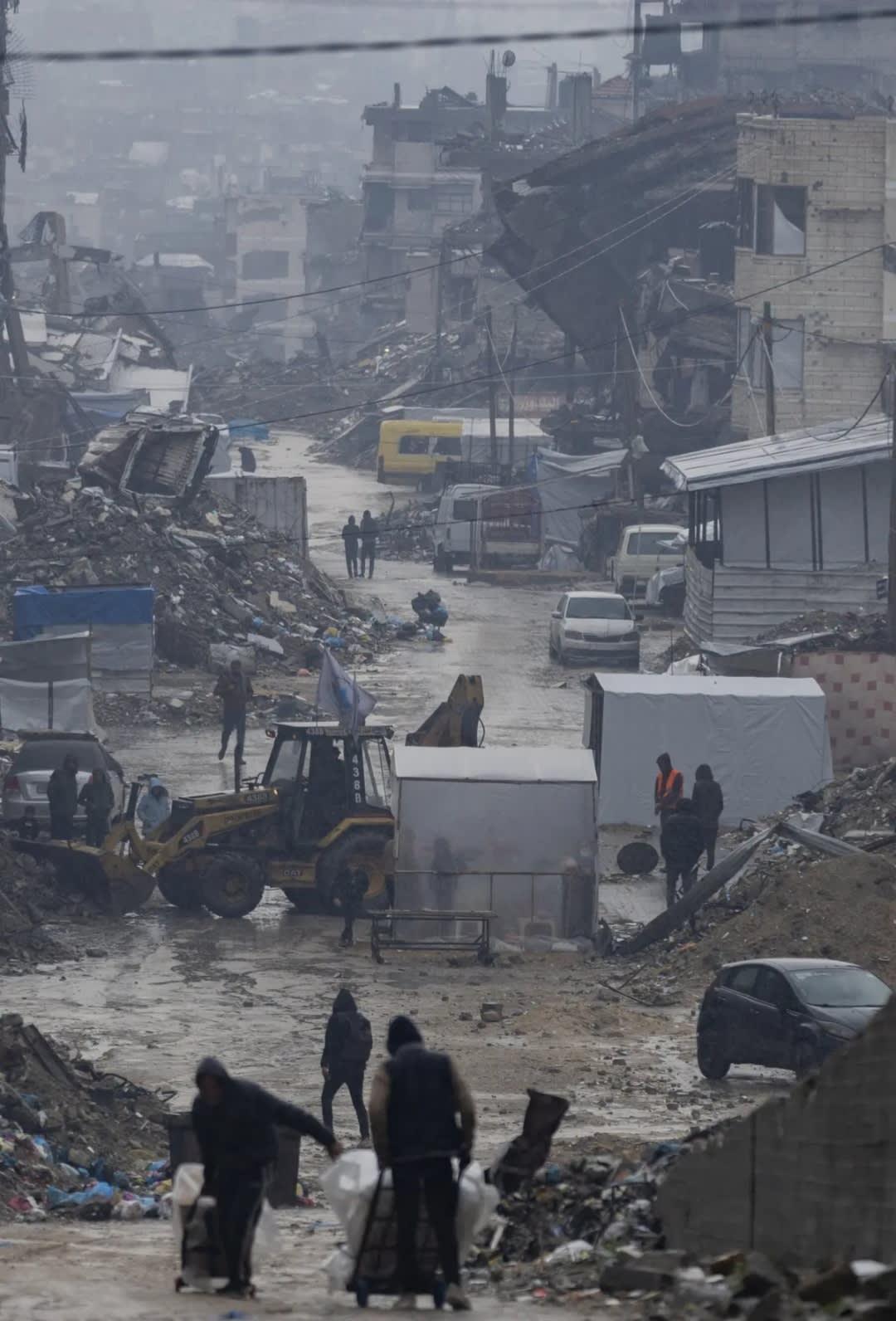
The Board debate takes place amid ongoing Israeli military operations in Gaza and urgent humanitarian warnings. Governments have said those immediate humanitarian needs must not be ignored in favour of long-term governance experiments. BBC and Spectrum News report that Gaza’s health authorities and others say hundreds of Palestinians have been killed by Israeli strikes since the truce began.
Spectrum News gives examples of recent deadly Israeli strikes that killed journalists and children. Haaretz reports an OGP steering-committee review accused Israel of policies that infringe civilians’ rights and 'amount to genocide,' an allegation Israel calls baseless.
That allegation is shaping some diplomatic reactions and helps explain Israel’s decision to withdraw from the Open Government Partnership. Humanitarian groups cited by vocal.media similarly stress that immediate aid to Gaza must be prioritised over building long-term institutional architectures.
Diplomatic and political rifts
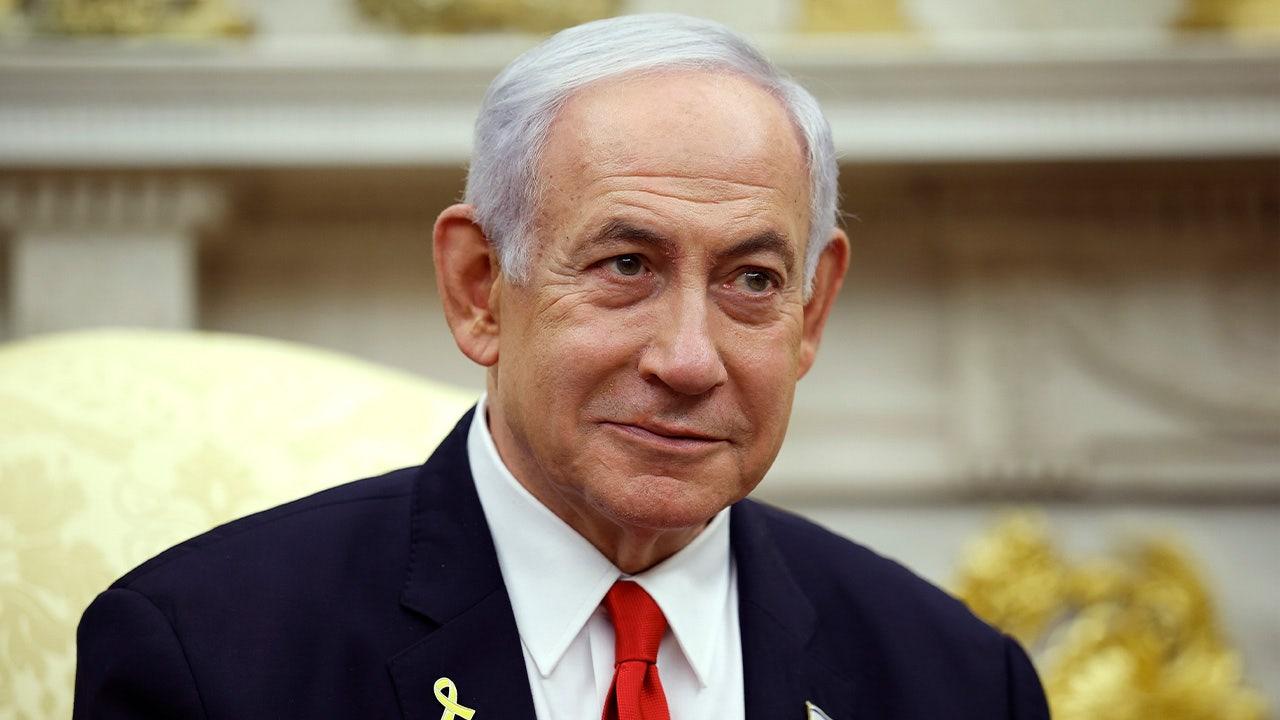
The diplomatic faultlines extend to domestic politics and international posture. Spectrum News reports Netanyahu agreed to participate despite earlier objections, a move that may strain his coalition with far-right ministers. Haaretz records Israel pulling out of the Open Government Partnership and notes Israel’s growing defence ties, with Athens acquiring air- and missile-defence systems based on Israel’s Iron Dome technology.
“Prime Minister Benjamin Netanyahu agreed to participate despite earlier Israeli objections to the board’s committee makeup, a move that may strain his coalition with far-right ministers who oppose the proposal.”
Al Jazeera describes how some invitations and geopolitical horse-trading, including pressure related to Greenland in the US-Denmark relationship, shape state responses. The split in Europe therefore reflects both principled institutional concerns about UN authority and transactional calculations about influence, money and bilateral ties to Washington.
