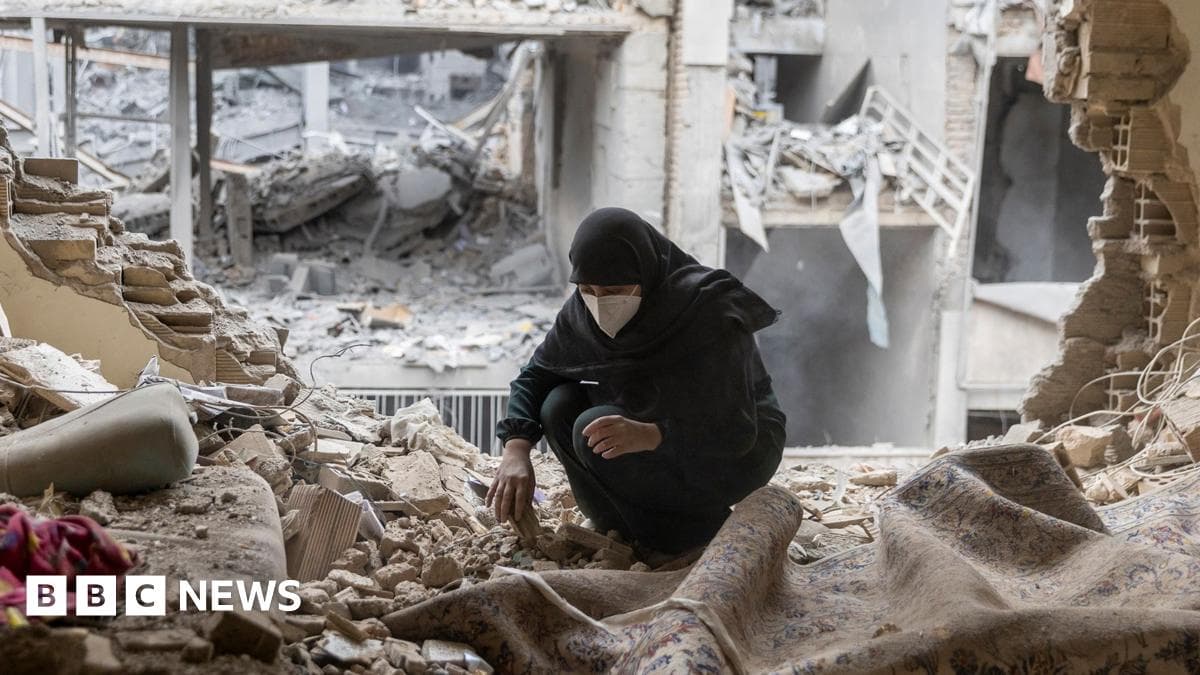
What Iranians are being told about the war
Key Takeaways
- Netanyahu suggested Khamenei was killed in a joint US-Israeli strike.
- Initial reports appeared on foreign screens beyond most Iranians' reach.
- Iranian state TV remained silent; officials would not confirm or comment.
Khamenei death rumors & state response
Initial reports about the war appeared on foreign screens, beyond the reach of most Iranians, while state television offered silence on Ayatollah Ali Khamenei’s fate.
“- Published The first reports appeared on foreign screens, beyond the reach of most Iranians”
On 28 February, Prime Minister Benjamin Netanyahu said there were 'signs that the tyrant is no more,' suggesting the Supreme Leader had been killed in a joint US-Israeli strike, but Iranian state media would not confirm or deny.
A state broadcaster on IRTV3 urged viewers to 'trust' the government and the 'latest information,' dismissing the death reports as 'baseless rumours' that would 'soon be revealed.'
It took until the following morning for Iranian state media to report Khamenei’s death, hours after US President Donald Trump publicly announced it on social media.
Since the war began, which has reportedly killed more than 1,200 people in Iran and spread to Lebanon and Gulf Arab states, Iranian state media has blended fact with fiction, presenting an official version of events to its domestic audience.
Iranian media control and censorship
Iran's media apparatus operates under strict restrictions and censorship.
According to media watchdog Reporters Without Borders, Iran is one of the world's most repressive countries for press freedom.
Since the 1979 revolution, all media have operated under strict restrictions, and most Western-based and Persian-language outlets, including BBC Persian, are banned from reporting from the country.
The regime’s main platforms are TV and radio, but it also operates online through news websites and networks like Instagram, Telegram, and X; access from inside Iran typically requires a VPN.
Its media apparatus has become the main source of information for people living in the country when the internet is cut off.
'They have a narrative that they're pushing,' says Mahsa Alimardani from the human rights organisation Witness: 'it is that they are quite victorious and that their military is very strong.'
Disinformation and AI-driven propaganda
Iranian state media have inflated enemy casualties and pushed propaganda, with Tasnim reporting on 3 March that 650 US military personnel had been killed in the first two days of the war, a claim echoed by outlets abroad and later tempered by official figures.
“- Published The first reports appeared on foreign screens, beyond the reach of most Iranians”
The Pentagon had confirmed the death of six US soldiers, and on 13 March US Central Command confirmed the death of a further seven service members.
A state-run English-language channel, Press TV, posted a video with AI-forged imagery of a burning building and a caption about 'Smoke rises from a high-rise in Bahrain following Iran's attack,' later found to contain manipulated elements such as cars that appear to merge.
Analysts note that the use of AI-generated content in war propaganda by state media is striking and a feature of their reporting rather than a glitch; the White House and US president Donald Trump also routinely share AI-generated imagery meant to glorify the war, and Israeli Prime Minister Benjamin Netanyahu recently shared an AI-generated image of himself with Trump and Churchill.
Kernels of truth amid propaganda
Iran's reporting also mixes kernels of truth with misinformation, a pattern that sows doubt among critics.
On 3 March Iranian state media reported that more than 160 children and staff were killed in a strike on a school—independent experts say the strike targeted a nearby military base—and published an aerial picture of a mass funeral.
Opponents claimed the funeral image had been AI-generated, but geolocation showed it matched a cemetery about 3.7km from the school, with the trees, road layout, and nearby building matching satellite imagery.
Freshly dug graves appeared on satellite imagery from the day after the funeral, while the day before the ground was bare.
'We have to hold two truths at the same time,' says Mahsa Alimardani: 'The Iranian regime often hides evidence when it is the perpetrator of abuses, but during the war it will also invest heavily in documenting civilian casualties.'
She adds that while documentation can serve propaganda and the state's war narrative, it does not automatically make it false.
More on Iran
Iranian Women's Soccer Captain Zahra Ghanbari Withdraws Asylum Bid in Australia
10 sources compared
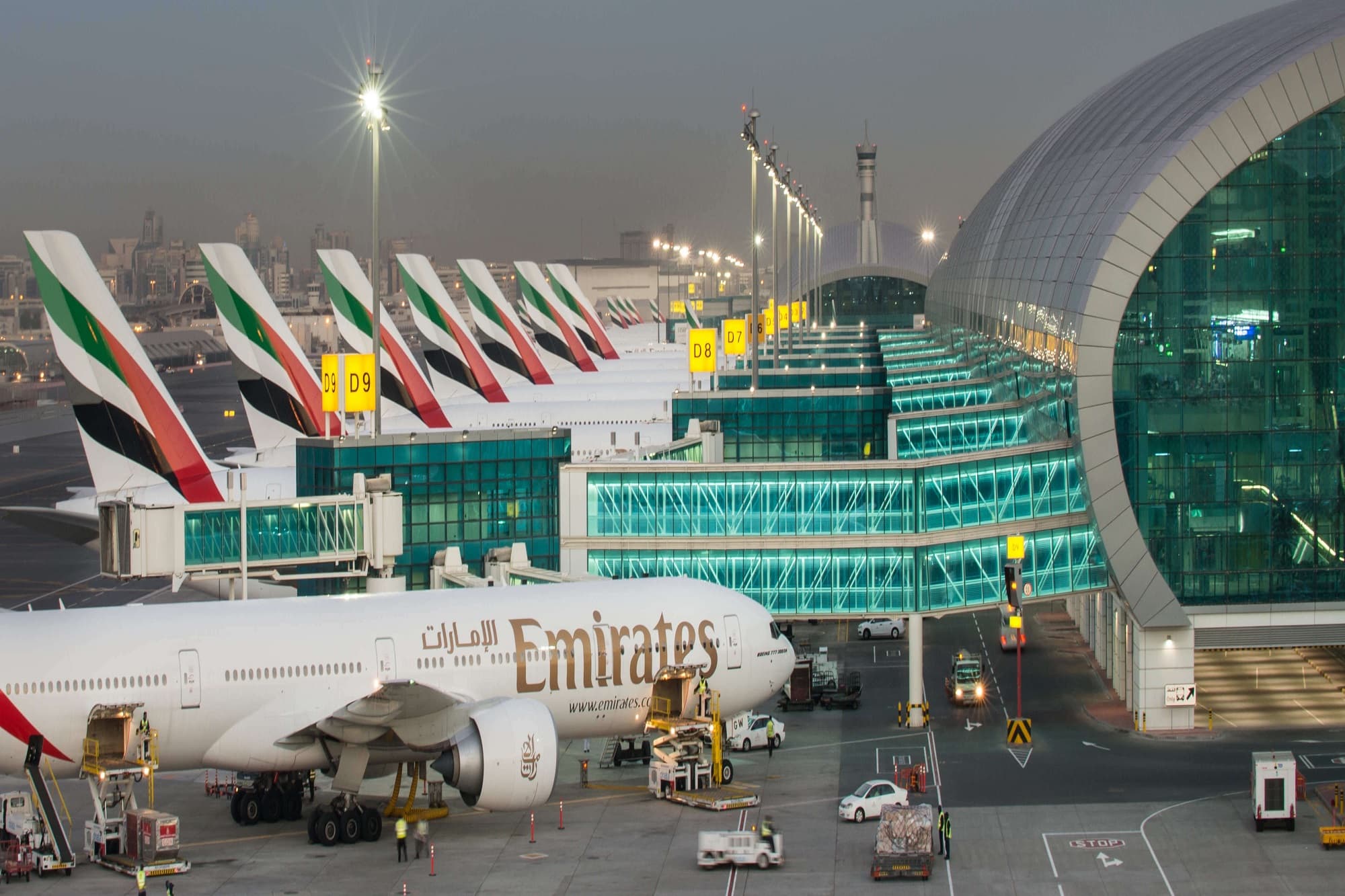
Iranian Drone Strike Shuts Dubai International Airport, Thousands Stranded
25 sources compared

Iran Drone Strike Shuts Dubai International Airport, Triggers Global Travel Disruption
16 sources compared

Iran's New Supreme Leader Mojtaba Khamenei Travels to Moscow for Leg Surgery
15 sources compared