
What is the strait of Hormuz and can the US stop Iran from blocking it?
Key Takeaways
- Over 1,000 cargo ships blocked from Hormuz by Tehran's closure amid Israeli-U.S. war against Iran.
- Potentially large global economic impact due to the blockage.
- Trump officials floated international naval taskforce to reopen, but other countries show little enthusiasm.
Strait closure and impact
More than 1,000 cargo ships, mainly oil and gas tankers, have been blocked from transiting the strait of Hormuz by the Israeli-US war against Iran after Tehran closed the key maritime passage, with a potentially large global economic impact.
“More than 1,000 cargo ships, mainly oil and gas tankers, have been blocked from transiting the strait of Hormuz by the Israeli-US war against Iran after Tehran closed the key maritime passage, with a potentially large global economic impact”
The strait is the only maritime passage out of the Gulf and the route for about a quarter of the world’s liquefied natural gas and seaborne trade.
Shipping is confined to a pair of two-mile-wide lanes, one for outbound traffic and one for incoming, separated by a two-mile-wide meridian.
At its narrowest, the strait is just 21 nautical miles wide (24 miles), constrained on one side by the coast of Iran and on the other by the Musandam peninsula in Oman.
US readiness and assessments
In order to widen the geographic scope of the war and increase the global costs associated with it, Iran has attacked ships and reportedly started to lay mines in the strait, in effect closing it to marine traffic.
US military planners have long warned that Iran could try to close the strait in the event of a conflict, but the Trump administration appears to have failed to anticipate such a response.
That in turn has caught Washington out, including the energy secretary, Chris Wright, who said on Thursday that the US navy could not yet carry out an escort operation.
"We’re simply not ready," he said, adding that "all of our military assets right now are focused on destroying" Iran’s military resources.
International coalition prospects
Trump has mentioned the UK, China, France, Japan and South Korea as potential participants, adding: "It’s only appropriate that people who are the beneficiaries of the strait will help to make sure that nothing bad happens there."
“More than 1,000 cargo ships, mainly oil and gas tankers, have been blocked from transiting the strait of Hormuz by the Israeli-US war against Iran after Tehran closed the key maritime passage, with a potentially large global economic impact”
He said on Monday that Nato faces a "very bad" future should its member states fail to help.
At present, however, there is no international coalition.
China, which has one of the world’s largest navies, has so far made no comment on Trump’s request, nor on its lack of response to questions about it.
Japan’s prime minister, Sanae Takaichi, has also said Japan does not currently plan to dispatch naval vessels to the Middle East and confirmed the US had yet to make a formal request for assistance.
Germany and Australia have also ruled out deploying naval forces, while the French foreign ministry has emphasised that its current military posture is aimed at ensuring regional stability rather than escalating the conflict.
South Korea appeared to be slow-walking the US request for "careful consideration".
The UK has indicated it might send drone mine hunters, but ministers appear sceptical about deploying ships for the high-risk mission.
Mines, threats and deployments
What about sea mines? Iran has a variety of powerful sea mines available, some more crude than others, which can be deployed just below the surface or anchored to the seabed and be set off as deep as 50 metres (164ft) below the surface.
The country has conventional mine-laying vessels but it can also use fishing boats and other small craft.
Naval mines are a potent threat with a long history of damaging shipping, but also present a psychological threat and would increase the complexity of any convoy missions.
Can the US counter Iranian shore batteries? Some analysts have suggested the size of the area involved and the availability of cheap and effective drones would require a ground operation to secure the coast along the strait, which in itself would probably be complicated.
Late last week, 2,000 US marines from the 31st Marine Expeditionary Unit, based in Okinawa, were dispatched towards the Middle East along with their amphibious assault ships and are expected to reach the region in about two weeks.
However, it is unlikely a force of that size would be sufficient for an operation to counter Iranian shore-based missile batteries.
More on Iran
Iranian Women's Soccer Captain Zahra Ghanbari Withdraws Asylum Bid in Australia
10 sources compared
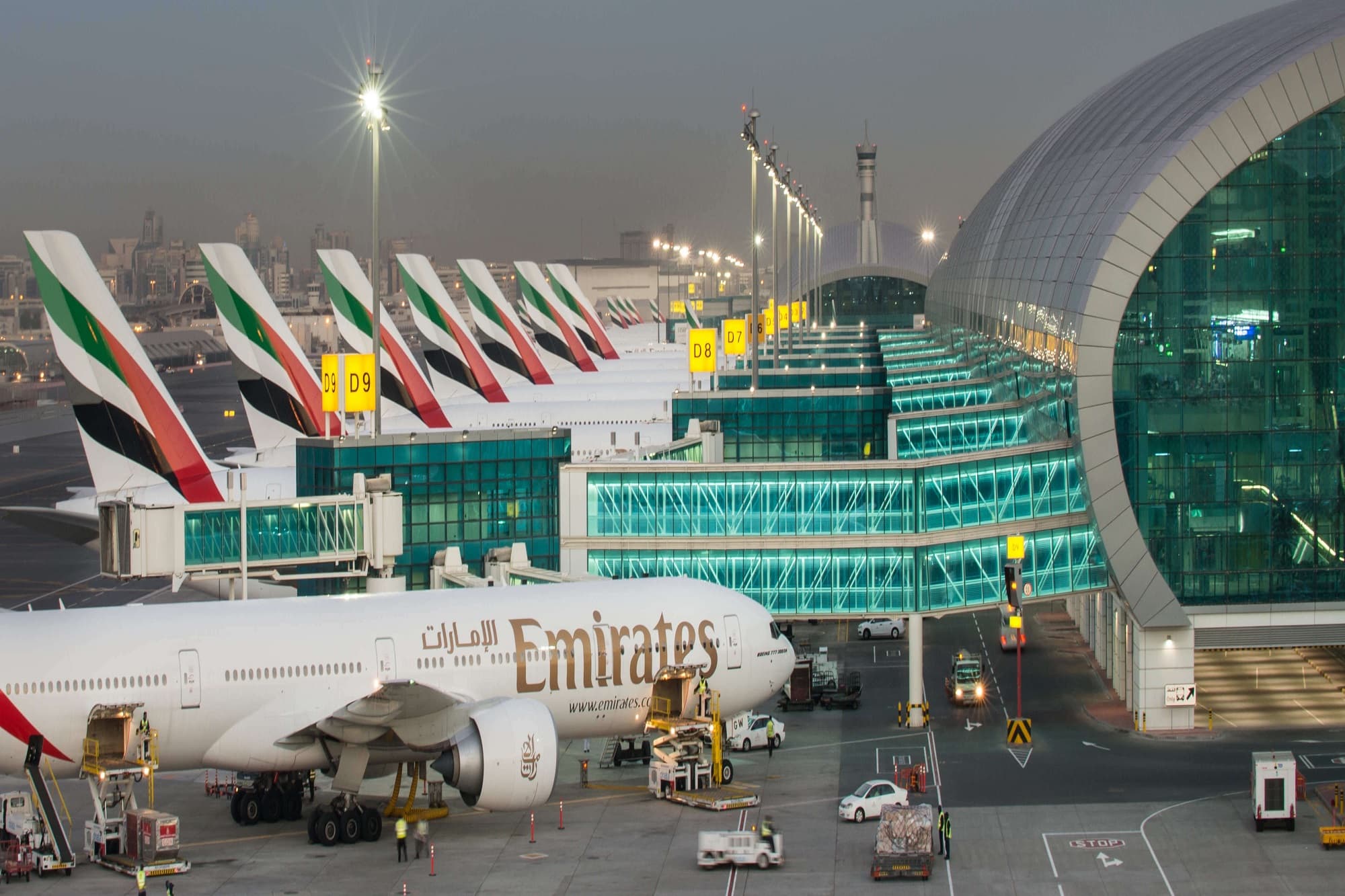
Iranian Drone Strike Shuts Dubai International Airport, Thousands Stranded
25 sources compared

Iran Drone Strike Shuts Dubai International Airport, Triggers Global Travel Disruption
16 sources compared

Iran's New Supreme Leader Mojtaba Khamenei Travels to Moscow for Leg Surgery
15 sources compared