
White House Aides Fight Over How to Declare Victory in Iran War
Key Takeaways
- White House internal tug-of-war drives President Donald Trump's shifting public statements on the Iran war
- Aides debate timing and manner of declaring victory despite war spreading across the Middle East
- Some officials and advisers warn Trump surging gasoline prices could exact a political cost
White House tug-of-war
A sharp internal struggle inside the White House is driving President Donald Trump's shifting public statements about the Iran war, with aides openly debating when and how to declare victory even as the conflict spreads across the Middle East.
“WASHINGTON, March 13 (Reuters) - A complex tug-of-war inside the White House is driving U”
Reporting says this tug-of-war is shaping the administration’s messaging and decision-making as advisers weigh political and strategic trade-offs.
Reuters frames the reporting as a previously unreported glimpse into White House deliberations over what the sources call the biggest U.S. military operation since 2003.
Shifting presidential message
Trump’s public messaging has shifted from broad objectives to portraying the conflict as a limited campaign whose goals are largely accomplished, but his statements have been inconsistent and have unsettled markets.
At a campaign-style rally he declared “we won,” then immediately qualified that position by urging not to "leave early" and to "finish the job," demonstrating the mixed signals coming from the president.
Observers note energy markets have reacted unpredictably to this oscillation in tone and stated aims.
Economic and political concerns
Economic and political advisers have pressed Trump to define victory narrowly and signal an imminent end to reduce domestic fallout from rising fuel costs, warning that surging gasoline prices could exact a political cost from U.S. and allied attacks on Iran.
“WASHINGTON, March 13 (Reuters) - A complex tug-of-war inside the White House is driving U”
Officials from the Treasury Department and National Economic Council are cited as cautioning that an oil shock and higher gas prices could erode public support.
Political aides including Chief of Staff Susie Wiles and deputy chief James Blair are urging a limited, nearly finished framing.
Hawks press to continue
Countervailing hawkish voices within and outside the administration are pushing to sustain pressure on Iran, arguing against an early drawdown and calling for continued military pressure.
Cited proponents include Republican senators such as Lindsey Graham and Tom Cotton, along with media commentators like Mark Levin, who are urging continued offensive actions even as other aides counsel retrenchment.
This internal split reflects competing assessments of strategy, risk and political advantage.
High stakes and consequences
The stakes of the dispute are high: reporters describe this as the most significant U.S. military operation since 2003, one that has rattled global financial markets and disrupted the international oil trade, intensifying internal calculations about timing and messaging.
“WASHINGTON, March 13 (Reuters) - A complex tug-of-war inside the White House is driving U”
The White House’s internal debate over whether to declare victory or continue the offensive is therefore tied not only to military objectives but to economic fallout and domestic political calculus ahead of future campaigns.
More on Iran
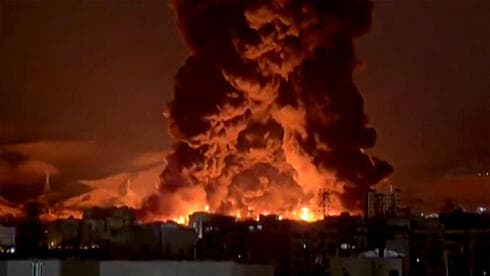
US obliterates military targets on Iran’s Kharg Island, Trump warns
13 sources compared

US Deploys About 2,500 Marines to Middle East After Iran Attacks Gulf Shipping
33 sources compared
FBI Warns of Iranian Drone Plot Based on Unverified Tip; California Says No Credible Threat
10 sources compared

White House Demands ABC Retract Report Claiming Iran Sought To Launch Drone Attacks On California
11 sources compared