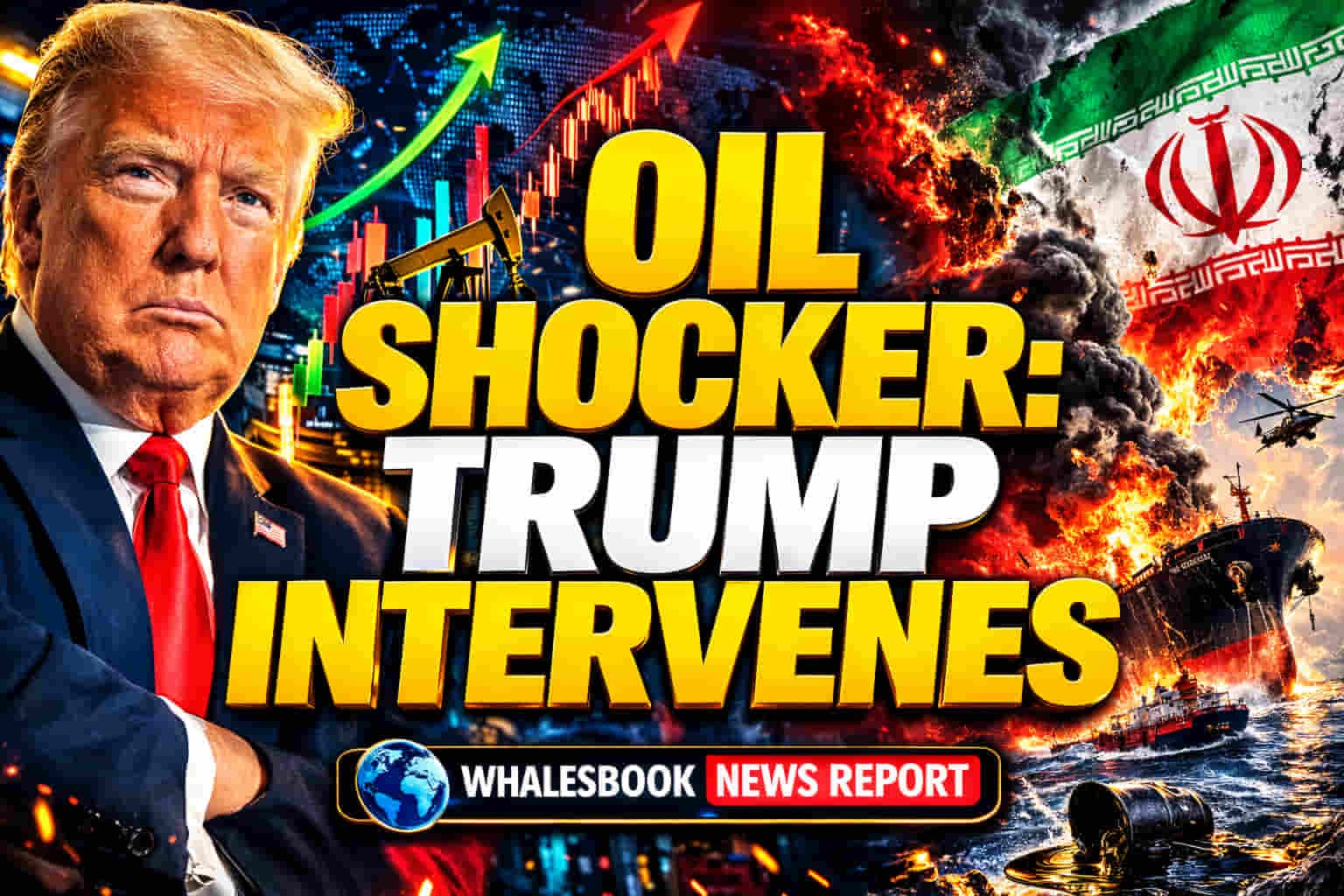
White House Intervenes as Iran Conflict Sends Oil Prices Soaring
Key Takeaways
- White House considering export restrictions and tax waivers to temper surging oil prices
- Oil prices have climbed past $115 a barrel amid escalating tensions involving Iran
- Measures stem from economic worries ahead of November midterm elections and potential Jones Act easing
White House oil response
The White House is contemplating export restrictions and tax waivers to temper surging oil prices, which have climbed past $115 a barrel, with WTI futures approaching $120 and Brent nearing $110.
“The White House is contemplating export restrictions and tax waivers to temper surging oil prices, which have climbed past $115 a barrel due to escalating geopolitical tensions involving Iran”
President Trump is reportedly set to review export curbs and tax waivers as early as Monday.
Officials are also considering potential easing of Jones Act requirements.
The article says these interventions are driven largely by domestic political considerations to cushion the economic impact on U.S. businesses and consumers ahead of the November midterm elections, though the actual impact of Jones Act changes on global prices remains debated.
G7 crude reserve plan
G7 finance ministers are reportedly discussing a coordinated release of crude from strategic reserves under International Energy Agency (IEA) protocols to stabilize markets.
Such releases can provide immediate psychological relief, with a 180 million barrel release in 2022 suppressing prices for about six weeks but not preventing elevated prices for months thereafter.
A proposed 400 million barrel release would cover only a few days of global demand or a limited period of disruption in the Strait of Hormuz.
Strategic reserves are already depleted from past crises, which raises concerns about future energy security.
Geopolitical oil risks
The piece argues that geopolitics currently dominates fundamentals.
“The White House is contemplating export restrictions and tax waivers to temper surging oil prices, which have climbed past $115 a barrel due to escalating geopolitical tensions involving Iran”
Strikes on Iranian military and fuel facilities, plus Iranian retaliatory actions targeting shipping routes, have choked off approximately 20% of global oil supplies transiting the Strait of Hormuz.
Several Middle Eastern producers, including Saudi Arabia, the UAE, Kuwait, and Iraq, have reportedly begun curbing production as storage facilities fill due to restricted tanker traffic.
Analysts cited in the article warn a protracted conflict could push prices to $120–$150 per barrel and could trigger stagflationary pressures.
The article also states geopolitical tensions can add risk premiums of $4–$10 per barrel or more.
Oil market geopolitical risks
Government interventions and reserve releases may offer only temporary relief against a significant supply disruption.
The IEA has said its emergency response system is not designed for price intervention or long-term supply management.
Forecasts still suggest Brent could average around $60–$63 per barrel in 2026 but with significant upward risk due to such geopolitical events.
The IMF has flagged escalating geopolitical tensions as a key downside risk to its 2026 global growth projections.
Market sentiment will likely remain highly volatile and sensitive to developments in the Middle East.
More on Iran
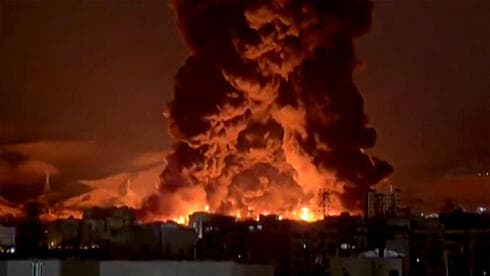
US obliterates military targets on Iran’s Kharg Island, Trump warns
13 sources compared

US Deploys About 2,500 Marines to Middle East After Iran Attacks Gulf Shipping
33 sources compared
FBI Warns of Iranian Drone Plot Based on Unverified Tip; California Says No Credible Threat
10 sources compared

White House Demands ABC Retract Report Claiming Iran Sought To Launch Drone Attacks On California
11 sources compared