USA25 September, 20252 min read
White House Orders Federal Agencies to Prepare for Mass Firings Ahead of Government Shutdown
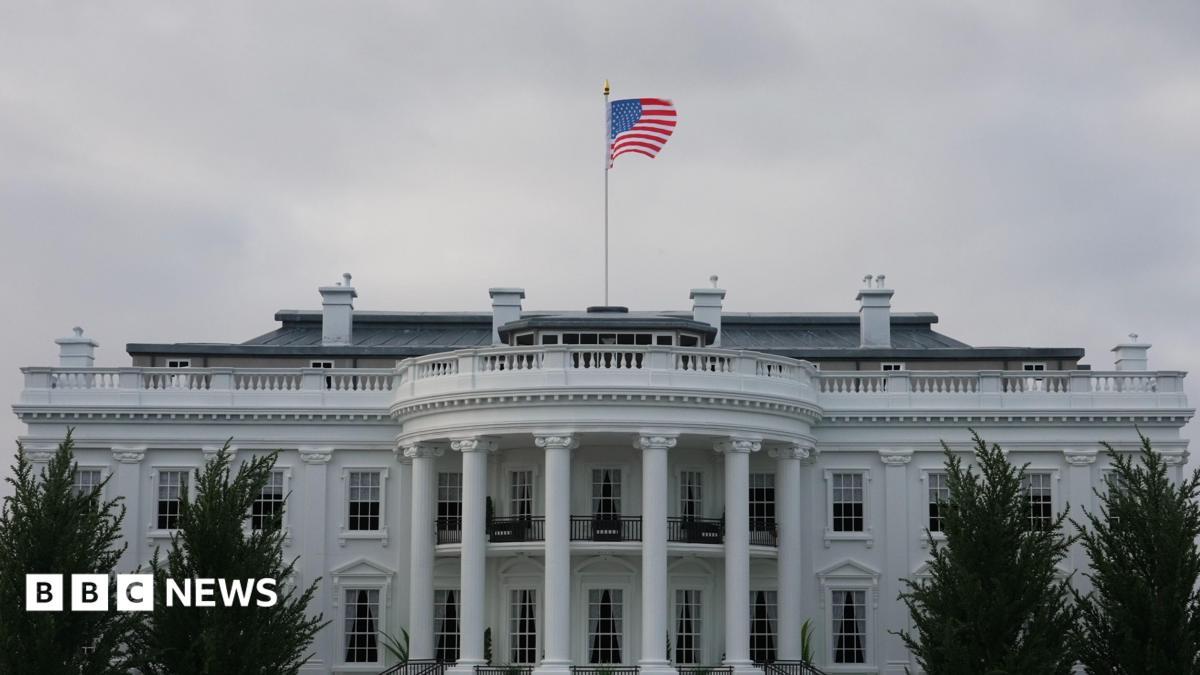
The White House Office of Management and Budget ordered agencies to prepare mass firing plans. Mass firings will target federal programs without legal funding or not aligned with presidential priorities.
18 outlets told this the same way.
Outlets did split on Trump Interrupted by Protesters at San Antonio Rally for Ken Paxton →
Government Shutdown Job Plans
The White House, under the Trump administration, has issued a directive to federal agencies to prepare for potential mass firings in the event of a government shutdown. This move marks a significant departure from previous shutdown protocols, where non-essential employees were typically furloughed temporarily and later rehired.
“This approach could lead to large-scale job losses rather than temporary furloughs, potentially harming economic growth.”
The Office of Management and Budget (OMB) has instructed agencies to identify programs with discretionary funding that will lapse on October 1 and to draft plans for permanent job eliminations in areas not aligned with the administration's priorities. This approach could lead to large-scale job losses, potentially harming economic growth and causing significant disruption to government operations.
Political Response to Funding Directive
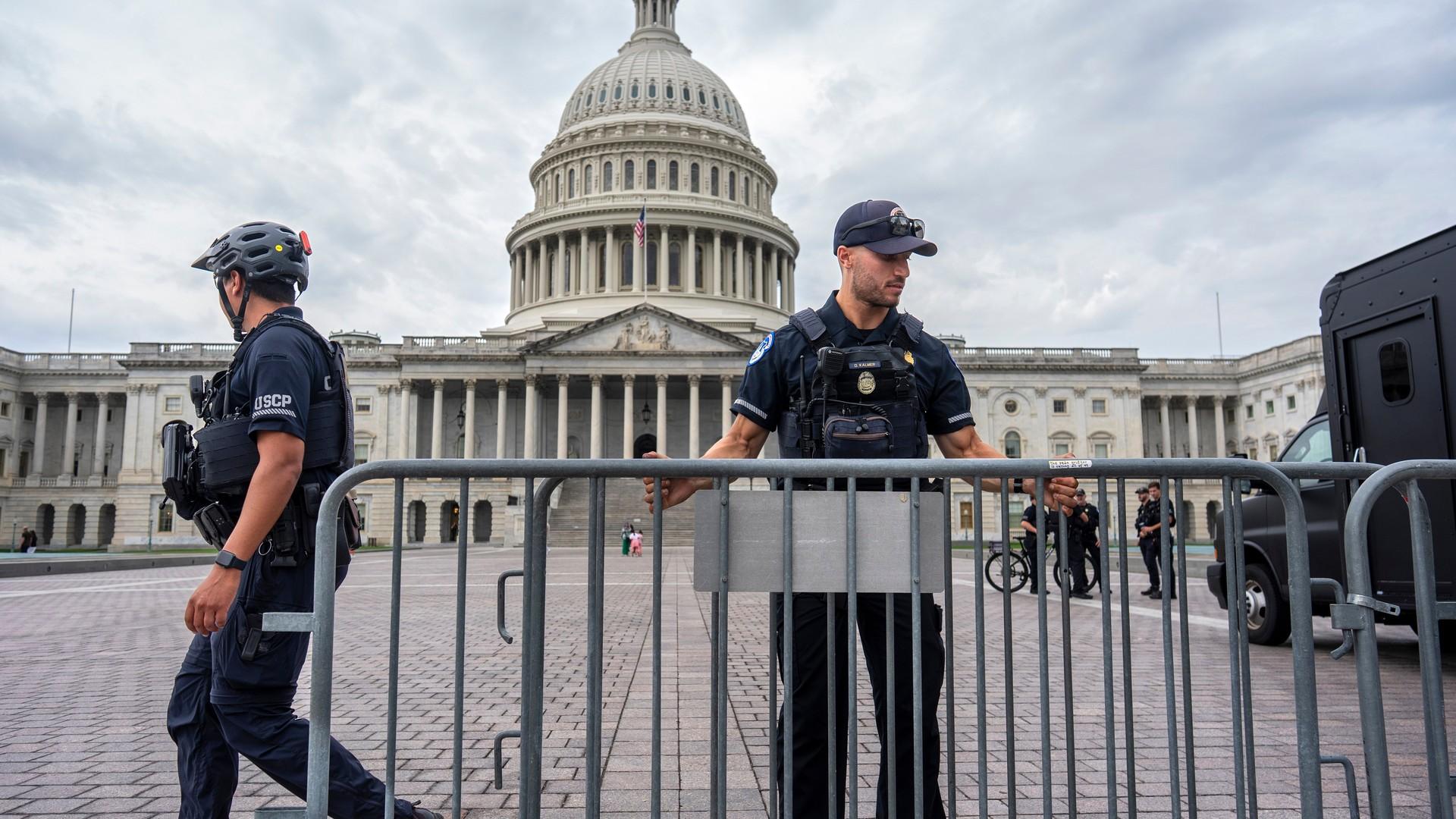
The directive has intensified political tensions, with Democratic leaders condemning the move as a tactic of intimidation by the Trump administration. Senate Minority Leader Chuck Schumer and House Minority Leader Hakeem Jeffries have criticized the OMB's approach, accusing it of using fear to pressure Democrats into accepting a stopgap funding bill.
The memo from the OMB has not been accompanied by detailed contingency plans, which deviates from previous practices of transparency during shutdown preparations. This lack of clarity has further fueled criticism from Democrats, who argue that the administration is prioritizing political maneuvering over effective governance.

Government Funding Dispute
The potential government shutdown stems from a deep political divide over spending priorities. The Trump administration is pushing for cuts to programs not aligned with its agenda, while Democrats are advocating for increased funding in areas such as healthcare and infrastructure.
“The memo aims to pressure Democrats to approve a stopgap funding bill.”
The Republican-controlled House has passed a short-term funding bill, but it has been blocked by the Senate, which demands the inclusion of Democratic priorities like healthcare funding. This impasse has left federal agencies in a state of uncertainty as they prepare for the possibility of a shutdown and the resulting layoffs.
Government Shutdown Risks
As the September 30 deadline approaches, the possibility of a government shutdown looms large, with significant implications for federal employees and public services. The potential layoffs could lead to reduced consumer spending and delays in essential government services, such as tax processing.
The uncertainty surrounding the shutdown has also lowered employee morale, as federal workers face the prospect of losing their jobs permanently. Bipartisan negotiations and the possible use of a continuing resolution are seen as key strategies to prevent the shutdown and its fallout.
