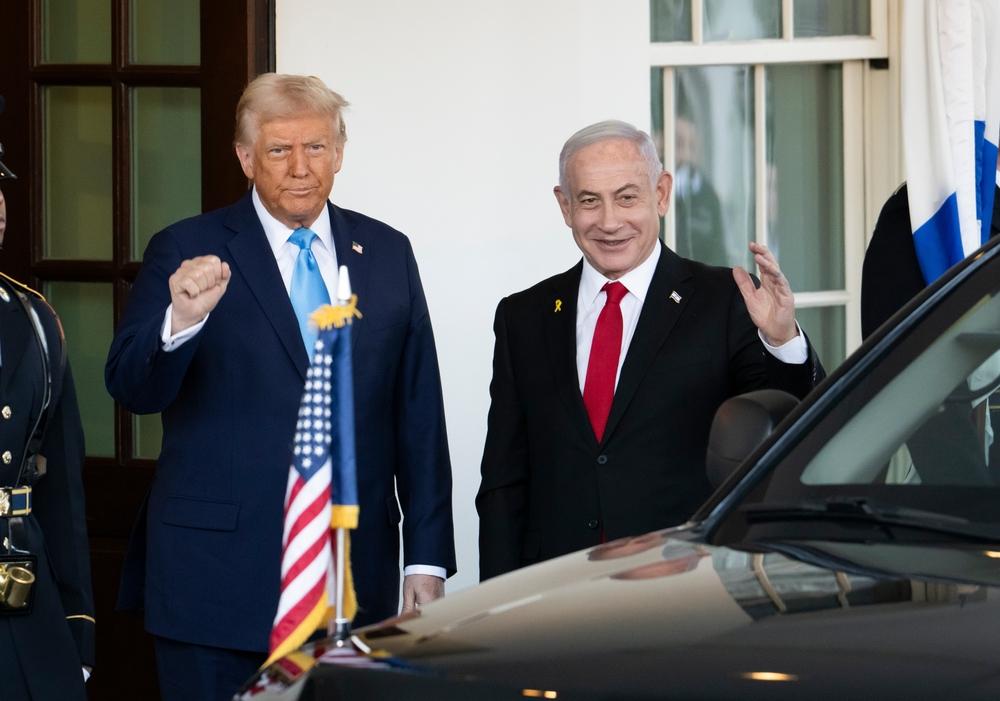
Why Trump also relies on Beijing's help: the contradictory signals of the American leader
Key Takeaways
- Trump has long issued contradictory statements and 'alternative facts'.
- In wartime, these contradictions cause confusion and alarm among capitals asked to send military aid.
- The piece links his approach to seeking Beijing's help, creating contradictory signals to allies.
Messaging chaos and moral critique
Donald Trump’s contradictory statements and ‘alternative facts’ are presented as a feature that now sows confusion and alarm among capitals, including those the White House has asked to send naval units to defend navigation in the Strait of Hormuz against Iran.
“The ease with which Donald Trump has, for years, made contradictory statements, playing with 'alternative facts'—statements that made heads shake in the chancelleries of half the world and elicited reactions first of surprise, then of sarcasm—now, in times of war, becomes a source of confusion and alarm for many capitals: those of the countries to which the American president has asked to send military units to defend navigation in the Strait of Hormuz against Iran”
A few days earlier he derided Britain's offer to send two aircraft carriers and claimed to have destroyed 100% of Iran's military capability, highlighting the White House’s focus on domestic media impact over coherent strategy.
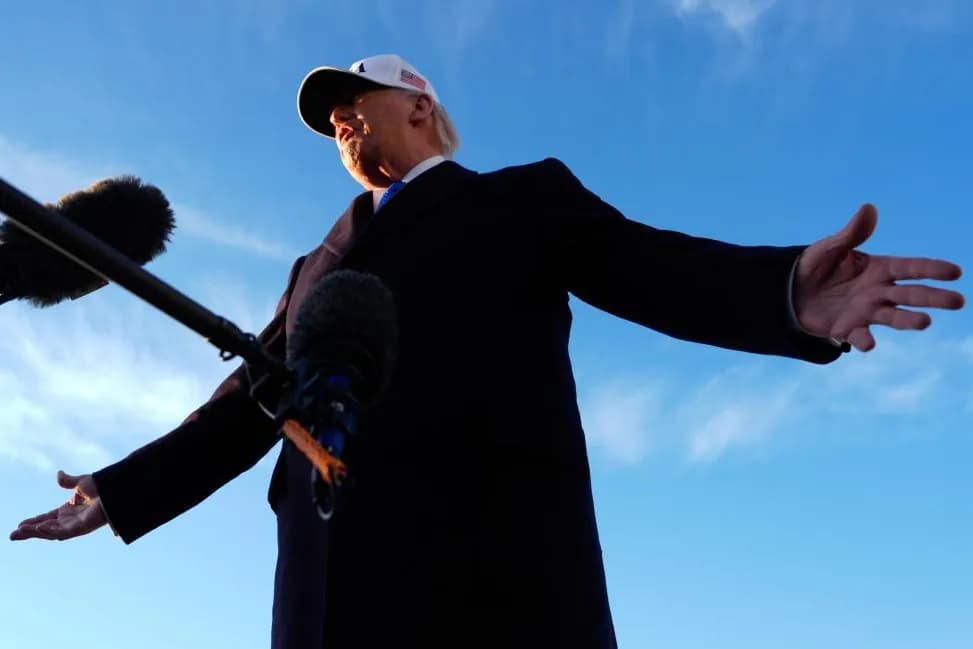
The article argues that the administration treats the war as a spectacle, a trend described as gamification of conflict that has drawn criticism from Chicago's Cardinal Cupich, who called it repugnant and a profound moral failure.
Networks such as CNN are noted for widely disseminating these messages, which the advisers have praised even when their aim is to stigmatize them, suggesting the spectacle serves to project strength while the battlefield remains uncertain.
Strategically, the piece says the president appears to be acting blindly: calling for deployments while warning of a quick surrender by Tehran, and signaling a campaign that would involve China, Japan, South Korea, Britain, France and others, even as he concedes Iran’s Pasdaran could still strike with drones, small boats and mines.
Strategic signals and China
On the strategic front, the article emphasizes that the call to five countries —China, Japan, South Korea, Britain and France, as well as other 'willing'— to deploy ships to the Gulf region is a political signal that may not materialize into immediate action.
Moving destroyers and cruisers from the Far East would take weeks, and it remains unclear what such forces would do given that Trump concedes Iran's Pasdaran could still attack with drones, small boats and mines.
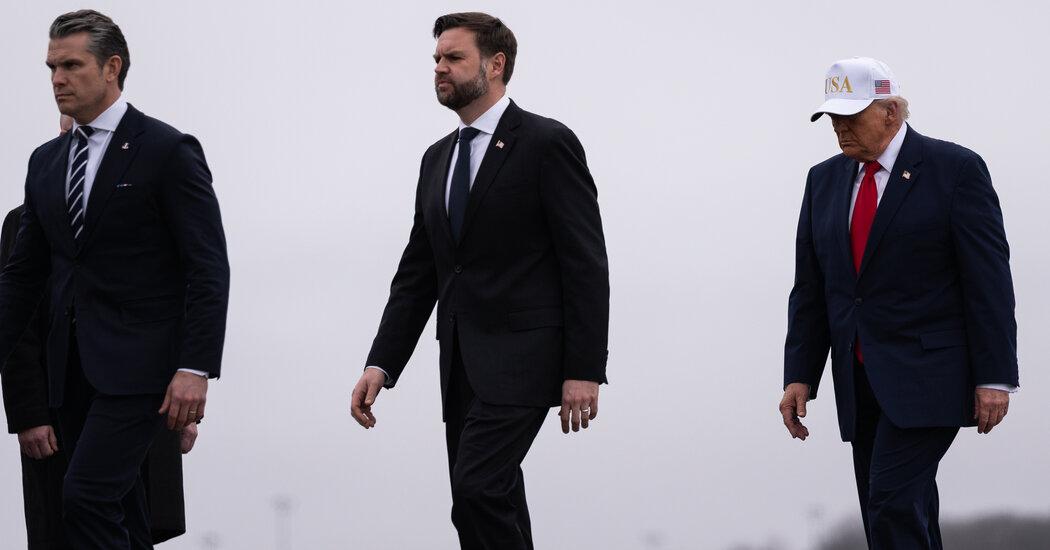
The piece frames the signal as an attempt to involve Beijing in a 'policing the seas' action, noting that Beijing, which continues to receive Iranian oil, will likely respond negatively.
It also describes the White House as gradually adopting a long-war perspective, with warnings from the Pentagon’s generals ignored by the president.
Long-war policy and actions
An additional measure signals a long-war orientation: an executive order signed Friday night by Trump expands the Defense Production Act to allow militarizing civilian industries in time of war.
“undefined undefined Subscribe to The Economist Unlock unlimited access to all our award-winning journalism, subscriber-only podcasts and newsletters Subscribe to The Economist Unlock unlimited access to all our award-winning journalism, subscriber-only podcasts and newsletters Subscribe Finance & economics | Steaming ahead How Iran is making a mint from Donald Trump’s war China is helping the Revolutionary Guards profit from Iranian crude Share”
Axios reports the objective is to reactivate production of offshore oil platforms off the coast of California, a plan that entails long timelines and appears more like a political maneuver than a substantive response to an energy emergency, including a dispute with California's Democratic governor Gavin Newsom.
The article frames these moves as a risky blend of spectacle and policy, noting that the White House’s gamified messaging risks eroding credibility with allies and obscuring a coherent strategy, while the effort to involve China and rely on uncertain energy fixes could widen the crisis rather than resolve it.
Energy impact and geopolitical risk
Even if reactivated quickly, the offshore wells could produce between 45,000 and 55,000 barrels of oil per day (with the possibility of reaching 60,000 by 2030), barely 0.05% of what is missing each day in the markets — 20 million barrels of crude — due to the closure of Hormuz.
The article frames these moves as a risky blend of spectacle and policy, noting that the White House’s gamified messaging risks eroding credibility with allies and obscuring a coherent strategy, while the effort to involve China and rely on uncertain energy fixes could widen the crisis rather than resolve it.
More on USA

Trump Signs Executive Order Expanding Access to TrumpIRA.gov Retirement Accounts
10 sources compared
U.S. Supreme Court Strikes Down Louisiana Congressional Map In Louisiana V. Callais
20 sources compared
Zelensky Says JD Vance Praising Halted U.S. Aid Helps Russia
10 sources compared
Trump Administration Says Ceasefire Pauses War Powers Clock on Iran War
13 sources compared