USA · 30 April, 2026 · 7 min read
Zelensky Says JD Vance Praising Halted U.S. Aid Helps Russia
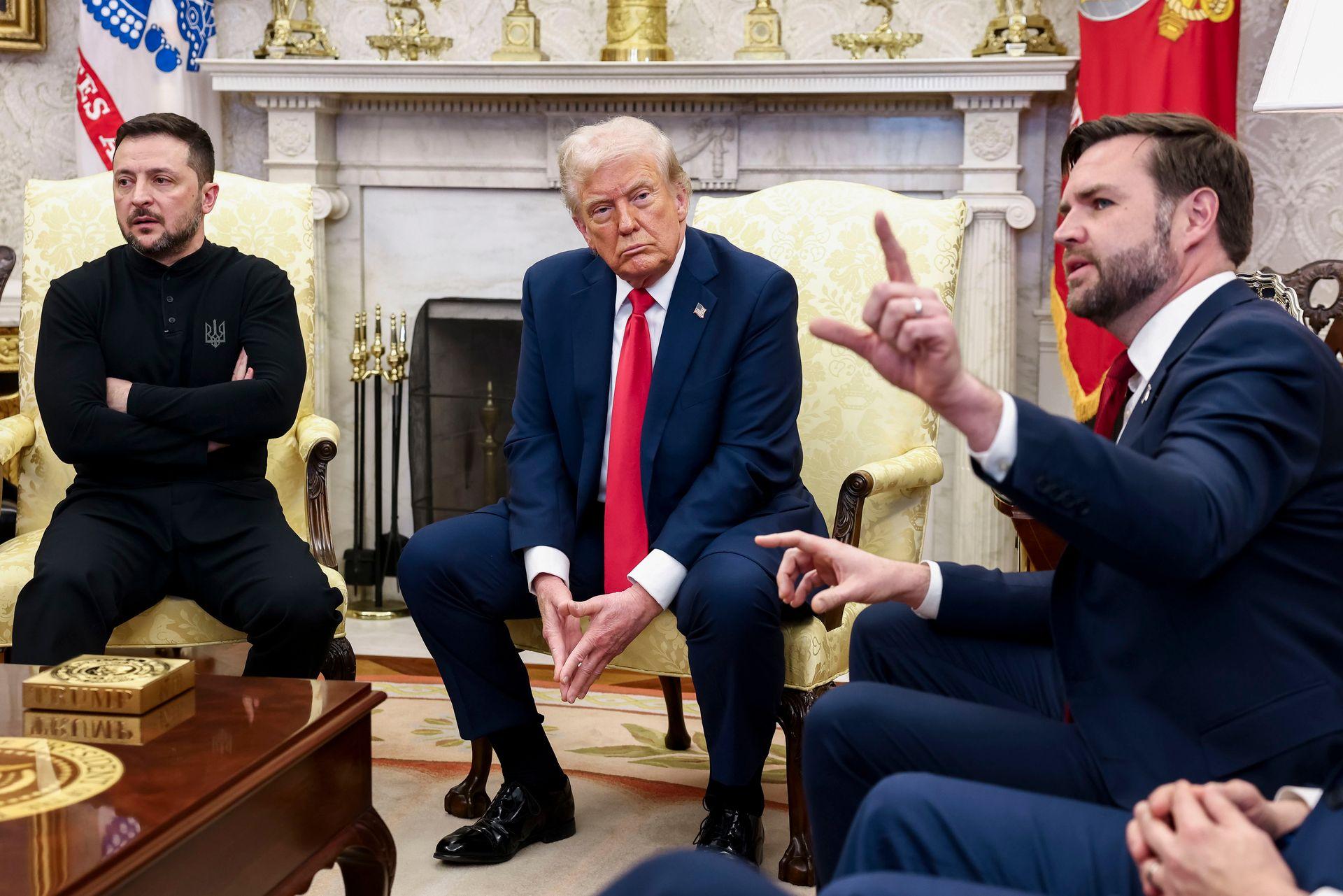
President Zelensky criticized Vance for praising halted U.S. aid to Ukraine, saying it benefits Russia. Vance defended halting direct U.S. weapons transfers to Kyiv.
How the Alaska summit (Putin-Trump) is portrayed in terms of diplomatic outcome.
9 of 10 outlets skipped it: amnesty urges Trump to demand the unconditional return of all abducted Ukrainian children and to raise torture/enforced disappearance issues with Russia at the Putin meeting..
10outlets compared
Same story, two versions
tap a side to read it in full
The Kyiv Independent
“If JD Vance is proud that he's not helping us, it means that he is helping Russians, and I'm not sure that it's strengthening the United States.”Read the original ↗
The Kyiv Independent
“President Trump has an extraordinary national security team… who are all working together to end the war between Russia and Ukraine.”Read the original ↗
The same policy shift is framed as either direct help to Russia (Zelensky’s view) or a coherent strategy focused on ending the war (White House position).
Vance, Zelensky, and Aid
Ukrainian President Volodymyr Zelensky criticized U.S. Vice President JD Vance for praising the halt of American military aid to Ukraine, saying the stance benefits Russia and weakens the United States, in comments to Newsmax published on April 29.
“President Volodymyr Zelensky criticized U.S. Vice President JD Vance for praising the halt of American military aid to Ukraine”
Zelensky’s remarks followed Vance’s public defense of the Trump administration’s decision to stop direct U.S. weapons transfers to Kyiv, a policy shift that has drawn criticism and underscored divisions in Washington over support for Ukraine.
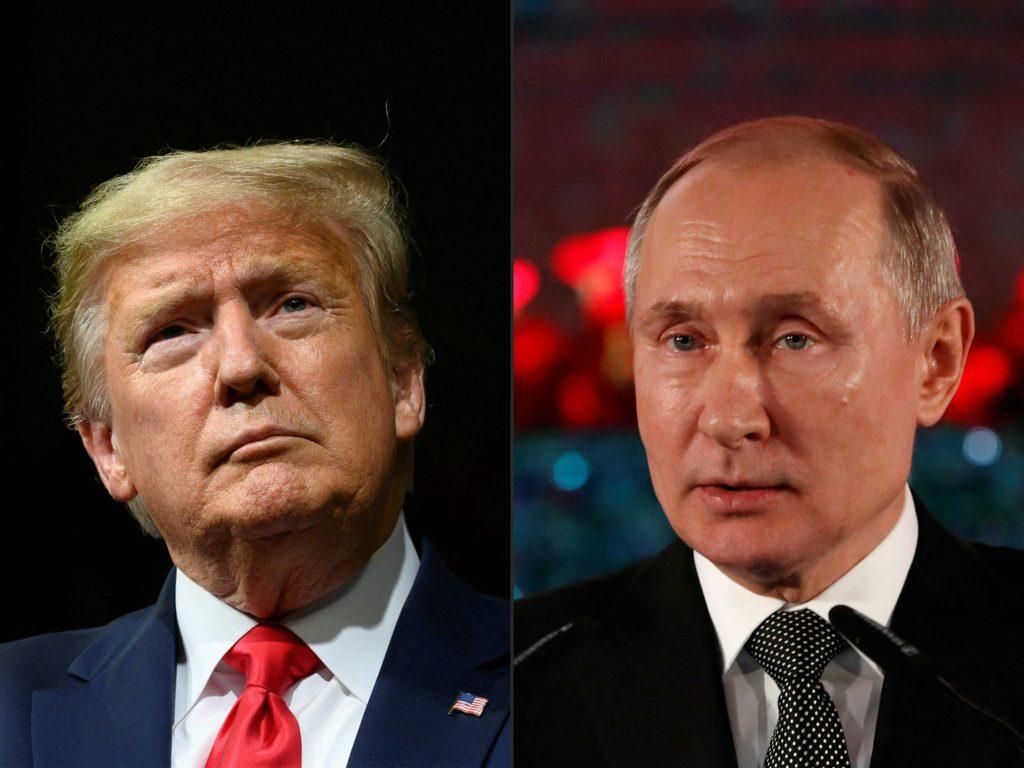
In April, Vance said, "It's one of the things I'm proudest… we've told Europe that if you want to buy weapons, you can, but the U.S. is not buying weapons and sending them to Ukraine anymore," according to the Kyiv Independent.
Zelensky pushed back, arguing that reducing support to Ukraine ultimately strengthens Moscow’s position, saying, "If JD Vance is proud that he's not helping us, it means that he is helping Russians, and I'm not sure that it's strengthening the United States," and adding, "Russia is the enemy. They will always be enemies with the United States."
The exchange comes amid a broader shift in U.S. policy under President Donald Trump, who has halted most new military aid to Ukraine and urged Europe to take on a greater share of support.
The Kyiv Independent also reported that European countries provided the majority of military assistance to Ukraine in 2025, including funding for Patriot air defense interceptors and other U.S.-made systems.
The White House defended Vance’s role in foreign policy, with spokesperson Olivia Wales saying, "President Trump has an extraordinary national security team… who are all working together to end the war between Russia and Ukraine," and that, "The Vice President has always been a trusted voice on all foreign policy topics… (Vance) is an invaluable member of the president's exceptional team."
Press Freedom and Rankings
The U.S. role in Ukraine-related politics also surfaced in reporting about press freedom, where the United States was described as dropping in the 2026 World Press Freedom Index.
Euromaidan Press said, "The US drops to 64th," while also reporting that Ukraine "has risen to 55th place out of 180 countries in the 2026 World Press Freedom Index."
The article attributed the index’s movement to five indicators, saying the index scores countries across "political, economic, social, cultural, and security."
It quoted RSF’s Ukraine project lead Pauline Mauffret saying, "Ukraine's media space is very resilient. Journalists here still investigate what is happening in the country, challenge the authorities — and this leads to greater transparency," and described the situation as still "problematic."
Euromaidan Press also said RSF called on Kyiv to "wind down the unified TV telethon" and to "tighten the media law on ownership transparency," while naming Kherson and Sumy oblasts as places where "some members of the military do not let reporters through without explanations linked to security," in Mauffret’s words.
The same report tied the safety indicator to "daily Russian strikes across Ukrainian territory" and said Russia holds 26 Ukrainian journalists, adding, "Of the 48 journalists currently held in Russian prisons, 26 are Ukrainian."
In a separate Ars Technica piece, RSF’s index was framed as showing global deterioration, quoting that, "over half of the world’s countries now fall into the ‘difficult’ or ‘very serious’ categories for press freedom," and adding, "In 25 years, the average score of all 180 countries and territories surveyed in the Index has never been so low."
Charles III and Congress
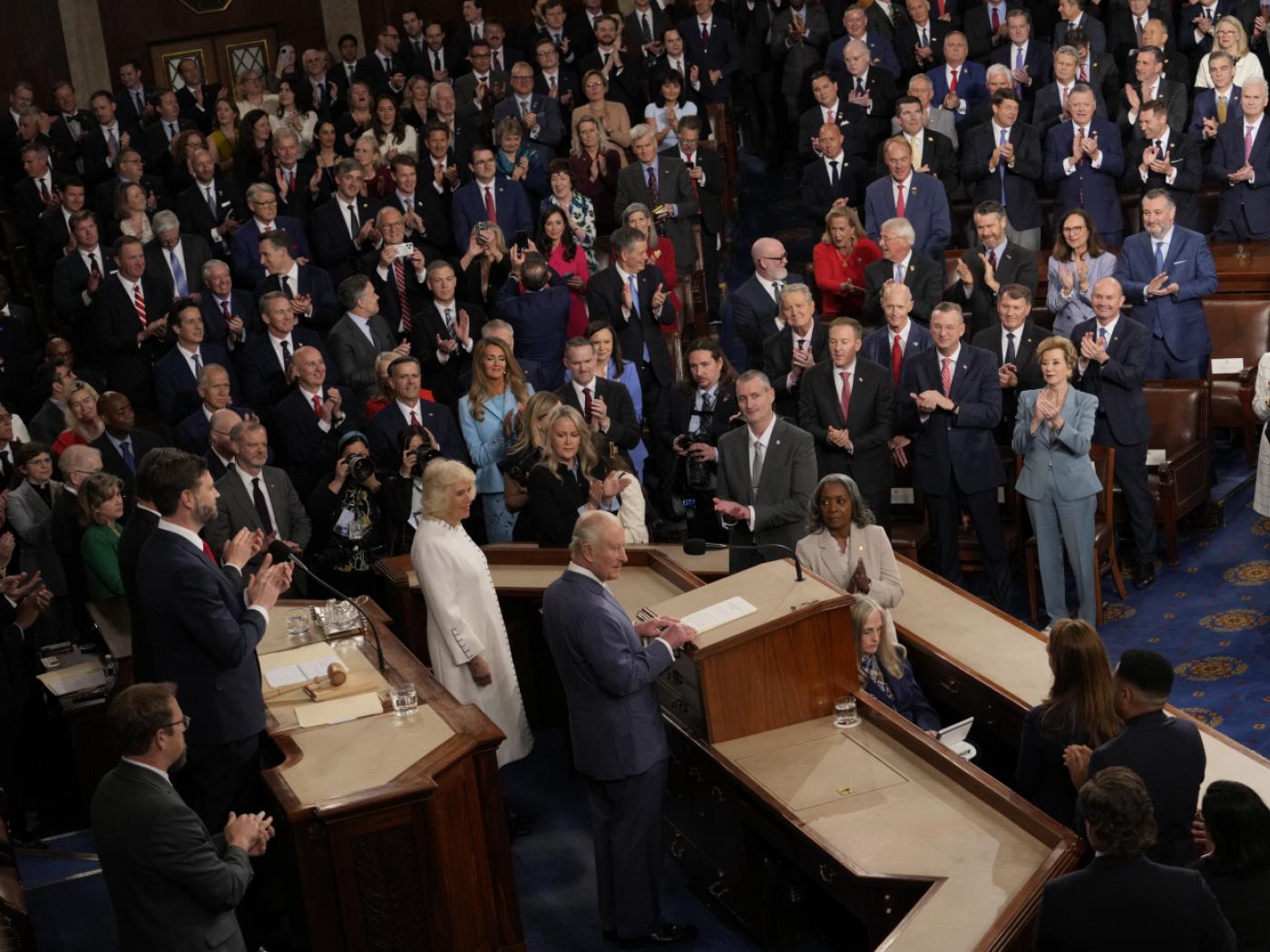
In a separate thread of U.S.-allied relations, La Liberté reported that Charles III delivered a rare address before the U.S. Congress urging the United States to remain faithful to its Western allies amid tensions over the wars in Iran and Ukraine.
“Charles III on Tuesday urged the United States to remain faithful to its Western allies”
The article said the British sovereign spoke Tuesday and urged the two countries to defend shared values and resist calls to retreat "ever further into themselves."
It described the alliance as something that "cannot rest on past achievements," and noted that the king was welcomed in the morning by Donald Trump at the White House in a rare display of pomp.
La Liberté quoted Charles III saying, "The challenges we face are too great for a nation to confront them alone," and reported that the speech included a veiled critique of the American president delivered from the hemicycle’s podium, with Vice President JD Vance and highest American officials present but with Donald Trump absent.
The report said Democratic lawmakers particularly applauded the passage of the speech mentioning the balance of powers, seen there as a reference to Donald Trump.
It also said the king called on MPs and senators to show an "unflinching determination" to defend Ukraine, as Europeans lamented a disengagement of Washington in its support for Kiev against Russia.
The same article described Trump’s welcome remarks, including "What a beautiful British day," and said Trump joked, "Since we gained our independence, centuries ago, Americans have had no closer friends than the British," while adding that the two countries maintained a "special relationship and we hope it will always be so."
Amnesty on Trump-Putin
Amnesty International framed the U.S. presidency’s role in Ukraine negotiations through a human-rights and accountability lens, urging President Trump to demand justice and an end to rights violations in connection with a meeting with Vladimir Putin.
The Amnesty International article said it was on the eve of the August 15, 2025 meeting between the U.S. president, Donald Trump, and the Russian president, Vladimir Putin, at the Elmendorf-Richard Joint Base in Anchorage, Alaska.
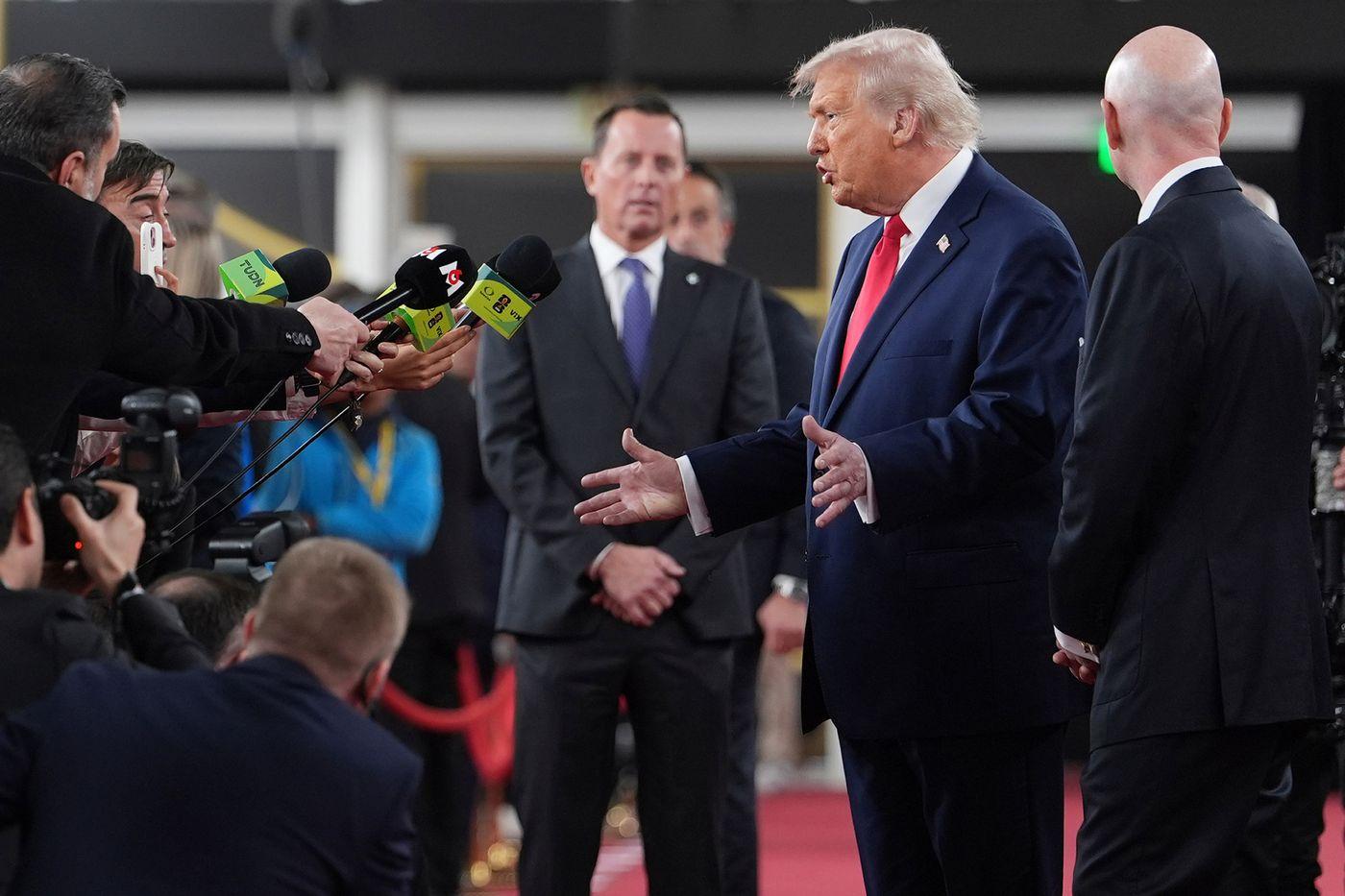
Amnesty International’s director for Eastern Europe and Central Asia, Marie Struthers, urged Trump, as host of the meeting, to place human rights and justice issues at the forefront.
The statement said, "We urge President Trump, as host of the meeting, to place human rights and justice issues at the forefront," and argued that Trump had a "real opportunity to do something for the victims and the survivor population."
Amnesty International said the only way to end the war in a just and lasting manner is to defend human rights and ensure accountability for international crimes committed in Ukraine since the start of the Russian intervention in 2014.
It also called for Trump to demand the unconditional return of all children abducted in Ukraine during the war, stating, "demand the unconditional return of all children abducted in Ukraine during the war."
The organization also urged Trump to raise torture and other ill-treatment, enforced disappearances, and unlawful trials of Ukrainian prisoners of war in Russia, and to ensure that seriously injured or ill prisoners of war are repatriated or transferred to third countries.
Declassified Bush-Putin Talks
RTVE.es reported that the White House declassified three meetings between George W. Bush and Vladimir Putin, showing detailed discussions that included NATO expansion and Russia’s sense of exclusion.
“The White House has declassified, for the first time, the transcripts of three meetings between George W. Bush and Vladimir Putin in the first decade of the century.”
The article said the White House has declassified, for the first time, the transcripts of three meetings between George W. Bush and Vladimir Putin in the first decade of the century, after the National Security Archive (NSA), a non-governmental organization affiliated with George Washington University, requested and obtained the declassification.
It described how the documents show the closeness of the Russian president to the American in 2001, when they shared their views on the fight against Islamist terrorism, and it said that by the end of Bush’s term, Putin had expressed criticism of U.S. actions such as the invasion of Iraq and NATO expansion.
In the June 2001 Brdo Castle meeting in Slovenia, the article quoted Putin saying, "We feel excluded from NATO," and argued that if Russia is not part of it, it makes sense that it would feel excluded.
It also quoted Putin’s view that NATO expansion would be a problem, saying, "The reality is that NATO is expanding and they won't let us say anything about it."
The same report included Bush’s response that NATO expansion could stabilize the region west of Russia against fundamentalism, quoting, "if you are concerned about problems on your southern border, you should welcome NATO’s expansion, which could immediately stabilize the region west of your country against fundamentalism."
The declassified material also included Putin’s later argument that Ukraine’s accession to NATO would create a battlefield, with Putin saying, "Ukraine’s accession to NATO would, in the long run, create a battlefield for you and for us, a long-term confrontation."