
Why Trump can’t explain the start — or the endgame — of the war in Iran
Key Takeaways
- Ten days into the war, Trump lacks a consistent rationale for initiating it
- Trump's tactic of sowing confusion to postpone reckonings is beginning to fail
- Trump and top aides send conflicting signals: hinting at peace while warning of ongoing fighting
Trump's mixed messaging
President Donald Trump has spent a lifetime talking himself out of tough spots, and ten days into the war with Iran he still hasn’t settled on a consistent rationale for why he went to war; he has hinted that peace might soon be at hand even while he and top aides simultaneously warn the fighting might get more intense and last longer.
“President Donald Trump has spent a lifetime talking himself out of tough spots”
This messaging disconnect goes beyond Trump’s flood-the-zone rhetoric and odd tendency to commentate on his own actions, and it reflects fast-escalating political and military pressures bearing down on a president who gambled his legacy on a war that has spawned a global energy and geopolitical crisis.
Tumbling stock markets and spiking oil prices have raised the possibility that a prolonged conflict could shatter the global economy, and days of Iranian retaliatory drone and missile strikes on Gulf states have stoked fears of a wider conflagration.
The political clock is now ticking faster inside the United States, where Trump and his allies fret reverberations will worsen the cost-of-living misery that threatens the GOP’s midterm election prospects.
Trump's stated justifications
At a Florida news conference, he argued — without evidence — that if he hadn’t launched the attack on Iran, the Islamic Republic would have taken over the entire Middle East, though CNN noted there is no evidence it was near that point and many analysts believe one reason the war erupted was that Iran was weaker than at any time in its almost 50-year history after being pummeled by Israel and squeezed by sanctions.
Trump also insisted, "We’re ahead of our timeline by a lot" and billed the war as an economic winner, saying, "We’re putting an end to all of this threat once and for all. And the result will be lower oil prices — oil and gas prices for American families."
He repeatedly spoke of the war in the past tense, as if he wished it were already over.
Operational realities
Trump’s rhetorical fog of war contrasts sharply with the methodical and relentless US and Israeli air campaign that is inflicting catastrophic damage on the Islamic Republic’s war machine, while Trump’s leadership evolves by the hour.
“President Donald Trump has spent a lifetime talking himself out of tough spots”
CNN reported the White House was mulling a complex and risky mission to retrieve Iran’s highly enriched uranium, and there are so far no independent battle damage reports to assess whether operational gains have sufficiently degraded Iran’s capacity to threaten its neighbors and US allies.
The administration may claim it degraded Iran’s missile, nuclear and drone programs and the military infrastructure of its regime, and a successful US special forces raid to pull out Iran’s enriched uranium would set back any attempt to reconstitute its nuclear program for many years; nevertheless, fundamental questions remain about whether this war sought regime change or only to eliminate the current threat.
Succession and risks
The assassination of Supreme Leader Ayatollah Ali Khamenei and the replacement of an aged leader with Mojtaba Khamenei looked like an attempt at regime change in action, but the choice of Mojtaba Khamenei sent a signal of defiance from the theocracy and the Islamic Revolutionary Guard Corps.
It remains unclear how Mojtaba Khamenei will consolidate power or what his medical condition is, and he was believed to have been injured in the strike that killed his father, mother and other relatives; Israel has hinted that it will try to kill him.
Karim Sadjadpour, an Iran expert at the Carnegie Endowment for International Peace, told CNN, "It is a regime that is dug in right now. They believe it is kill or be killed, and I think they will find a replacement for him."
The article notes history shows revolutions are often impossible to predict, and it warns that it seems just as likely the unintended result of the war will be more repression rather than a flowering of freedom.
Strategic dilemmas include whether the US will use force to try to open the Strait of Hormuz and whether the survival of the regime will lead to an almost permanent state of simmering warfare that requires regular escalations, with Seth Jones, a former senior US adviser in the Afghan war, saying, "I just don’t think we are close to this being over," which may explain why Trump’s messaging remains confused because he might want it to be done but likely knows it isn’t.
More on Iran
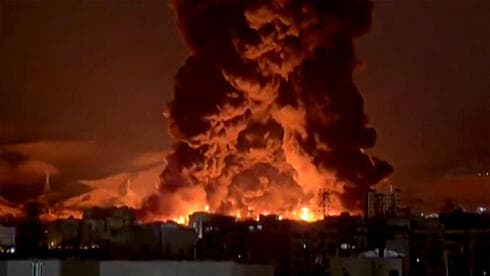
US obliterates military targets on Iran’s Kharg Island, Trump warns
13 sources compared
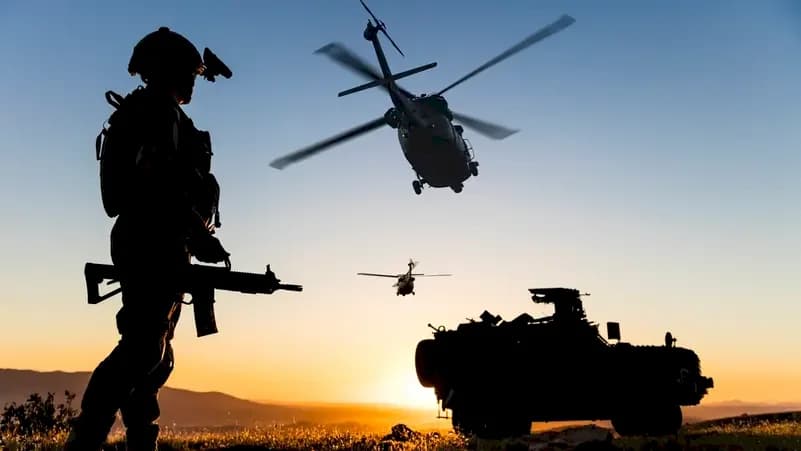
US Deploys About 2,500 Marines to Middle East After Iran Attacks Gulf Shipping
33 sources compared
FBI Warns of Iranian Drone Plot Based on Unverified Tip; California Says No Credible Threat
10 sources compared

White House Demands ABC Retract Report Claiming Iran Sought To Launch Drone Attacks On California
11 sources compared