Business08 February, 20262 min read
Will Lewis Resigns After Overseeing Layoffs That Cut One-Third of Washington Post Staff
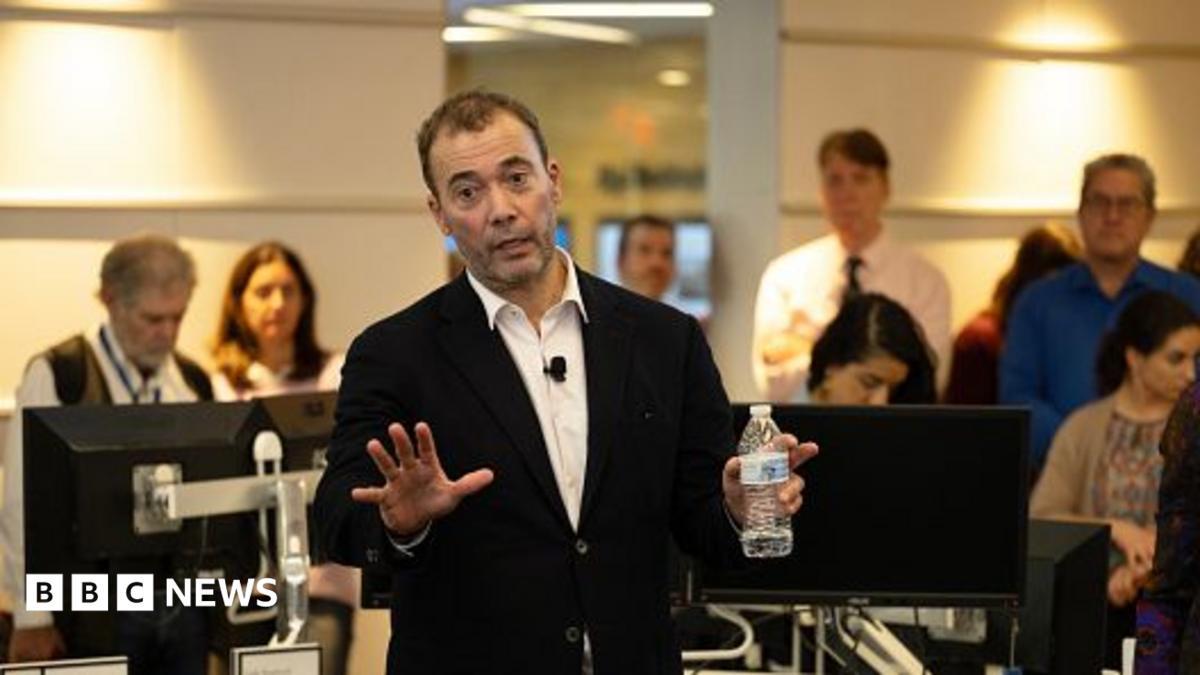
Will Lewis resigned as publisher and chief executive of The Washington Post. He resigned days after the newspaper cut about one-third of its staff in mass layoffs.

39 outlets told this the same way.
Outlets did split on CATL Starts Trial Production at Debrecen Battery Cell Plant in Hungary →
Washington Post leadership shakeup
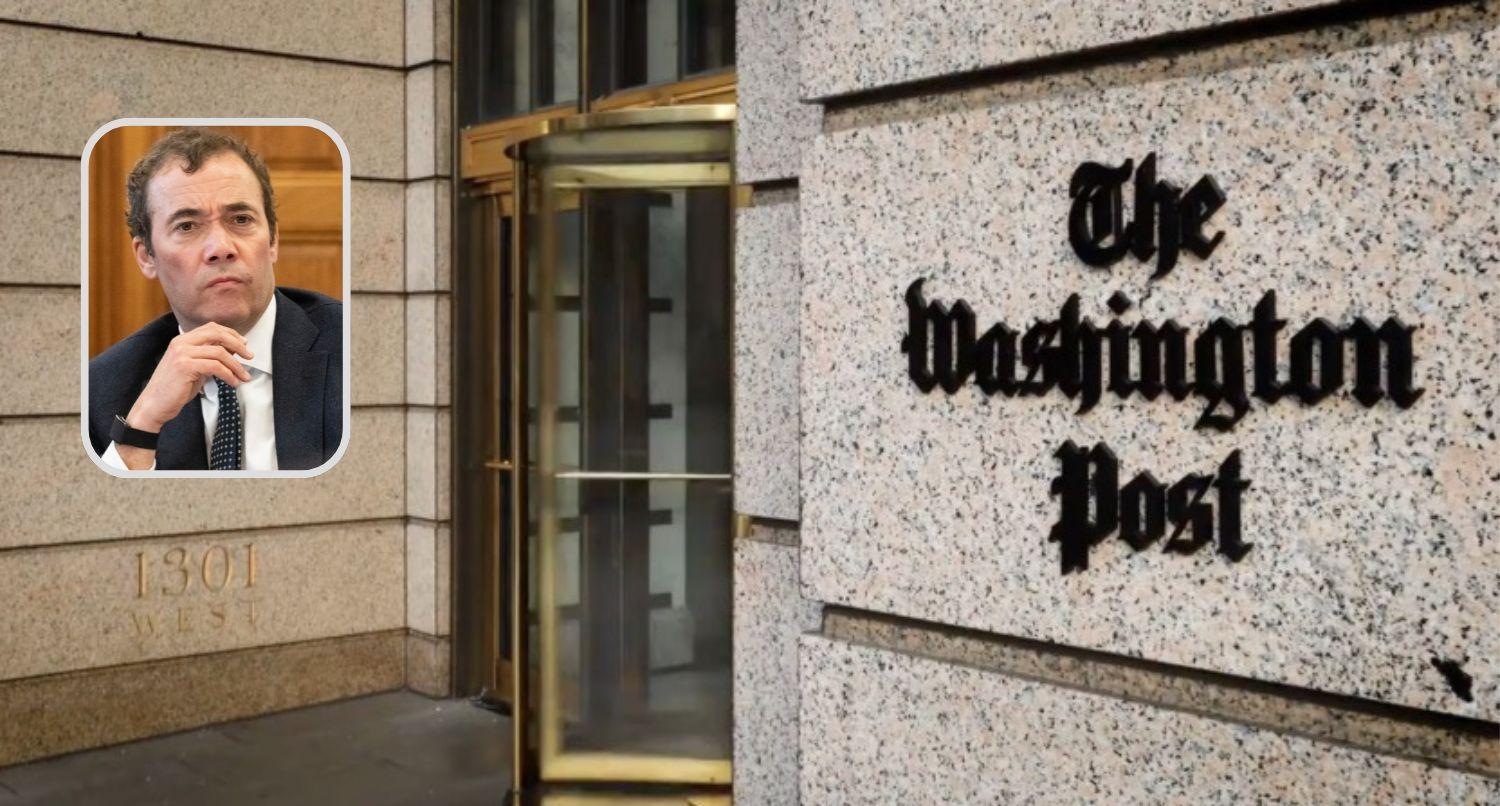
Will Lewis, the publisher and CEO of The Washington Post, resigned effective Feb. 7, days after the paper carried out one of its largest newsroom restructurings that cut roughly one-third of staff.
“Will Lewis, publisher and CEO of The Washington Post, is stepping down, three days after the paper announced layoffs affecting about one-third of its staff.”
Several outlets reported that Chief Financial Officer Jeff D'Onofrio will serve as acting publisher and CEO.

News organizations framed Lewis's exit as the culmination of a turbulent two-year tenure during which the paper pursued deep cost cuts aimed at shoring up finances while shrinking major parts of its newsroom.
Newsroom layoffs overview
Reports across outlets detail the scale and specifics of the cuts. Roughly 300 to more than 300 journalists — about one-third of the newsroom — were laid off. Entire units were shuttered or sharply reduced, including the sports desk, the photography staff, and the Middle East team.
There were also reductions to metro and overseas coverage. Coverage noted the Post did not disclose exact totals but cited reporting that placed losses near 300 journalists. Reports described the shuttering of long-standing sections and bureaus.

Reactions to Lewis's exit
Reaction to Lewis's departure split along institutional and rhetorical lines. Unions and former editors were sharply critical, calling the cuts among the 'darkest days' and Lewis's exit 'long overdue'.
“The Washington Post Guild called Lewis’s exit ‘long overdue’ and urged owner Jeff Bezos to rescind the layoffs or sell the paper; Bezos, who did not mention Lewis, praised the new leadership and said the paper faces an ‘exciting and thriving next chapter.’”
Owner Jeff Bezos and interim leadership framed the change as an opportunity to refocus and use data to guide priorities. Multiple outlets reported the Washington Post Guild and former editor Martin Baron publicly condemned the move and urged Bezos to rescind the layoffs or sell the paper, even as Bezos praised the new leadership.
Controversies in Lewis tenure
Coverage examined Lewis's tenure and the controversies preceding his exit. Reports indicated a failed reorganization that led to top-editor departures. A hire was withdrawn amid ethical concerns.
A change in editorial posture preceded heavy subscriber losses. Several outlets cited earlier decisions, such as pulling a planned 2024 endorsement, that correlated with subscriber declines and major 2024 revenue losses. Outlets also recounted internal turmoil and earlier staff departures under Lewis's leadership.
Leadership and strategy reset
Outlets noted Jeff D'Onofrio's immediate stewardship and signaled strategy changes. D'Onofrio, who joined as CFO in June, has a background in digital media and said the paper will rely more on customer data to guide where it concentrates resources. Coverage emphasized divergent prescriptions from different groups.
“Jeff D’Onofrio has been named acting publisher and CEO of The Washington Post, effective immediately, following the departure of Will Lewis. The move, announced on X on Feb. 7, comes as the paper implemented large layoffs that affected roughly one-third of staff—particularly in sports and international desks—part of efforts to restore financial stability after more than $177 million in losses over the past two years.”
Unions and some commentators demanded Bezos invest or sell. The new interim leadership framed the change as a data-driven reset amid broader industry headwinds in advertising and subscriptions.