USA26 January, 20263 min read
Winter Storm Fern Kills at Least 29, Leaves Millions Without Power Across U.S.
Storm caused at least seven deaths across multiple U.S. states Power outages cut electricity to over 800,000 homes and businesses
20 outlets told this the same way.
Outlets did split on Trump Interrupted by Protesters at San Antonio Rally for Ken Paxton →
Winter Storm Fern coverage
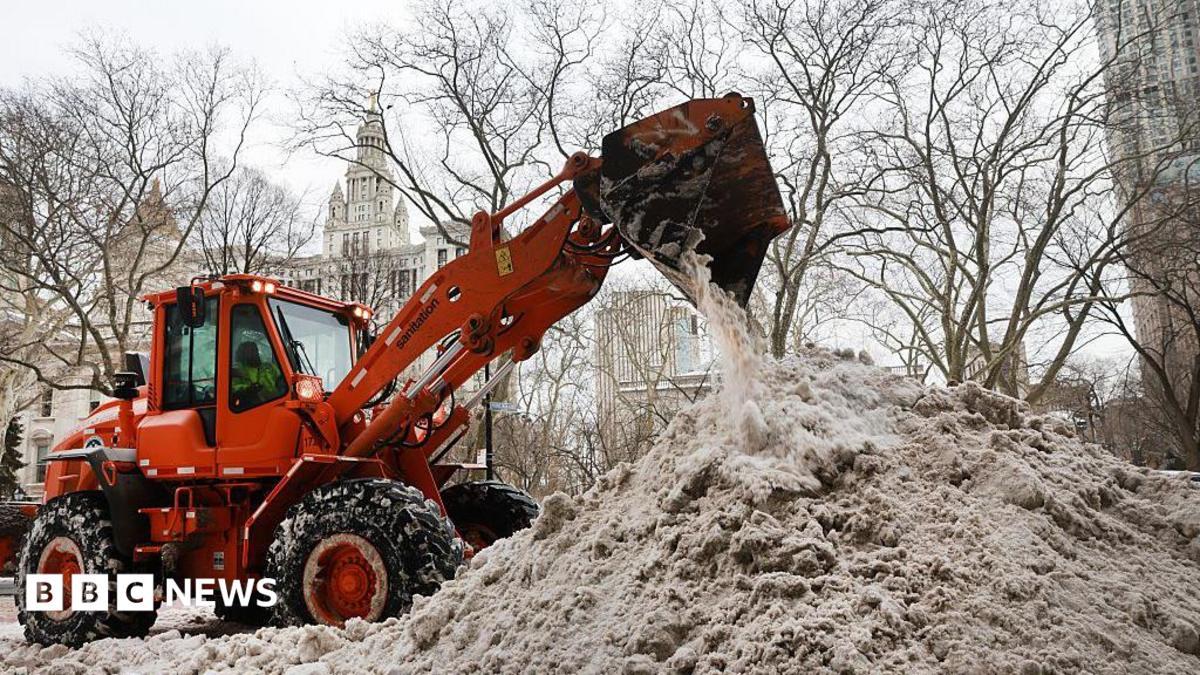
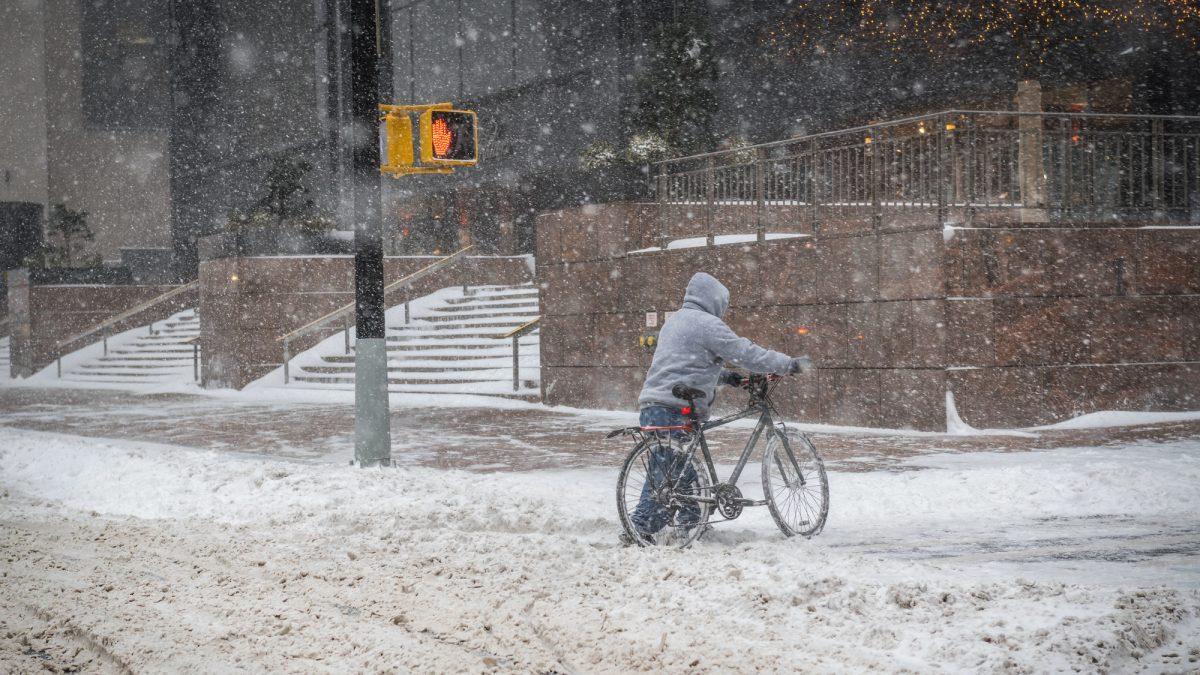
Winter Storm Fern swept from the Gulf Coast into New England, killing dozens and leaving millions without power across the United States. Reporting on casualties varied across outlets. Time Magazine reported the storm produced widespread travel disruption, power outages and at least 29 deaths.
The Daily Mail said Winter Storm Fern killed at least 25 people across 11 states. NBC News initially reported at least nine deaths, with later confirmations raising the count to 13.
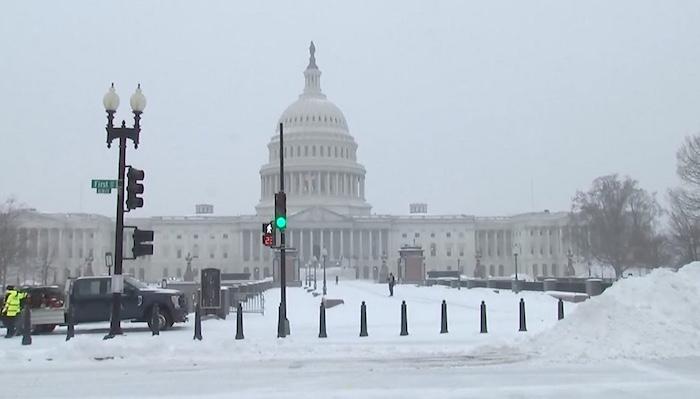
Some other outlets reported lower but still deadly tallies; for example, MyJoyOnline noted at least 11 deaths. These differing totals reflect how counts evolved as local authorities investigated and confirmed causes of death.
Storm power outages summary
The storm caused massive, geographically concentrated power outages, with southern states repeatedly named among the hardest hit. Weather reported that power outages exceeded one million customers across multiple states. MyJoyOnline provided a regional breakdown noting the losses were concentrated in the South, totaling more than one million affected customers.
It listed about 330,000 outages in Tennessee (Davidson County ~204,500), roughly 160,000 in Mississippi, about 135,000 in Louisiana, and around 90,000 in Texas. The Financial Express and The Guardian published slightly lower but still large peak figures—more than 811,000 and more than 900,000 U.S. customers without power, respectively—highlighting differences in timing and measurement used by outlets and utilities. Utility crews warned restorations could take days to weeks in heavily iced areas.
Flight disruption reporting differences
Travel and transportation systems were extensively disrupted, but outlets differ on the scale.
“FlightAware reported 1,842 delays and many cancellations, with Northeastern hubs hardest hit — Boston Logan (507 cancellations, 48 delays), JFK (443 cancellations, 54 delays) and LaGuardia (428 cancellations, 50 delays).”
Time Magazine (Western mainstream) reported more than 16,000 flights were canceled from Saturday through Monday.
MyJoyOnline (African) reported airlines have canceled more than 17,000 flights since the disruption began.
Straight Arrow News (other) reported a cumulative range of several thousand up to roughly 17,000–18,000 cancellations.
Shorter-window snapshots, such as the Daily Mail (Western tabloid), noted that as of 2:45 p.m. ET Monday FlightAware reported 4,816 cancellations and 5,124 delays.
NBC (Western mainstream) cited earlier totals from FlightAware of 1,842 delays and many cancellations, saying overall disruptions affected nearly 4,000 U.S. flights.
The wide spread reflects whether outlets reported single-day peaks, cumulative multi-day totals, or real-time snapshots.
News reports on storm deaths
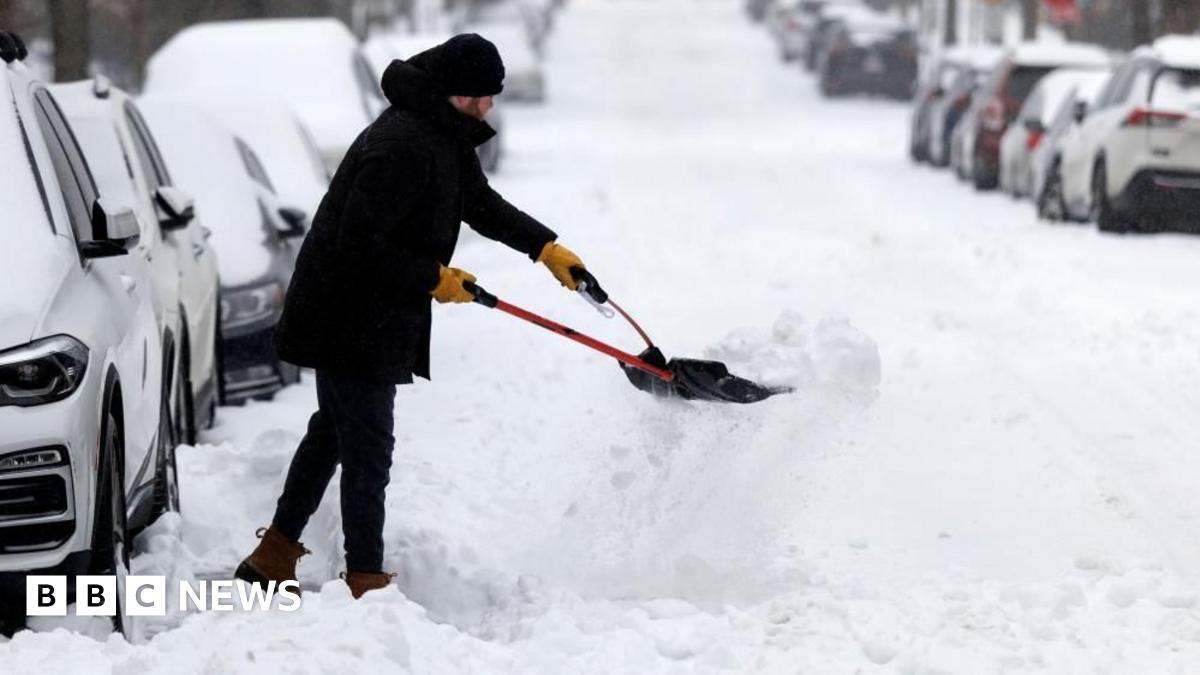
Reports emphasize different causes of fatalities and which populations were most vulnerable. NBC News (Western Mainstream) detailed varied causes, noting the confirmed toll included a 17‑year‑old in Arkansas who died in an ATV accident and three people aged 60–84 in Lehigh County, Pennsylvania who suffered medical emergencies while shoveling or cleaning up snow. Time Magazine (Western Mainstream) and dailysabah (Other) highlighted people found outdoors in New York City as temperatures plunged, with Time reporting at least eight people found dead outside and dailysabah reporting five people found outdoors.
Press TV (West Asian) flagged hypothermia and rural Southeast impacts, reporting at least seven deaths including rare hypothermia cases in the Southeast. These differences reflect both the range of storm-related causes—accidents, medical events, hypothermia—and editorial emphasis on homelessness, outdoor exposure, or accidental trauma.
Storm response and impacts
Officials mobilized emergency declarations, federal assistance and utility crews while analysts flagged short-term economic effects. Straight Arrow News and The Financial Express reported broad government responses, noting that FEMA had pre-positioned supplies and teams and that the president approved multiple federal emergency declarations to allow FEMA assistance. NBC News referenced likely economic impacts and cited Bank of America’s view that storms historically cause sharp, temporary drops in consumer spending and should be a temporary drag on growth.
Weather and FOX Weather warned of prolonged icing, outages and dangerous cold that could slow restoration and deepen impacts for vulnerable communities. Outlets differed in emphasis: some focused on logistics and relief, others highlighted economic indicators and human impacts, and local or other outlets prioritized granular operational details like utility counts and school and transit closures.