USA24 February, 20262 min read
Winter Storm Hernando Loosens Grip After Pummeling Northeast, Shutting Travel and Dumping Record Snow
This article is an automated aggregation of coverage from news outlets. Our editorials offer in-depth analysis curated by the NewsCord team.
Providence recorded a new state snow record of about 32–33 inches More than 5,000 U.S. flights were canceled, paralyzing Northeast travel

11 outlets told this the same way.
Outlets did split on Trump Interrupted by Protesters at San Antonio Rally for Ken Paxton →
Northeast winter storm impacts
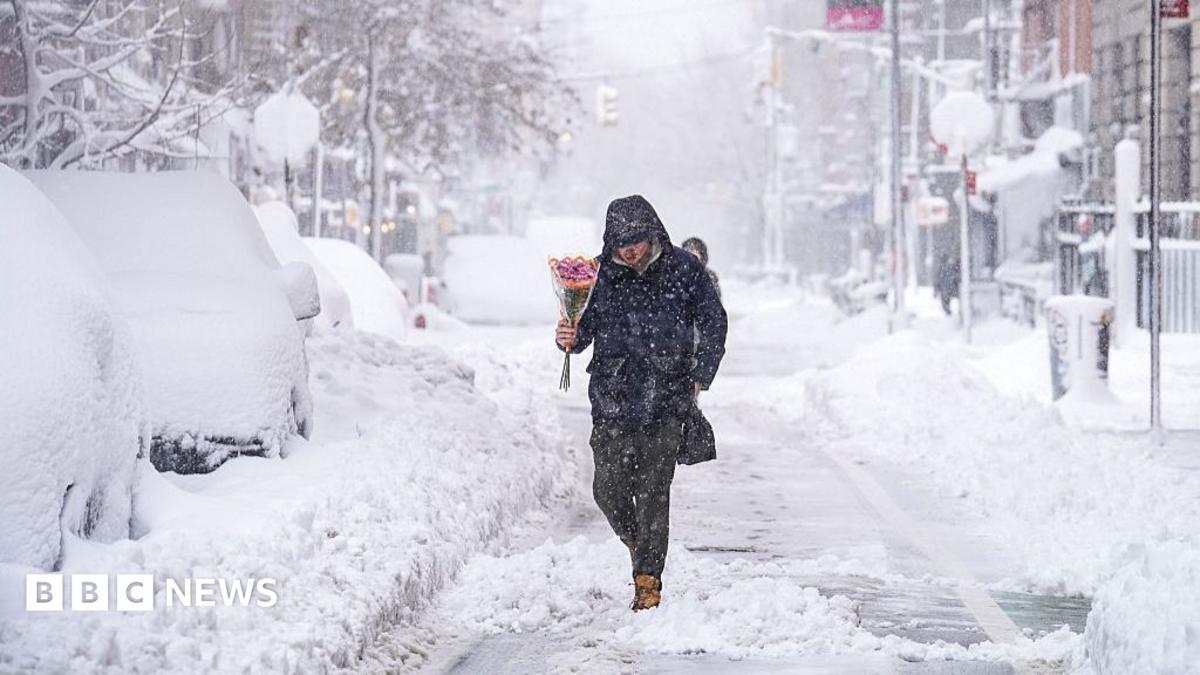
A powerful winter storm — described by some outlets as a 'bomb cyclone' nor'easter — pummeled the U.S. Northeast on Monday and then began to loosen its grip, even as emergency orders and travel bans remained in place across the region.
“A powerful ‘bomb cyclone’ nor’easter hammered the U.S. East Coast Monday, producing heavy, wet snow, hurricane‑force gusts and widespread disruptions from Maryland to Maine.”
Reports described heavy, wet snow, hurricane‑force gusts and widespread disruption from Maryland to Maine, with officials urging millions to stay home as blizzard warnings and state of emergency declarations were issued.

Coverage consistently noted that roads became dangerous and that large parts of the region shut down as the storm moved offshore and conditions slowly improved.
Northeast snowfall totals
New York’s Central Park recorded over 19 inches.
Providence, Rhode Island reported about 33 inches, a state record.

Rhode Island’s T.F. Green Airport logged roughly 32.8 inches.
Several areas in Rhode Island and Massachusetts saw two to three feet of snow.
Those amounts shattered previous records in some places and left thick, wet accumulations that made travel nearly impossible in many localities.
Transport disruptions and cancellations
Air travel and ground transport were severely disrupted. FlightAware and multiple outlets recorded thousands of cancellations. Major airports saw extremely high cancellation rates.
“Major airports were severely affected (FlightAware recorded ~5,675 cancellations): LaGuardia about 98% canceled, JFK 91%, Boston Logan 92...”
Some transit systems suspended or curtailed service. Flight totals differ across reports, but all sources convey the scale.
Airports including LaGuardia, JFK, Boston Logan, Newark and Philadelphia were hit hard. Some carriers suspended service for portions of the event.
Storm damage and outages
Widespread power outages and wind damage compounded the storm’s impacts. Outage trackers and outlets logged hundreds of thousands of customers without power. Winds gusted to hurricane force in coastal spots.
Falling trees and branches made roads hazardous. Sources report differing outage totals but all document major service interruptions and emergency responses.
Storm emergency responses
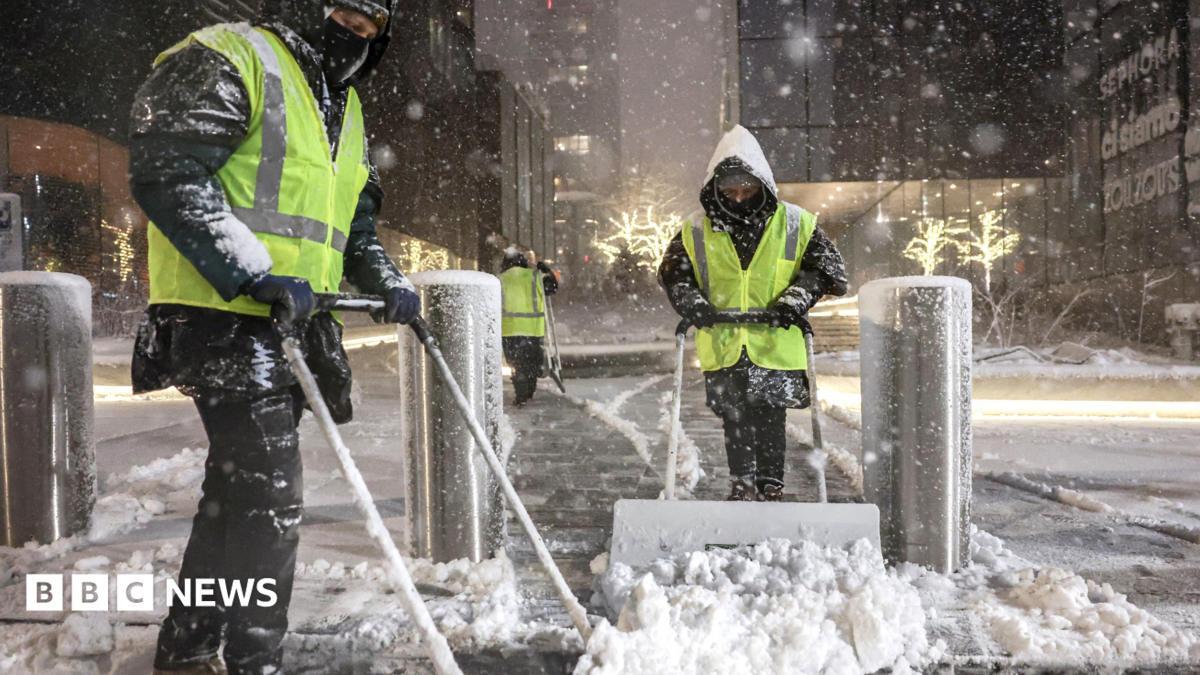
Officials and agencies responded with emergency measures, closures and targeted services. Municipalities opened warming centers, universities and schools closed or shifted to remote instruction, transit agencies suspended service, Broadway and cultural institutions shuttered, and the U.N. postponed a Security Council meeting.
“New York City has declared a Code Blue, opened warming buses/centers, and pre‑staged an early sanitation response (about 2,600 sanitation workers per shift, 2,000+ vehicles and 1,000 emergency shovelers).”
Local leaders imposed travel bans and limits, with Massachusetts reducing Pike speed limits and ordering nonessential driving bans in some areas. Airlines and transit providers adjusted schedules as conditions improved and the storm eased.