Techonology and Science20 February, 20262 min read
Wisconsin Assembly Passes Postpartum Medicaid Expansion After GOP Powerbroker Ends Holdout
This article is an automated aggregation of coverage from news outlets. Our editorials offer in-depth analysis curated by the NewsCord team.
Postpartum Medicaid coverage extended from 60 days to one year. A GOP powerbroker ended a holdout, enabling Republicans to advance the bills.
8 outlets told this the same way.
Wisconsin women's health coverage
The Wisconsin Assembly on Thursday overwhelmingly approved bipartisan measures expanding women's health coverage.
“Wisconsin’s Assembly overwhelmingly approved postpartum Medicaid expansion Thursday, voting 95–1 (Rep. Shae Sortwell opposed), sending the bills to Gov. Tony Evers’ desk; he is expected to sign them next week.”
Most notably, the package included a bill extending postpartum Medicaid from two months to a full year for low-income new mothers.
The bill passed the Assembly 95-1 and the bills were sent to Gov. Tony Evers' desk; he is expected to sign them next week.
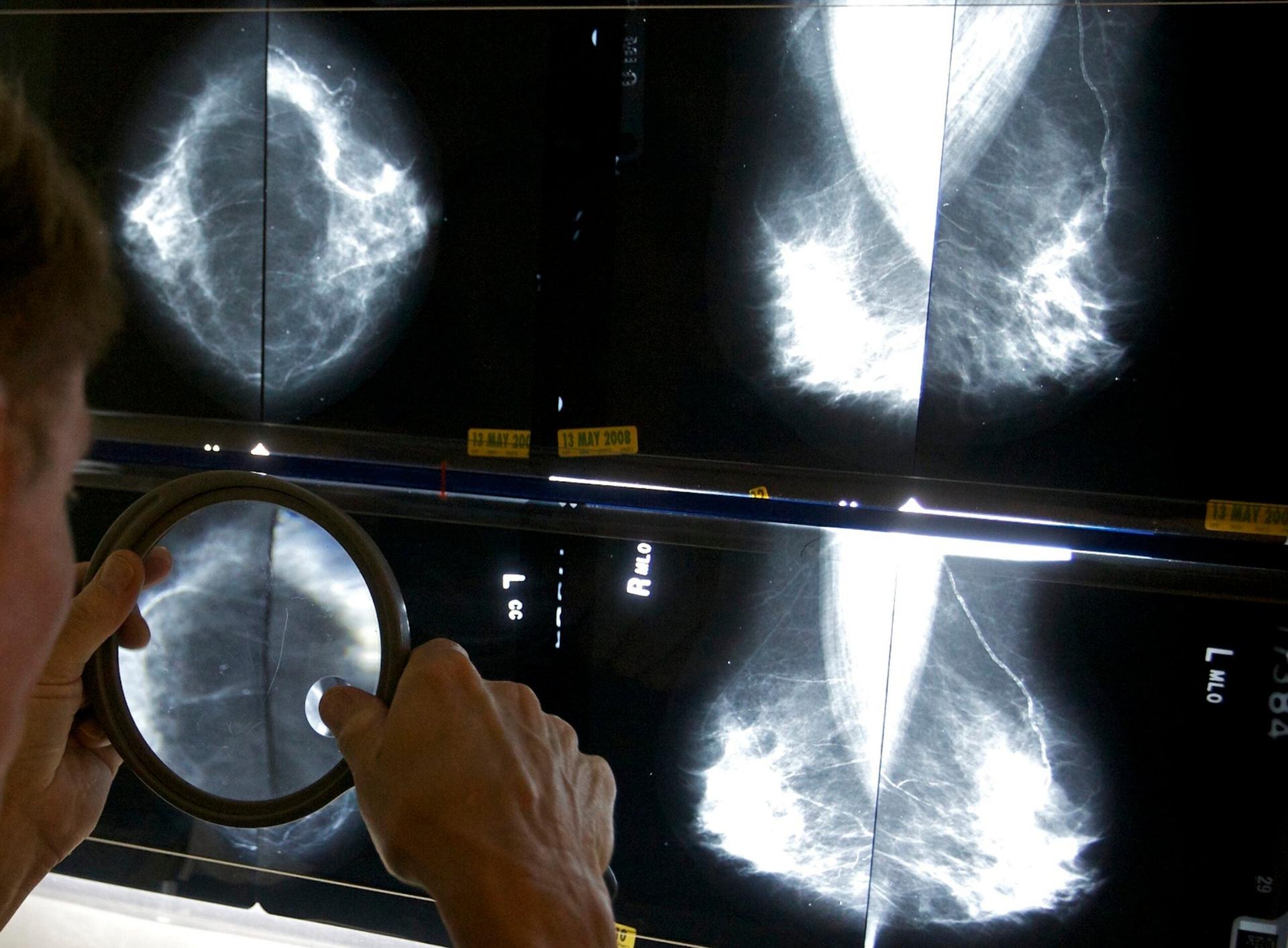
The package also included a separate unanimous measure requiring insurers to cover supplemental breast cancer screenings for women with dense breast tissue.
The linked votes broke a long legislative logjam after years of advocacy.
If signed, the Medicaid change would make Wisconsin the 49th state to expand postpartum Medicaid, leaving Arkansas as the only state yet to do so according to multiple reports.
Assembly vote and reactions
The passage followed a reluctant GOP shift after Assembly Speaker Robin Vos—who had long blocked or opposed the measure—relented. Several accounts say Vos voted in favor after announcing he will not seek re-election, ending his holdout. Outlets described his prior opposition as ideological resistance to expanding welfare programs.
Lawmakers on both sides characterized the votes as focused on constituents’ needs. Democratic and Republican members both emphasized the practical benefits for mothers and infants in floor remarks.
Assembly Republican dynamics
Republican dynamics inside the Assembly played a decisive role: the bill passed 95-1, with WMTV noting Rep. Shae Sortwell as the lone "no" vote.
“Wisconsin’s Assembly overwhelmingly approved postpartum Medicaid expansion Thursday, voting 95–1 (Rep. Shae Sortwell opposed)...”
ProPublica recounted that Rep. Pat/Patrick Snyder - the Republican lead sponsor - threatened not to seek reelection if he failed to deliver the measure, a threat that pressured leadership and would have left an open seat.
ProPublica and other outlets said Snyder and seven other GOP members from swing districts lobbied Vos, arguing the expansion fit conservative priorities like protecting infants by ensuring healthy mothers.
Floor debate included bipartisan appeals to voters' needs.
Advocacy role in coverage push
Advocates and health groups played a prominent reported role in the push. ProPublica says hospitals, medical groups and even anti-abortion advocates backed the effort and credits grassroots organizing, citing activist Kate Duffy, for sustained pressure.
WisPolitics and WPR emphasize years of advocacy, amendments and emotional floor speeches that followed repeated failed attempts to expand coverage. WMTV quoted lawmakers urging continued progress and emphasizing constituent needs.
Postpartum Medicaid expansion in Wisconsin
ProPublica cites the Legislative Fiscal Bureau’s estimate that the policy would cost the state about $9.4 million when fully phased in, with roughly $14.1 million paid by the federal government.
“Wisconsin’s Legislative Fiscal Bureau estimates the policy would cost the state about $9.4 million when fully phased in, with roughly $14.1 million paid by the federal government.”
Multiple outlets note that the bills were passed near the end of the legislative session amid other high‑profile negotiations.

WPR reported the Assembly also quietly approved a bill to legalize online sports betting during the same session.
If Gov. Evers signs the measures as expected, several sources say Wisconsin will become the 49th state to expand postpartum Medicaid.