
WMO Warns Earth's Climate in Record Imbalance
Key Takeaways
- 2015–2025 was the hottest 11-year period on record, with 2025 among the warmest years.
- Greenhouse gas concentrations are at record highs, driving continued warming of air and oceans.
- Climate is out of balance, with record ocean heat content and accelerating sea-level rise.
Climate Emergency Declared
The World Meteorological Organization's State of the Global Climate 2025 report reveals an unprecedented state of planetary emergency.
“UN weather agency warns of record ‘climate imbalance’ 2015-2025 were hottest 11 years on record, with extreme events causing widespread disruption, World Meteorological Organization says GENEVA According to WMO’s State of the Global Climate 2025 report, the period from 2015 to 2025 was the hottest 11-year period on record”
Earth's energy imbalance reached a new high in 2025, measuring the rate at which energy enters and leaves the Earth system.

This imbalance has been increasing since observations began in 1960, particularly accelerating in the past 20 years.
The disruption is attributed to heat-trapping greenhouse gases reaching their highest concentrations in at least 800,000 years.
UN Secretary-General Antonio Guterres declared that 'Planet Earth is being pushed beyond its limits. Every key climate indicator is flashing red.'
WMO Secretary-General Celeste Saulo emphasized that 'Human activities are increasingly disrupting the natural equilibrium and we will live with these consequences for hundreds and thousands of years.'
Record Heat and Extreme Weather
The report confirms that 2015 to 2025 represents the hottest 11-year period on record.
2025 ranked as the second or third warmest year globally, at approximately 1.43°C above pre-industrial levels.

This unprecedented warming trend has coincided with dramatic increases in extreme weather events.
The WMO documents intense heatwaves, heavy rainfall, tropical cyclones, storms, flooding, and droughts.
These events have resulted in thousands of deaths, affected millions of people, and caused billions in economic losses.
Celeste Saulo noted that 'On a day-to-day basis, our weather has become more extreme.'
Ocean Heat and Ice Loss
The world's oceans absorb more than 91% of the excess heat trapped in Earth's system.
““Climate in Emergency”: WMO Warns Earth Is at Its Most Imbalanced State in Recorded History New global report reveals record heat, accelerating ocean warming, and irreversible climate impacts lasting centuries”
Ocean heat content reached a new record high in 2025.
The rate of ocean warming has more than doubled from 1960-2005 to 2005-2025.
This warming drives accelerating sea-level rise, now 11cm higher than 1993 baseline levels.
Arctic sea ice reached lowest or second lowest extent on record in 2025.
Antarctic sea ice was third lowest on record.
Significant glacier mass loss occurred in Iceland and North America.
Greenhouse Gas Surge
Greenhouse gas concentrations have reached multi-million-year highs.
CO₂ levels in 2024 were the highest in 2 million years.
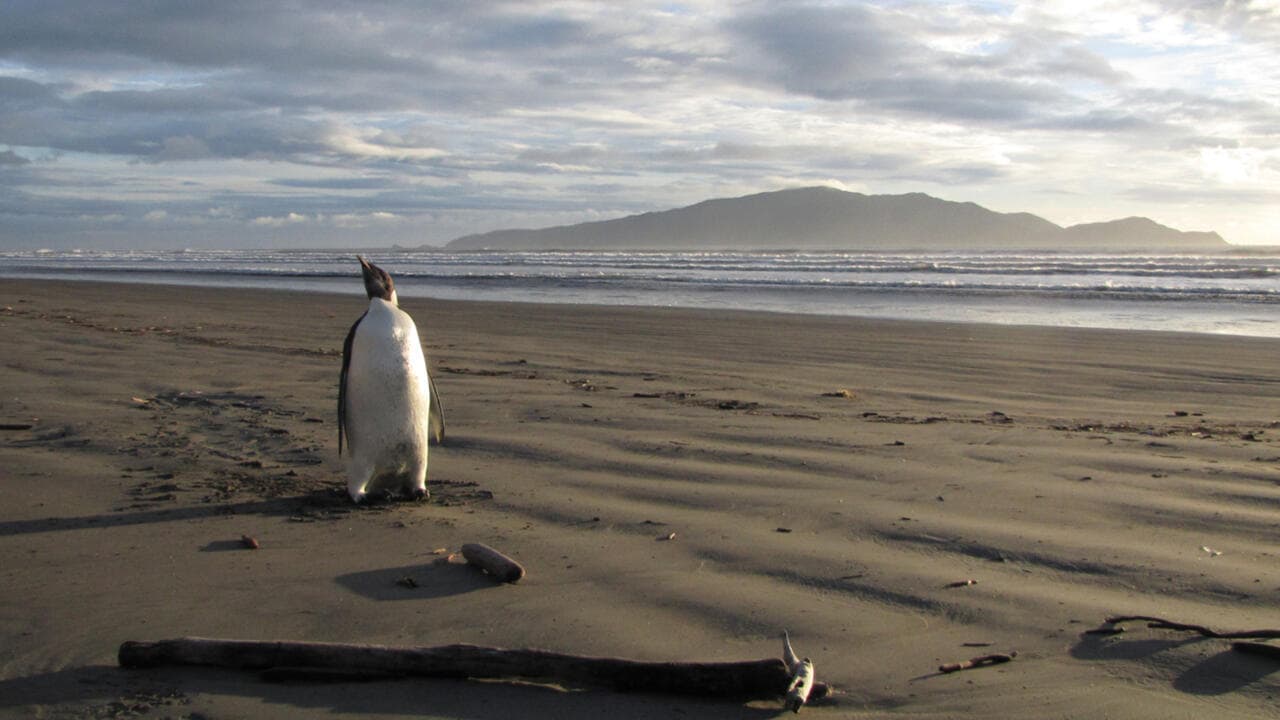
Methane and nitrous oxide reached levels not seen in 800,000 years.
The CO₂ increase was the largest annual rise since measurements began in 1957.
This surge is driven by fossil fuel emissions and weakening natural carbon sinks.
The ocean absorbs 29% of human CO₂ emissions, leading to acidification.
Scientists warn these changes are irreversible for centuries to millennia.
Health Crisis Impacts
The climate crisis is emerging as a global health emergency.
“"Every key indicator flashing red" warns UN's 2025 climate report The WMO's 2025 climate report confirms the hottest eleven years on record, record ocean heat content, accelerating sea-level rise, and greenhouse gas concentrations at their highest in 800,000 years”
Ocean warming and acidification threaten marine ecosystems and food security.

Nearly 90% of ocean surface experienced marine heatwaves in 2025.
Heat stress affects 1.2 billion workers globally, especially in agriculture and construction.
Dengue fever is now the world's fastest-growing mosquito-borne disease.
Half the global population is at risk from climate-related diseases.
Only about half of countries have heat early warning systems tailored to health needs.
Scientists need to integrate climate data with health systems for preventive responses.
More on Technology and Science

UN Says 2025 Heat Will Last Thousands of Years
11 sources compared

UN Warns 2025 Heat Record Will Endure for Thousands of Years
14 sources compared
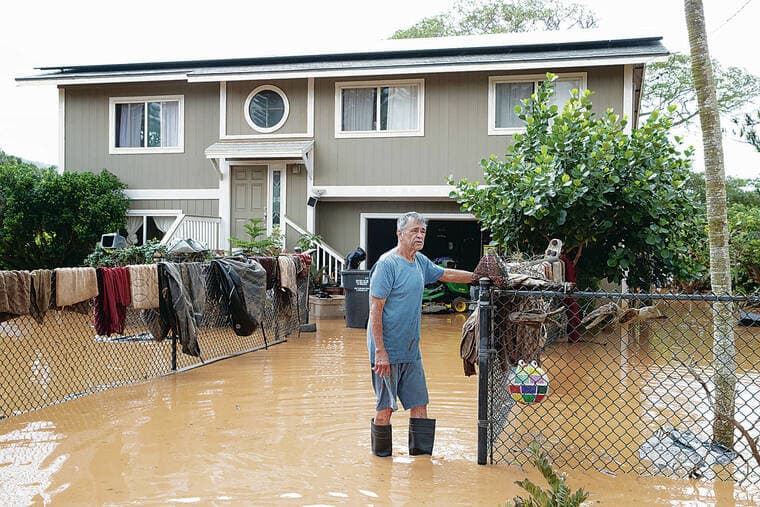
Hawaii Suffers Its Worst Floods in Over 20 Years, Prompting Thousands to Evacuate
46 sources compared

Kona Low Storms Strike Oʻahu and Maui, Hawaii Faces Worst Flooding in 20 Years
24 sources compared