Wolf Supermoon Dazzles Skywatchers Worldwide

Wolf Supermoon Dazzles Skywatchers Worldwide

03 January, 202622 sources compared
Other

Key Points from 22 News Sources

  1. 1

    January 3, 2026 marked the year's first supermoon, visible across India and worldwide

  2. 2

    Moon appeared about 30% brighter and roughly 14% larger at perigee near 362,000 km

  3. 3

    Event coincided with the Quadrantid meteor shower and produced widespread photos on social media

Full Analysis Summary

Wolf Supermoon sightings

Skywatchers around the world were treated to the Wolf Supermoon, the first supermoon of 2026, which rose on the nights of January 2–3.

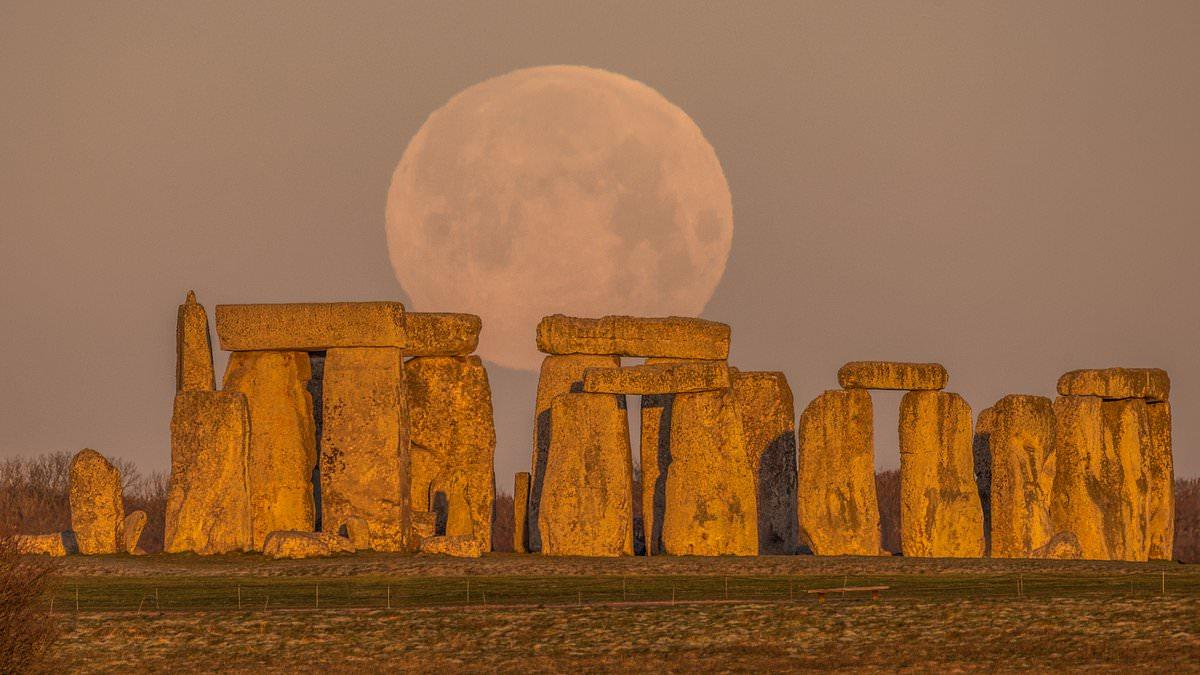
It produced striking views from India to the United Kingdom.
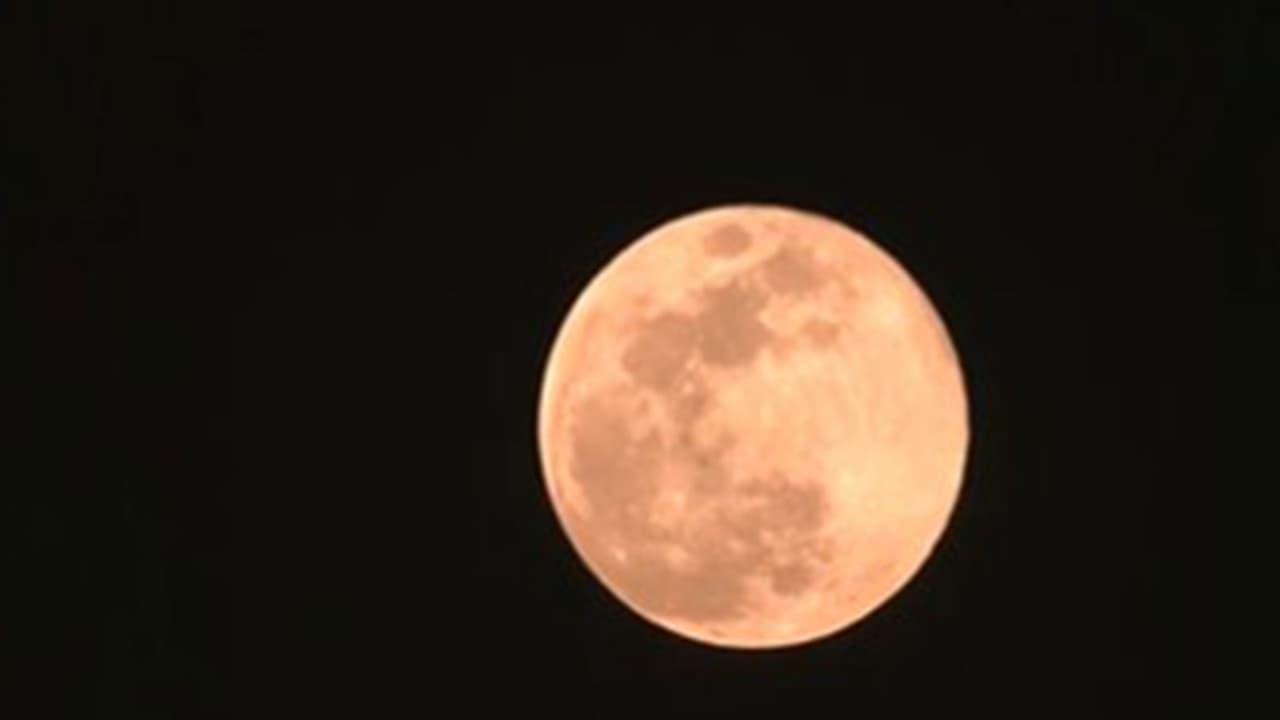
India Today reported that the Wolf Supermoon is the first of three supermoons in 2026 and rose on the evening of Jan. 2–3, noting vivid local scenes such as the Moon rising beside a Shiva idol in Ahmedabad.

Manchester Evening News highlighted the UK view and NASA's metrics, saying the Moon could appear up to 14% larger and 30% brighter than the year's faintest full Moon.

Regional outlets echoed the global reach, with Lokmattimes saying the Wolf Moon lit up skies across India as it rose soon after sunset, and Mathrubhumi noting it would be visible across India, the United States and much of the world on the night of January 3.

Coverage Differences

Tone and focus

Regional Asian outlets (India Today, lokmattimes, Mathrubhumi — all Asian) emphasize local scenes and public photos, while the UK-focused Manchester Evening News (Local Western) emphasizes timing and NASA’s comparative metric. Each source is reporting local angles rather than contradicting the phenomenon.

Supermoon size and brightness

Reports across outlets were consistent about the basic cause — a full moon near lunar perigee — but they varied slightly in the numbers and distances presented.

Several sources explained that a "supermoon" happens when a full Moon coincides with the Moon's closest approach to Earth (Mathrubhumi).

News18 said the event occurs at lunar perigee so the Moon appears about 14% larger and nearly 30% brighter than an average full moon.

Hindustan Times gave a precise perigee distance of about 362,641 km from Earth and summarized the visual change as appearing about 30% brighter and roughly 14% larger.

Bhaskar offered a slightly broader range, saying the Moon would appear roughly 6–14% larger and up to 30% brighter.

Coverage Differences

Numeric emphasis / precision

Asian outlets and local papers generally use the same comparative percentages (≈14% larger, ≈30% brighter) but differ in precision and phrasing: Mathrubhumi and News18 state the typical 14%/30% figures and explicitly mention perigee, Hindustan Times supplies a specific distance (“about 362,641 km”), while Bhaskar uses a wider size range (“roughly 6–14% larger”). These are reporting differences in emphasis and rounding rather than factual contradiction.

Regional moon viewing reports

Regional outlets reported local timing and viewing conditions differently, reflecting geography and local weather.

Hindustan Times and Odisha TV said the Moon was visible in India shortly after sunset, with peak local views around 5:45–6:00 pm IST.

Manchester Evening News gave UK specifics: the Moon reached full phase at 10:03 a.m. on Jan 3, rose around 3:45 p.m., moved south by midnight, and was due to set about 9:43 a.m. on Jan 4.

The Straits Times quoted a Singapore viewer who said the Moon was only clearly visible after 10 p.m., with photos taken between about 9:30 and 10 p.m.

Several reports (India Today, Odisha TV, Mathrubhumi) also mentioned a warm orange-yellow hue and the "moon illusion" that makes the Moon appear larger near the horizon.

Coverage Differences

Timing and local visibility

Sources report different local peak-viewing times because of geography and local observation reports: Hindustan Times and Odisha TV (Asian) give India sunset times; Manchester Evening News (Local Western) gives UK full-phase and rise/set times; The Straits Times (Asian) reports later visibility in Singapore. This is a matter of local observation rather than contradiction.

Moon viewing advice and notes

Observers and outlets also offered practical viewing advice and an astronomy perspective on what to photograph.

News18 advised watchers that "the best views will be after sunset" and to choose "open, dark locations away from city lights and pollution."

The Daily Mail reminded readers to "check local forecasts and dress warmly" because of weather warnings.

The BBC provided a technical caveat that a full Moon, including a supermoon, is actually a poor time to study most lunar features because even illumination washes out detail.

The BBC added that full Moons do show some features well, notably bright ray systems from ancient impacts such as those radiating from craters Tycho and Copernicus.

Roundup reporting from ANI noted that skywatchers will have to wait until the end of 2026 for the next supermoon.
Coverage Differences

Practical advice vs. scientific nuance

Tabloid and regional outlets (Daily Mail — Western Tabloid; News18 — Asian) focus on weather, viewing tips and local precautions, while the BBC (Western Mainstream) emphasizes observational science — what features are visible at full Moon and why certain phases are better for surface detail. ANI (Asian) adds calendar context about the next supermoon. These reflect different editorial priorities rather than factual disagreement.

All 22 Sources Compared

ANI News

Wolf Moon 2026: First supermoon of the year lights up Guwahati sky

Read Original

Asianet Newsable

Supermoon 2026: Wolf Moon lights up Indian skies, appears larger

Read Original

BBC

The Wolf Moon supermoon rises tonight. Here are six reasons you should see it

Read Original

Bhaskar English

Witness first supermoon of the year tonight: The ‘Wolf Moon’ will reach its peak brightness this evening; h...

Read Original

Daily Mail

Sky-watchers post spectacular pictures of the first Wolf Moon of 2026 from Britain and around the world

Read Original

ETV Bharat

Wolf Supermoon 2026 And Meteor Shower To Light Up Sky This Evening

Read Original

financialexpress

First Supermoon of 2026 to light up skies today – When and where to watch ‘Wolf Moon’

Read Original

Hindustan Times

First supermoon of 2026 lights up skies in India: When and where it's visible | India News

Read Original

India Today

Wolf Moon 2026: First supermoon of the year dazzles skies worldwide. See pics

Read Original

India TV News

Wolf Moon 2026 lights up skies over Guwahati, Lucknow, Kolkata and other Indian cities | Watch

Read Original

livemint

Supermoon in January: Wolf moon lights up skies over Bhubaneswar, Kolkata & other places; videos surface

Read Original

lokmattimes

Wolf Moon 2026: First supermoon of the year lights up Guwahati sky

Read Original

Manchester Evening News

See the Wolf Supermoon and 'shooting stars' dazzle UK skies tonight

Read Original

Mathrubhumi English

Why is January’s supermoon called ‘wolf moon’? Complete guide to watch it in India and the US

Read Original

Metro.co.uk

What is a Wolf Moon and how to see 2026's first supermoon

Read Original

Moneycontrol

The Wolf Moon lights the sky tonight, marking 2026’s first full moon and supermoon

Read Original

News18

On January 3, Look Up: A Rare Wolf Moon Will Light Up The Night Sky!

Read Original

Odisha TV

Supermoon today: 2026’s ‘Wolf Moon’ to illuminate night sky, best viewed after sunset in India

Read Original

RTE.ie

All you need to know about this weekend's wolf supermoon

Read Original

russpain

Why does this year’s January Moon appear larger and brighter

Read Original

The Straits Times

Wolf supermoon peers through cloudy night sky above Singapore

Read Original

The Sun

First supermoon of 2026 TONIGHT as trick for best view of lunar spectacle revealed & truth behind 'wolf moon' name

Read Original