Xi Jinping Calls For Strait Of Hormuz Reopening In Phone Call With Saudi Crown Prince Mohammed Bin Salman
Key Takeaways
- Xi Jinping urged reopening of the Strait of Hormuz during a call with MBS.
- He called for an immediate ceasefire in the U.S.-Iran conflict.
- He called for open Hormuz passage and a diplomatic resolution to the crisis.
Xi’s first Hormuz reopening push
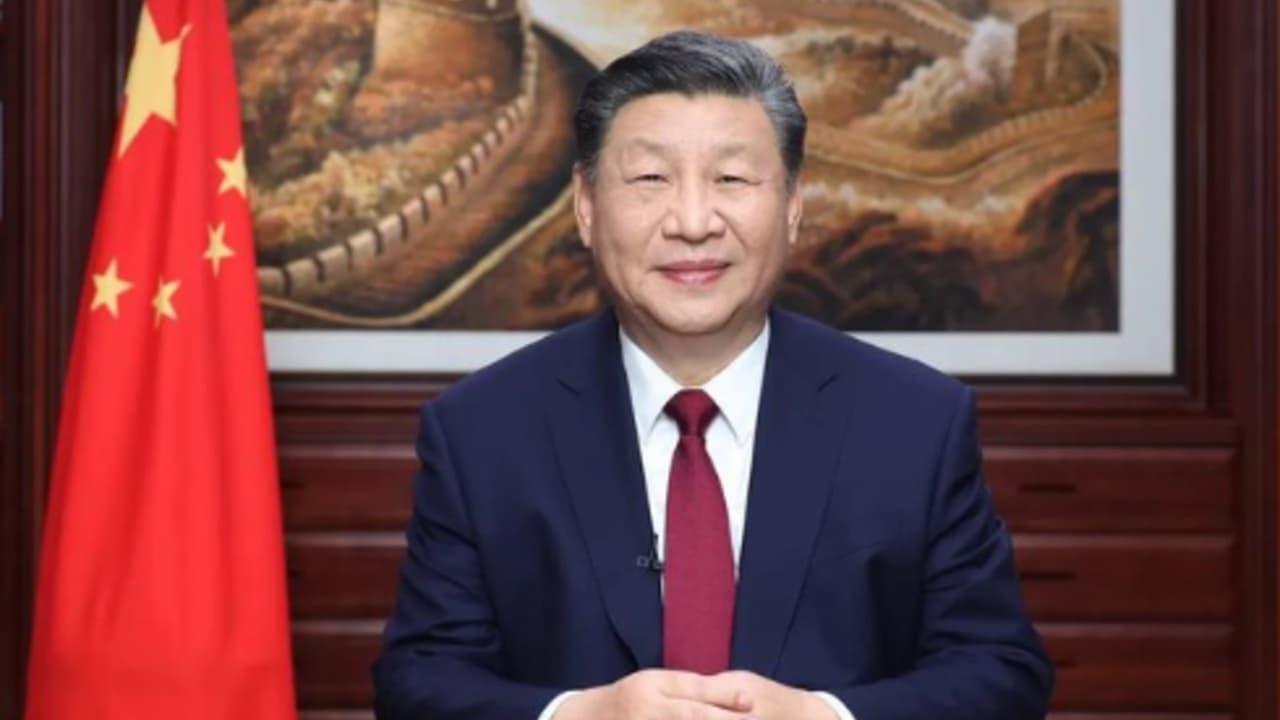
Chinese President Xi Jinping said Monday that normal passage through the Strait of Hormuz should be maintained, calling it “serves the common interest of regional countries and the international community,” in what The Hill described as his first comments on the waterway a month into its closure by Iran following U.S.-Israeli strikes on Tehran.
The Hill reported Xi made the remarks in a phone call with Saudi Crown Prince Mohammed bin Salman, citing China’s state-run media site Xinhua.
The South China Morning Post similarly said Xi told the Saudi crown prince that “The Strait of Hormuz should remain open for normal passage,” and added that it “aligns with the common interest of countries in the region and the international community.”
Forbes also framed the remarks as Xi’s first public call for reopening, saying Xi’s comments were included in a readout of the call released by Chinese State media.
The Hill said Xi called for an immediate and comprehensive ceasefire and cessation of hostilities in the Middle East and Gulf region.
KUTV’s package of images and context placed Xi’s comments alongside a timeline that included a two-week ceasefire announced by President Donald Trump on April 8, conditional on shipping being allowed to resume through the Strait of Hormuz.
In the same broader reporting, multiple outlets tied Xi’s call to the Strait’s effective shutdown and the disruption to global energy flows.
Ceasefire window and talks
Xi’s call for reopening arrived as a ceasefire timetable approached its end, with The Hill saying “A temporary ceasefire isexpected to expireon April 22” and that it was still unclear whether a “second round of talks between U.S. and Iranian officials will take place in Islamabad on Wednesday.”
The Hill added that President Trump was sending a delegation, while Iran “hasyet to formally committo the talks.”

Forbes echoed the ceasefire focus, saying Xi called for an “immediate and comprehensive ceasefire” and that his remarks were published hours after the Chinese Foreign Ministry’s daily press conference.
KUTV’s local Western package provided additional context by stating that on April 8 President Donald Trump announced a “two-week ceasefire between the US and Iran, conditional on shipping being allowed to resume through the Strait of Hormuz.”
The Cryptopolitan report also described a ceasefire dynamic, saying “Stocks had rallied as traders bet the Gulf fight was cooling after a two-week ceasefire between the United States and Iran was agreed on April 7,” and that Tehran’s Friday announcement that the strait was open pushed that move further.
It then said “Then markets lost steam on Monday when traffic through the strait stopped again,” underscoring how quickly the situation could shift as the expiry date neared.
Across the outlets, the common thread was that Xi’s reopening message was paired with a demand for diplomacy and a halt to hostilities, rather than a narrower focus on shipping alone.
Beijing’s balancing act with Gulf ties
The Hill described Xi’s phone call as part of a broader effort to balance China’s close ties with Tehran against its need to maintain relationships with Gulf states that have been attacked by Iran.
“Topline China’s President Xi Jinping on Monday called for an immediate ceasefire in the Iran War and said the Strait of Hormuz should be reopened for shipping traffic, in his first public remarks calling for the critical waterway to be opened just weeks before he is set to host President Donald Trump in Beijing”
It said Xi’s comments signaled that Beijing was “looking to exercise greater influence surrounding the U.S., Israel and Iran war,” while also pointing to China’s “close ties with Tehranandreliance on oil tradesuffering under the strait’s effective closure.”
The Hill added that Beijing was balancing ties with Gulf countries that have come under attack from Tehran, and it noted that “Last week, Xi met with the President of the United Arab Emirates, Sheikh Khaled bin Mohamed bin Zayed Al Nahyan.”
In that earlier meeting, The Hill reported Xi stressed “sustainable security architecture” and “international rule of law,” and said he wanted to prevent the world “from returning to the law of the jungle.”
The South China Morning Post similarly said Xi backed a diplomatic solution and supported regional nations in “building a shared home of neighbourliness, development, security and cooperation and taking their future and destiny into their own hands.”
Cryptopolitan also tied Xi’s approach to respect for international law, saying that in a meeting in Beijing last week with the crown prince of Abu Dhabi, Xi pushed for respect for international law and then repeated that message to the Saudi leader.
Across these accounts, Xi’s reopening call was presented as both a shipping demand and a diplomatic posture aimed at managing multiple relationships at once.
U.S. blockade, Iran restrictions, and a seized tanker
Multiple outlets described the Strait of Hormuz as effectively shut through a combination of Iranian restrictions and U.S. enforcement actions, with Xi’s call for reopening framed against that backdrop.
The Hill said the Iranian regime had “effectively shut down the Strait of Hormuz by exercising tight control over which ships pass through, reportedlycharging tollsfor safe passage,” while also saying the U.S. “has recentlyimposed a naval blockadeon Iranian commercial and oil ships in the Strait, turning back 27 vessels, boardingone commercial shipand on Tuesday, seizing asanctioned oil tanker.”
The same figures appeared in yalibnan’s report, which also said the U.S. had “turning back 27 vessels, boarding one commercial ship and on Tuesday, seizing a sanctioned oil tanker.”
Cryptopolitan added more detail about the shipping fight, saying “The United States seized an Iranian cargo ship, while Iran kept the Strait of Hormuz restricted and stayed out of new talks for now.”
It also described the U.S. firing on and seizing an Iranian cargo ship that tried to break its blockade, and said Iran’s military called the incident “armed piracy by the U.S. military.”
Forbes, meanwhile, said Xi’s remarks were published hours after the Chinese Foreign Ministry’s press conference where a spokesperson said Beijing was concerned about the U.S.’s “forcible interception” of an Iranian vessel on Sunday.
Across the accounts, the dispute over who controls transit and how enforcement is carried out remained central to the pressure on Xi’s diplomacy.
Markets, oil flows, and the stakes
The reporting tied Xi’s call to reopening directly to economic disruption and market volatility, with outlets describing how the Strait’s closure affected global energy supply chains.
The Hill said “The strait’s closure has upended the world’s economy, sending oil prices soaring and choking off key supplies of energy and foodstuffs.”

The South China Morning Post similarly said the stalemate “has choked global oil supply chains, plunged the global energy markets into chaos and dragged down world economic growth.”
Cryptopolitan described the immediate market reaction around the ceasefire and reopening attempts, saying “Kuwait has declared force majeure on oil shipments as Iran closes the Strait of Hormuz.”
It also stated that “Before the Iran war, Kuwait was producing 2.5 million barrels of oil per day,” and said “Stocks had rallied as traders bet the Gulf fight was cooling after a two-week ceasefire between the United States and Iran was agreed on April 7.”
Cryptopolitan further reported that “The S&P 500 rose 4.5% last week,” and that “The Nasdaq Composite jumped 6.8%, and Friday marked its 13th straight winning session.”
It then said “Then markets lost steam on Monday when traffic through the strait stopped again,” and described “Global equities turned lower” alongside warnings that strategists were concerned investors might misread the conflict’s trajectory.
More on China

Baroness Jacqui Smith Moves To Make Phone Bans Statutory In England Schools
10 sources compared

Honor Robot Wins Beijing Half-Marathon, Beating Jacob Kiplimo’s World Record
15 sources compared

Canada Cuts Tariffs on Chinese Electric Vehicles, Capping Imports at 49,000 Per Year
15 sources compared
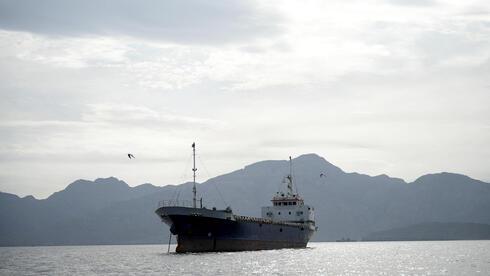
Iran Threatens to Disrupt Red Sea and Gulf Shipping Over US Hormuz Blockade
11 sources compared