
Xi Jinping Urges Reopening Strait of Hormuz In Call With Saudi Crown Prince Mohamed Bin Salman
Key Takeaways
- Xi urged Hormuz reopening in call with Saudi Crown Prince Mohammed bin Salman.
- China prioritizes energy security and diplomacy amid Iran-related tensions.
- U.S.-Israeli strikes on Iran provide backdrop to Hormuz talks.
Xi’s Hormuz call
Chinese President Xi Jinping said for the first time that the Strait of Hormuz should be reopened and that normal passage through the key waterway should be maintained, in his first comments on the strait a month into its closure by Iran following the U.S.-Israeli strikes on Tehran.
“In a rare phone call with Saudi Crown Prince Mohammed bin Salman, Chinese President Xi Jinping stressed the need to keep the Strait of Hormuz open”
Xi made the remarks in a phone call with Saudi Crown Prince Mohamed bin Salman, according to China’s state-run media site Xinhua, and he called for an immediate and comprehensive ceasefire and cessation of hostilities in the Middle East and Gulf region.
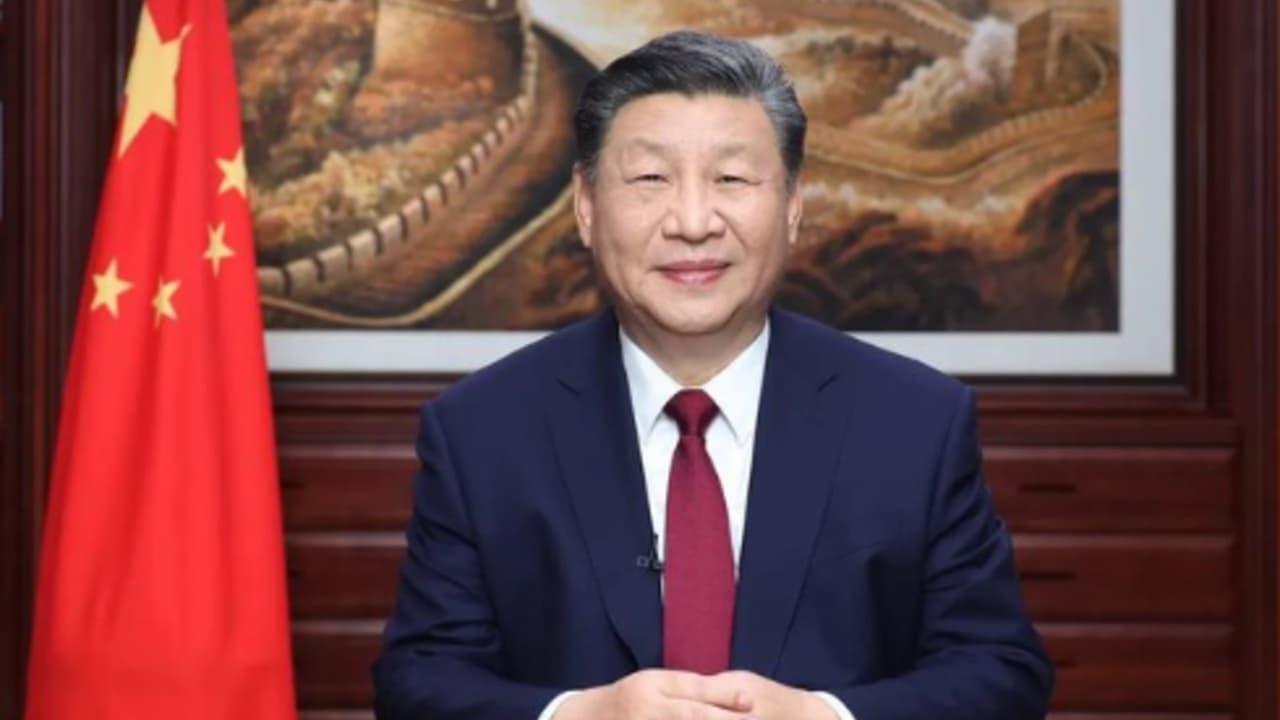
Xinhua reported that Xi said normal passage through the Strait of Hormuz “serves the common interest of regional countries and the international community.”
The Hill reported that the comments signaled Xi “is looking to exercise greater influence surrounding the U.S., Israel and Iran war,” while also reflecting China’s “close ties with Tehran” and reliance on oil trades suffering under the strait’s effective closure.
Asianet Newsable similarly described the call as Xi’s first with the Saudi leader in more than three years and said Xi stressed that safe shipping through the vital energy corridor is crucial for regional and global economic stability.
The Asianet account also quoted Xi directly during the conversation: “The Strait of Hormuz should remain open to normal transit, which is in the common interest of regional countries and the international community.”
Ceasefire window and talks
The call came as a temporary ceasefire was set to expire on April 22, and the sources described uncertainty over whether a second round of talks between U.S. and Iranian officials would take place in Islamabad on Wednesday.
The Hill said it was “still unclear if asecond round of talksbetween U.S. and Iranian officials will take place in Islamabad on Wednesday,” and it added that President Trump was sending a delegation but Iran had “yet to formally committo the talks.”
Asianet Newsable framed the timing as “a sensitive moment as the fragile US-Iran ceasefire faces renewed strain,” and it said global concerns were growing over the future of “one of the world’s most critical energy corridors.”
The Hill also described how the Iranian regime had “effectively shut down the Strait of Hormuz by exercising tight control over which ships pass through,” and it said Iran was “reportedlycharging tollsfor safe passage.”
In parallel, the Hill reported that the U.S. had “recentlyimposed a naval blockadeon Iranian commercial and oil ships in the Strait,” turning back 27 vessels, boarding one commercial ship, and seizing an “sanctioned oil tanker.”
Asianet Newsable echoed the same pressure points, stating that “Recent tensions involving Iranian restrictions and a US naval blockade have already shaken markets and raised fears of a wider regional crisis.”
Beijing’s balancing act
Beyond the immediate Hormuz message, the sources portrayed Beijing as balancing its ties with Tehran against the need to manage relations with Gulf states and Washington.
“byLaura Kelly04/21/26 10:22 AM ET Chinese President Xi Jinping said Monday that normal passage through theStrait of Hormuzshould be maintained, his first comments on the key waterway a monthinto its closureby Iran following the U”
The Hill said Xi was balancing “ties with Gulf countries who have come under attack from Tehran,” and it described China’s “close ties with Tehranandreliance on oil tradesuffering under the strait’s effective closure.”
It also reported that last week Xi met with the President of the United Arab Emirates, Sheikh Khaled bin Mohamed bin Zayed Al Nahyan, and that Xi stressed “the importance of improving ties with Gulf states and “sustainable security architecture” in the region,” while upholding “international rule of law” and preventing the world “from returning to the law of the jungle.”
The Mumbai Mirror account added that Beijing “keeps a cautious distance from Iran conflict,” and it said there was “no outpouring of grief for the supreme leader, Ayatollah Ali Khamenei, who was killed,” while China’s Foreign Ministry “said only that it had “noted relevant reports”.”
It further described China’s approach as trying to position itself as a “peacemaker of sorts” while avoiding actions that could raise expectations about new responsibilities.
The Mumbai Mirror also quoted Ryan Hass, former director for China, Taiwan and Mongolia at the National Security Council, saying, “For China, asserting leadership in the region is not a prize to be sought but a trap to be avoided.”
In the same account, Wang Yiwei, a former Chinese diplomat, said, “China has major investments in the region, including strategic infrastructure and connectivity projects, all of which have been significantly disrupted by the conflict,” tying Beijing’s balancing to concrete stakes in the region.
Criticism of the blockade
The sources also described how China publicly criticized the U.S. naval blockade of the Strait of Hormuz while keeping its own posture cautious.
The Mumbai Mirror said China “did not mince words this week when it criticised the US naval blockade of the Strait of Hormuz, calling it a “dangerous and irresponsible move”.”
It also described state media coverage as critical of the U.S.-Israeli decision to attack Iran, and it said the state-run Xinhua News Agency invoked Greek mythology, comparing U.S. ambitions to remake the Middle East to a “Sisyphean trap”.”
In the same account, it reported that at the United Nations Security Council this month, China “— along with Russia — vetoed a resolution by Bahrain to reopen the Strait of Hormuz,” adding that China and Russia said it failed to clearly state that the crisis stemmed from “US and Israeli actions against Iran.”
The Hill similarly described the U.S. action as a naval blockade, reporting that it turned back 27 vessels, boarded one commercial ship, and seized an “sanctioned oil tanker.”
The Hill also said the strait’s closure had “upended the world’s economy, sending oil prices soaring and choking off key supplies of energy and foodstuffs,” linking the blockade and closure to broader economic disruption.
Asianet Newsable, meanwhile, emphasized Xi’s call for diplomacy and political resolution, quoting Xi as saying, “China calls for an immediate and comprehensive ceasefire, supports all efforts to restore peace and insists disputes be resolved through political and diplomatic means.”
What comes next
Looking ahead, the sources tied Xi’s remarks to the immediate diplomatic calendar and to China’s longer-term effort to avoid escalation while protecting energy routes.
“Advertisement Xi’s game of ChineseCheckers Apr 20, 2026, 04:00 IST Xi’s game of ChineseCheckers Beijing balances energy interests, diplomacy and its rivalry with Washington as it keeps a cautious distance from Iran conflict, which could prove devastating for the Chinese economy if it prolongs China said relatively little in the early weeks of the US-Israeli war against Iran, a long-time friend of Beijing”
The Hill said a temporary ceasefire was expected to expire on April 22 and that it was unclear whether a second round of talks between U.S. and Iranian officials would take place in Islamabad on Wednesday, with President Trump sending a delegation but Iran not yet formally committing.
Asianet Newsable similarly said the call came as uncertainty hung over planned U.S.-Iran talks expected in Pakistan, and it framed those negotiations as determining whether the current ceasefire survives or whether tensions flare again.
The Hill also said the Iranian regime had “effectively shut down the Strait of Hormuz” by controlling which ships pass and reportedly charging tolls for safe passage, while the U.S. naval blockade had already turned back 27 vessels and seized an “sanctioned oil tanker.”
In the Mumbai Mirror account, the stakes for Beijing were described in terms of economic vulnerability, with the report warning that “rising inflation and costs from a global energy shortage, coupled with weakening demand for exports, would be devastating for the Chinese economy.”
The same account said China is the largest buyer of Iranian oil and that the Strait of Hormuz is a “strategic chokepoint through which much of the world’s oil and gas flows,” reinforcing why Xi’s call for reopening was framed as urgent.
Finally, the Hill described Xi’s phone call as signaling a push to exercise greater influence around the U.S., Israel and Iran war, while also balancing ties with Gulf states attacked by Tehran, leaving the region’s next steps dependent on whether diplomacy can hold.
More on China

Baroness Jacqui Smith Moves To Make Phone Bans Statutory In England Schools
10 sources compared
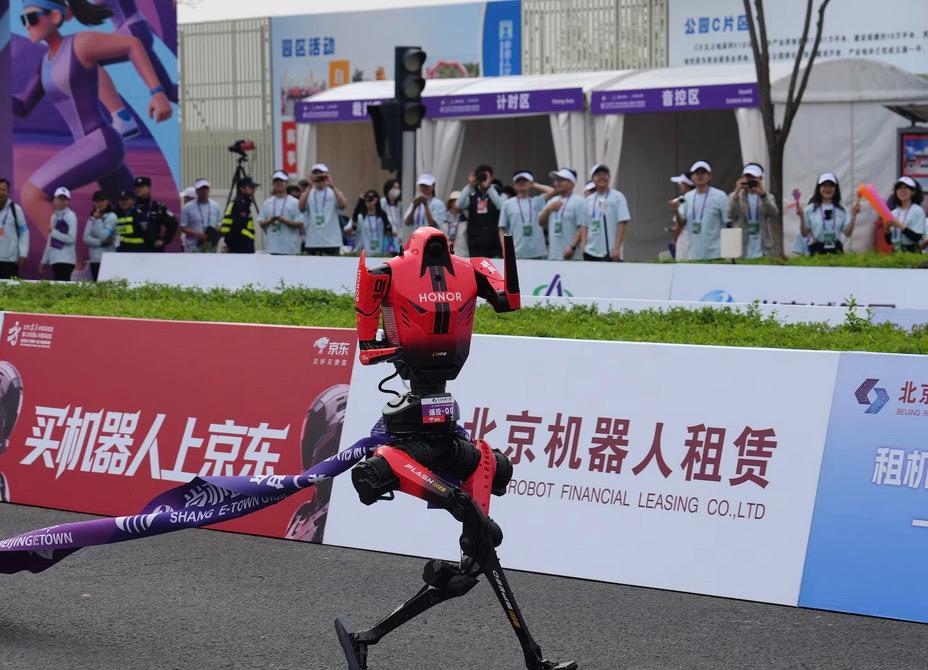
Honor Robot Wins Beijing Half-Marathon, Beating Jacob Kiplimo’s World Record
15 sources compared

Canada Cuts Tariffs on Chinese Electric Vehicles, Capping Imports at 49,000 Per Year
15 sources compared
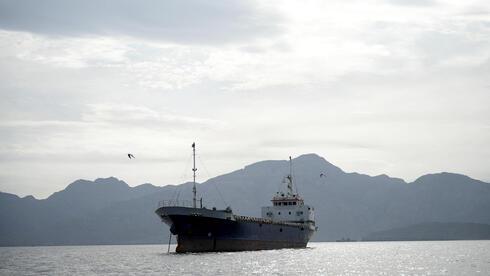
Iran Threatens to Disrupt Red Sea and Gulf Shipping Over US Hormuz Blockade
11 sources compared