China04 February, 20262 min read
Xi Warns Trump Against U.S. Arms Sales To Taiwan, Asserts Taiwan Is China’s Territory
This article is an automated aggregation of coverage from news outlets. Our editorials offer in-depth analysis curated by the NewsCord team.
Xi declared Taiwan is part of China and the most important bilateral issue Xi urged the U.S. to be prudent in supplying arms to Taiwan

13 outlets told this the same way.
China-US Taiwan call
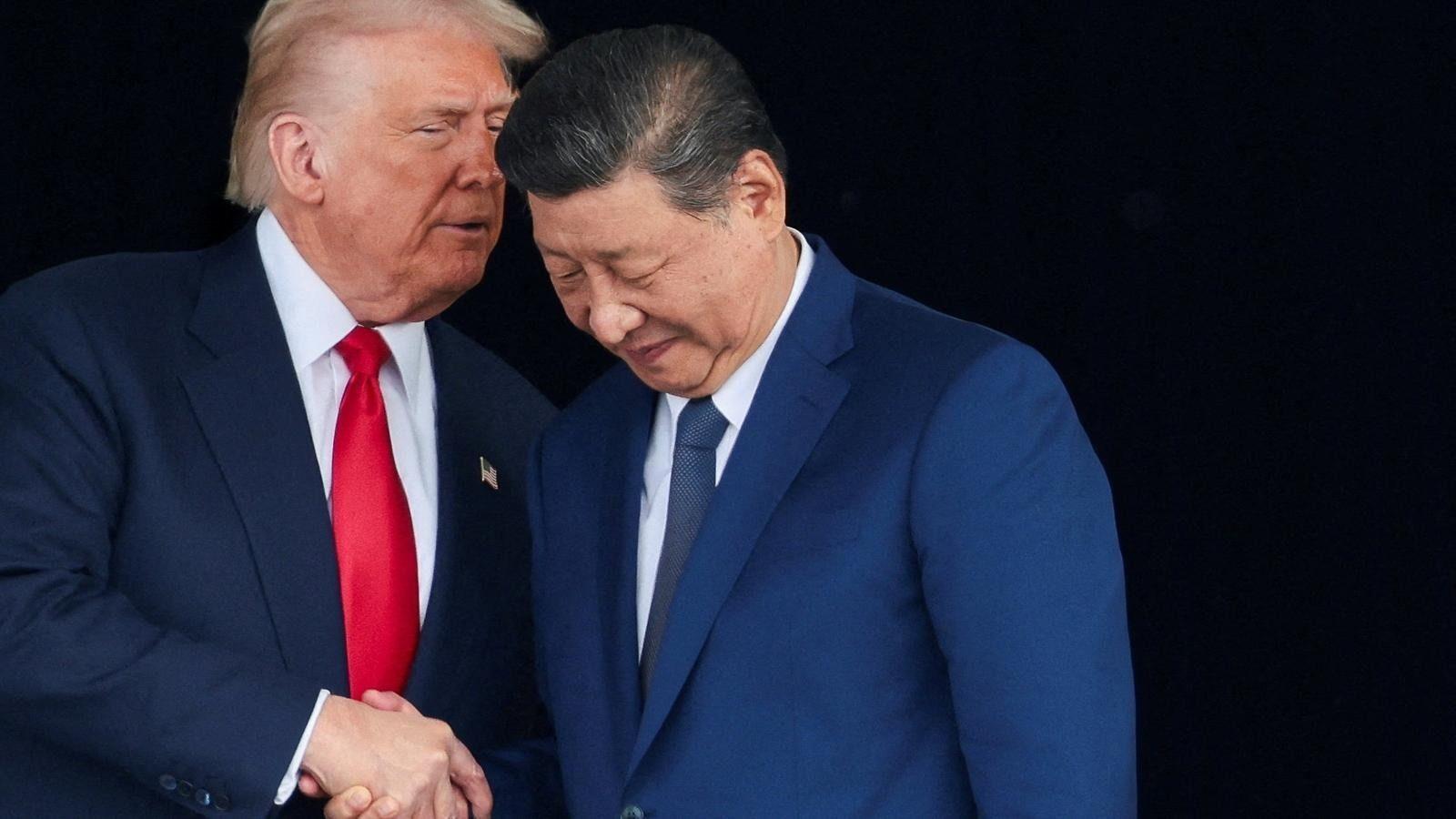
Chinese President Xi Jinping told US President Donald Trump in a Feb. 4 phone call that Taiwan is 'the most important issue' in China-US relations and urged Washington to be 'prudent' about arms sales to the island, according to multiple official readouts.
“Chinese leader Xi Jinping told US President Donald Trump that Taiwan is ‘the most important issue’ in China–US relations and urged Washington to be ‘prudent’ about arms sales to the island during a lengthy phone call on Wednesday, state media reported.”
Xi also reiterated that Taiwan is part of China and vowed to safeguard sovereignty.
Trump publicly described the call as 'excellent' and said it covered Taiwan along with trade, Russia's war in Ukraine, Iran, and China's purchases of US energy and soybeans, and he signalled a planned April visit to China.
The call was portrayed across Asian and Western outlets as both a warning about Taiwan and a conversation in which both leaders expressed a desire to manage differences and keep channels open.
China-US diplomatic framing
Chinese and Asian outlets framed the conversation as part of a broader bid to steady bilateral ties. Xi told Trump he was ready to work together to steer the 'giant ship' of the relationship through turbulence. He urged equality, mutual respect, reciprocity and the careful management of differences alongside step-by-step trust building.
He also highlighted upcoming shared agendas. State-aligned reports emphasised cooperation, shared understandings and the need to expand practical cooperation in 2026 as the context for the Taiwan warning. That cooperative framing contrasts with several Western reports that emphasised Beijing's 'red lines' on Taiwan and framed the call as signalling limits rather than offering concrete concessions.
U.S.-China commercial talks
The U.S. side highlighted commercial and diplomatic elements. Trump called the conversation "excellent" and "long and thorough," and highlighted discussions on trade and energy. Public statements and outlets reported China was considering increasing U.S. soybean purchases to about 20 million tonnes.
“Trump highlighted commercial ties, saying China agreed to boost U.S. soybean purchases to about 20 million tonnes this season and 25 million next, and analysts expect a possible Boeing aircraft deal (reported as up to 500 planes) to be announced during his visit.”
Western outlets also noted expectations of possible commercial deals, including widespread speculation about a Boeing aircraft deal tied to Trump’s planned visit. They pointed out that neither side publicly raised some contentious leverage topics, such as rare earths, in the readouts.
Reactions to Taiwan call
Coverage diverged on how the call affected Taiwan and on reactions from Taipei. The Guardian reported that Taiwan's president, Lai Ching-te, said the island's ties with the United States were 'rock solid'. He added that cooperation projects would continue, a response underscoring Taiwan's intent to maintain ties despite Beijing's warning.
Several Western outlets reiterated Beijing's condemnation of last December's roughly $11 billion U.S. arms sale to Taiwan. Chinese-state outlets framed their warnings as a necessary defense of sovereignty rather than as escalatory rhetoric.
Media framing of China call
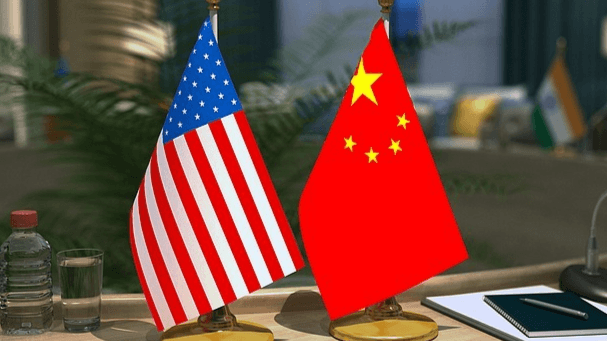
CNBC reported that analysts saw China signalling red lines while avoiding overt escalation that could jeopardise a summit. AzerNews and China Daily Asia highlighted Xi’s simultaneous emphasis on broader agendas and his recent meeting with Putin, indicating Beijing’s wider foreign policy calculations.
“Observers suggest China is signaling its ‘red lines’ on Taiwan while avoiding steps that would jeopardize the summit.”
Other briefings, such as AnewZ, bundled unrelated global incidents into the same roundup, folding the bilateral call into broader news briefs rather than focusing solely on Taiwan security. As a result, readers receive varying takes — cooperative-state framing, security-focused Western reporting, or a broader diplomatic context — depending on the source.
