Full story
Runway strike and competing claims
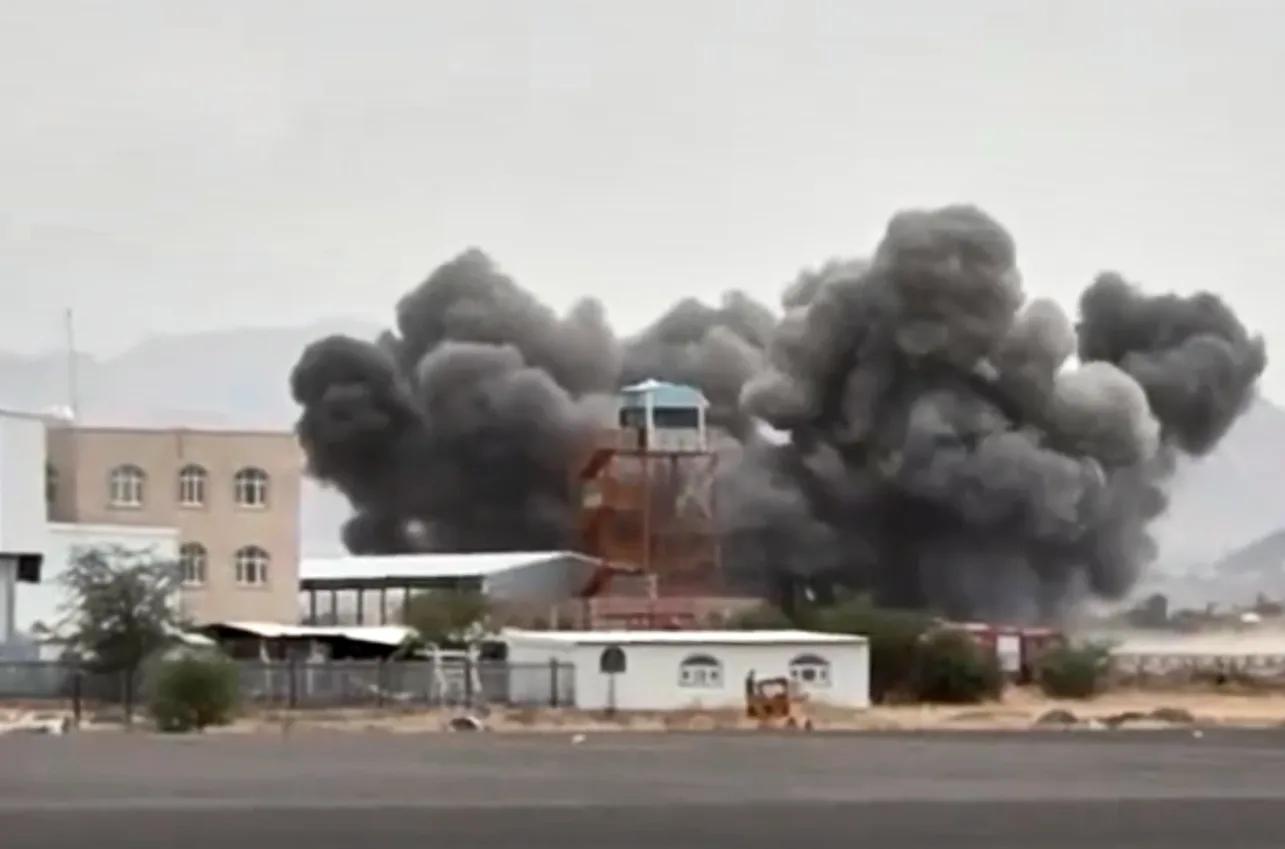
Yemeni government forces bombed the runway at Sanaa International Airport on Monday to stop an Iranian aircraft from landing, as Houthi rebels fired ballistic missiles afterward toward Saudi Arabia, whose coalition backs the government.
In a statement carried by Al Jazeera, the government said, "Therefore, the airport runway was targeted," and it also warned civilians, workers, diplomatic missions and humanitarian organisations to immediately evacuate the airport and its surroundings until further notice.

Al Jazeera reported that the Houthis said the aircraft carrying a delegation back from Tehran had landed in Hodeidah, with Houthi broadcaster al-Masirah quoting the group’s transport minister as saying, "the Iranian plane has landed on the homeland's soil, carrying a number of medical patients and stranded citizens."
The dispute unfolded against a backdrop of a United Nations-backed ceasefire that Al Jazeera said had largely frozen the conflict, while the Houthis warned they would respond to the attack and blamed it on Saudi Arabia.
Threats, missile exchanges, and Iran’s stance
The Houthis warned that the attack would not go unanswered, with Al Jazeera quoting Houthi military spokesman Yahya Saree saying, "this aggression will not go unanswered or unpunished."
Iran condemned the runway strike, and Al Jazeera reported Foreign Ministry spokesman Esmaeil Baghaei described it as "a clear violation of international law and the United Nations Charter" and an affront to Yemen’s sovereignty.

Saudi Arabia’s coalition for Yemen said it intercepted ballistic missiles launched by the Iran-backed Houthis toward the southern region of the kingdom, posting that "Air defences intercepted a ballistic missile threat".
Al Jazeera also reported that Hans Grundberg, UN Special Envoy for Yemen, warned of the danger of escalation and said his office was in contact with all sides to convince them to step back from the brink, urging them to de-escalate and refrain from actions that would risk a new cycle of violence.
What comes next for the truce
Al Jazeera framed the Sanaa airport strike as a trigger for fears of a fresh outbreak of violence, after the internationally recognised government attacked the airport to stop an Iranian aircraft from landing and the Houthis fired ballistic missiles at Saudi Arabia.
Daily Sabah described the escalation as the biggest between the two sides in years, saying it threatens to upend a frozen conflict amid a volatile situation and comes as the U.S. and Iran trade attacks impact the Gulf and traffic in the Strait of Hormuz.
Daily Sabah reported that Yemen’s defence ministry accused the Houthis of "allowing an Iranian plane to violate Yemeni territory; consequently, the airport runway was targeted," and it added that the head of Yemen’s Presidential Leadership Council, Rashad al-Alimi, said he had ordered that "the scope of the confrontation not be expanded."
Al Jazeera said the war has caused widespread displacement, damage and famine, and it quoted UN Special Envoy Hans Grundberg urging de-escalation to avoid a new cycle of violence in Yemen.