Yemen11 April, 20261 min read
Yemen's Houthis Fire Missiles At Israel, Opening New Front In Iran-US-Israel War
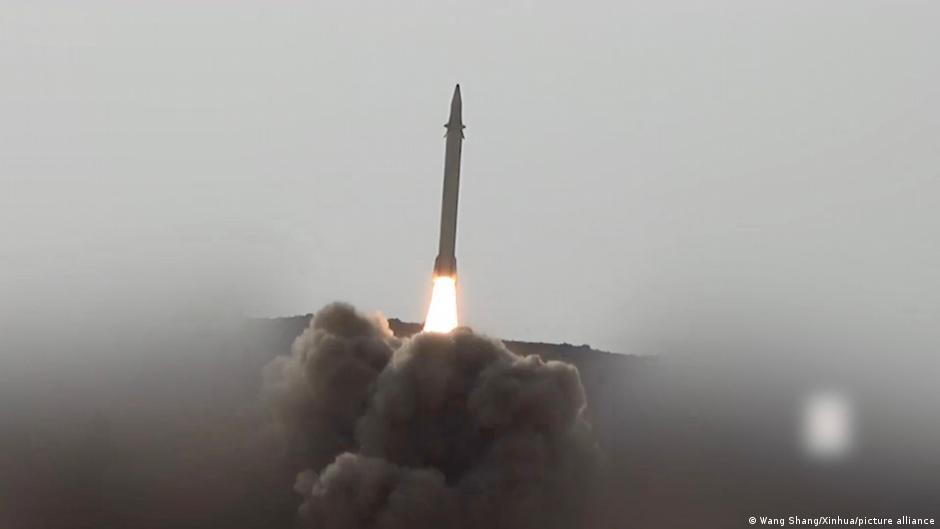
Houthis fired missiles at Israel, first attack since the Iran-Israel war began. Houthis enter the Iran-aligned front, escalating the conflict.

Houthis Join Iran-US-Israel War
Yemen's Houthi rebels fired ballistic missiles at Israel, marking their first direct military engagement. Israel confirmed missile launches and activated air defense systems.
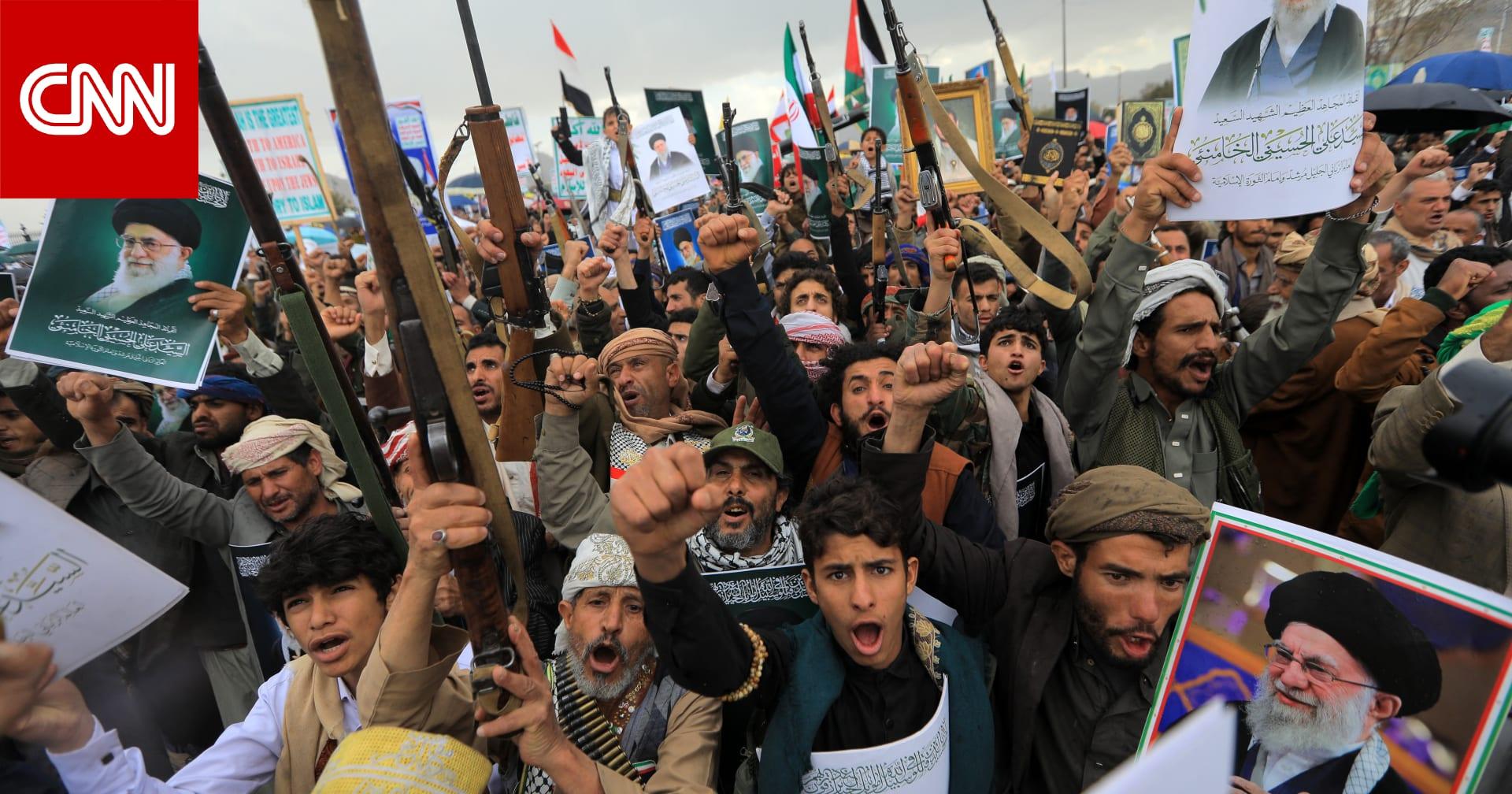
The Houthis framed their strikes as revenge for crimes and massacres committed by Israel and the US. This marked the first time the Houthis moved from political support to direct military action.

Houthis Frame Intervention as Moral Duty
The Houthis framed their intervention as a religious and moral duty to support their brothers in the Axis of Resistance. Mohammed al-Bukhaiti emphasized the decision was not imposed by Iran.
Yemeni government sources warned the Houthis were dragging Yemen into a war that had nothing to do with it. Fears rose that the conflict could destabilize the Red Sea corridor.

Red Sea Trade At Risk
The Houthis' entry threatened to reopen the Bab al-Mandeb choke point. BBC warned this could trigger a full-blown global energy crisis.
The Strait of Hormuz had been closed by Iran for weeks. Civilians in Sanaa felt the immediate human impact.
Six Weeks of Iran-US-Israel War
The Houthis joined a conflict that had already raged for nearly six weeks. US-Israeli forces had flown nearly five thousand strikes across Iran.
Civilian death tolls were mounting. Sniping between Yemeni government forces and the Houthis escalated.
International Reactions
The UN Security Council called an emergency session. PBS highlighted growing humanitarian concerns.
The British Foreign Office condemned the Houthis' missile strikes. Britain shifted to a more confrontational tone toward Iran.