YONDER Highlights Tawlet, Qasti, and Sama in Paris’ Best Lebanese Restaurants Roundup
Key Takeaways
- YONDER lists Tawlet among Paris's top six Lebanese restaurants.
- Tawlet is Beirut institution, bringing home-cooked Lebanese cuisine to Paris.
- Geaam is a Michelin-starred chef in Paris with ties to Lebanon.
Paris Lebanese Dining Scene
A Paris roundup of Lebanese restaurants spotlights Tawlet, Qasti, and Sama as part of “6 des meilleurs restaurants libanais de la capitale,” with each venue described through its concept, menu focus, and neighborhood address.
“Close Menu X (Twitter) Monday, April 27, 2026 Advertise with Us Get the App Food & Drink Lebanese Food Just Ranked Among The Top 20 In The World Lebanon’s Cafe Younes Just Opened In Jordan This Award Could Make Your Food Brand the Next Big Thing in Lebanon This Lebanese Spot In California Just Made It To The Top 10 Restaurants in the US POV: You’re Ordering Coffee in Sign Language at this New Café In Lebanon People Are Fighting Over Roadster’s Summer Campaign – So We Decided To Just Settle It Once & For All Lebanese Beer Brands Are Publicly Throwing Shade, And It’s Getting Frothy ") Lebanon’s Fattoush Ranked One of the Best Salads in the World (Again”
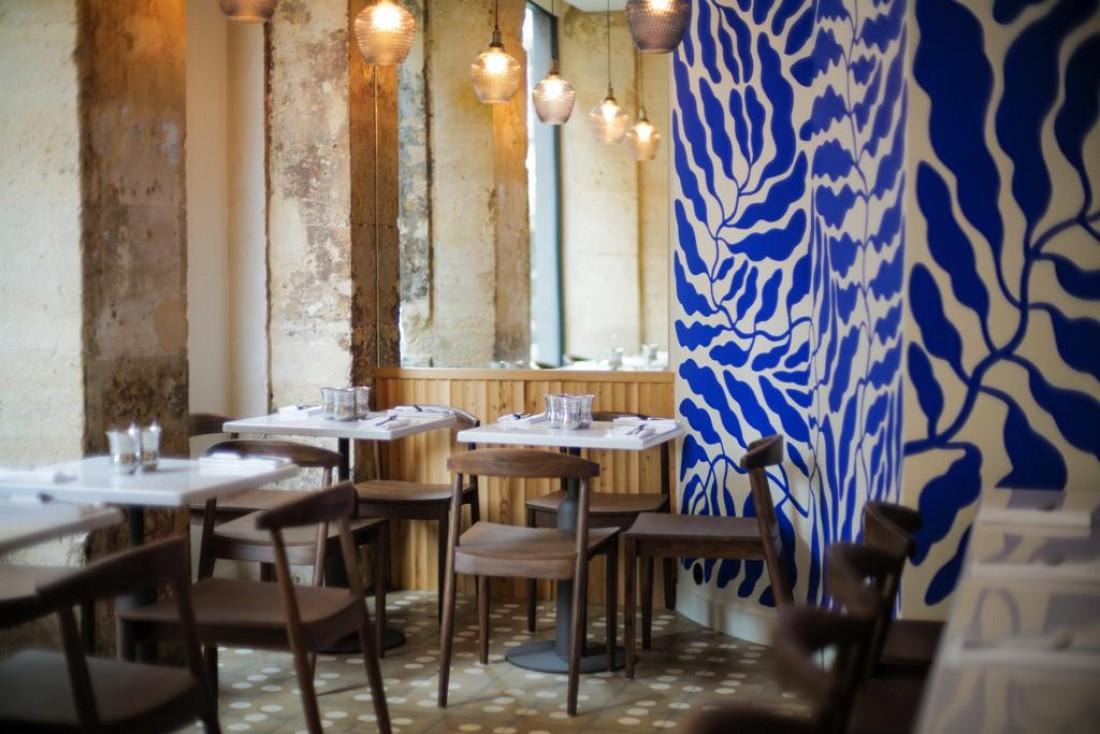
The YONDER guide says Tawlet, led by food activiste Kamal Mouzawak and the ONG Make Food, not War, brings its “table libre” concept from Beirut to Paris, presenting “la cuisine maison” associated with “les mères et des grand-mères.”
It describes Tawlet’s daily regional theme—“chaque jour de la semaine à une région différente (Jabal, Beqaa, etc)”—and highlights the “Buffet Libre” at “29€ au déjeuner” as a way to taste dishes like “shorbat aadas bhamod (soupe lentilles, citrons, blettes),” “frikeh à la viande,” and “malfouf mehche (chou farci).”
The same guide adds that “Souk El Tayeb” is available for customers to take home, and it places Tawlet Paris at “2 Rue de la Fontaine au Roi, 75011 Paris.”
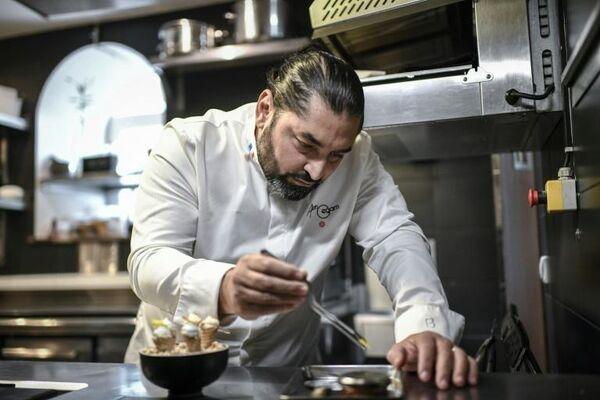
For Qasti, the guide credits chef Alan Geaam and frames the restaurant as a personal reinterpretation of Lebanese memories “à la française,” with mezze including “sambousseks d'agneau, sumac” and “poulpe laqué à la mélasse de grenade.”
It then situates Qasti at “205 Rue Saint Martin, 75003 Paris,” and notes that Geaam also offers “Qasti Shawarma & Grill” and “Sâj,” plus an “épicerie Doukane” opened “depuis la semaine dernière.”
Geaam’s Path to Regularization
A separate profile from Le Courrier du Vietnam centers on Alan Geaam, describing his immigration history and how he built a restaurant career in France while dealing with undocumented status.
The article quotes Geaam recalling that he “came to Paris twenty-three years ago, paying smugglers,” and that he “stayed 14 months without papers,” before later obtaining a residence permit.
It frames his current standing through Michelin recognition, saying he has “two starred restaurants, Alan Geaam and L'Auberge Nicolas Flamel (one star each on the Michelin guide, editor's note),” and it ties his ability to employ “80 people” to “more than twenty years ago someone lent me a hand and gave me my first contract.”
Geaam links his view of immigration policy to “the creation of a residence permit for 'in-demand trades' announced by the government to address sectors in shortage of workforce,” and he argues that “among the young illegals who live here, there are talents.”
He adds a practical prescription: “We must teach them French and train them so they have a trade... not only in the difficult trades. It will help our economy.”
The profile also describes a continuing problem inside his own workforce, saying he is “distressed to see one of his dishwashers, employed for ten years in a restaurant he bought in 2014, 'unable to obtain a residence permit, although he is declared and has pay slips'.”
From Tripoli to Paris Kitchens
The Courrier du Vietnam profile situates Geaam’s culinary identity in his upbringing and family teaching, connecting his later restaurant concepts to memories of Tripoli and wartime Lebanon.
“TESTÉ ET APPROUVÉ PAR LA RÉDACTIONSi on ne présente plus Kamal Mouzawak, food activiste à la tête de l'ONG Make Food, not War, on est ravis qu'il décline enfin à Paris son concept Tawlet (« table libre »), déjà une institution culinaire àBeyrouth”
It says he was “Born in Liberia,” and that he “grew up in Tripoli in wartime Lebanon,” where he “suffered 'from bombardments, lost school friends, neighbors.'”
In the same passage, Geaam describes how food became a marker of survival and joy, saying “When we ate eggs and bread from the day before, it was a celebration,” and he adds “Knowing how to love” as a guiding idea.
The article quotes him on his mother, describing that “There we meet his mother Ilham, who taught him 'to love people: because to cook, you must know how to love.'”
The profile further describes his early work trajectory in France, saying he was “Hired as a dishwasher at a snack bar,” then “regularized and climbs all the steps, 'clerk, chef de partie, demi-chef, sous-chef, chef de cuisine,'” while practicing in “his maid's room” to develop recipes.
It includes a specific detail about his self-taught process: he “practicing in his maid's room to whip up 'mayonnaise or a pesto' whose recipe he copied from a library book,” and it says he “obtains French nationality and buys the oldest inn in Paris, L'Auberge Nicolas Flamel in 2007.”
Restaurant Concepts and Menu Details
The YONDER restaurant list and the Courrier du Vietnam profile intersect around Alan Geaam, but they do so through different lenses: one through dining-room descriptions and dishes, the other through biography and labor status.
In the YONDER guide, Qasti is presented as a place where Geaam reinterprets Lebanese memories “à la française,” and it names specific dishes such as “sambousseks d'agneau, sumac” and “poulpe laqué à la mélasse de grenade.”
It also directs diners to order “la sayadieh traditionnelle (cabillaud à la sauce tagine et aux oignons frits, riz pilaf),” and it describes the setting as “une salle lumineuse et chic, ou en terrasse si le temps est clément.”
The same YONDER piece says Geaam is transforming “le Haut-Marais” into “petite ambassade culinaire du Liban à Paris,” and it lists additional venues including “Qasti Shawarma & Grill” and “Sâj” as well as the “Doukane” épicerie opened “depuis la semaine dernière.”
Meanwhile, Le Courrier du Vietnam describes Geaam’s work beyond restaurants, saying “For a week now, he has been serving as consulting chef at the restaurant of the luxury hotel Le K2 Altitude in Courchevel, a 'great pride.'”
The Courrier du Vietnam also describes his personal life and family, stating he lives in France with his wife Chloé and “their three children, Enzo, 14, Léa, 7, and Margaux, 3.”
Sama’s Founders and Weekend Brunch
The YONDER guide’s third featured restaurant, Sama, is described through its founding team and its attempt to position Lebanese cuisine within a bistronomique register rather than “folklore orientaliste.”
“I came to Paris twenty-three years ago, paying smugglers”
It says Sama was created from the meeting and desire of three personalities: “Karim Haïdar,” “Loulouwa Al Rachid,” and “Marwan Rizk,” and it describes their idea as “sortir la cuisine libanaise du folklore orientaliste et l'inscrire dans le registre bistronomique.”
The guide describes the decor as “un bistrot parigot des plus classiques,” with “un grand bar,” “des tables de bois clair,” and “des immenses baies vitrées,” while noting that orange is the dominant color and that photos show “le Liban moderne.”
It then details the menu structure as “écrite à 6 mains,” and it lists dishes tried and shared, including “leBatata, mille-feuille de pommes de terre frit, crème d'ail et piment d'Alep,” “leHabra, thon pilé, boulghour au gingembre et coriandre,” and “la kafta de canard.”
The guide also highlights “les meilleures feuilles de vignes farcies à Paris : leswarak enab, à la noisette d'agneau, labné menthe et piment,” and it pairs the meal with “un sublime vin de macération nature, originaire du Liban : Obeideh Skin Contact de Sept Winery.”
For weekends, it says Sama offers “la « Terwi'a » tous les week-ends,” described as “le petit-déjeuner libanais,” and it specifies the price and included items: “34 €” and “citronnade, thé et café libanais, manouché, arayess kafta, foul, katayef assafri.”
More on Other

Israeli Soldiers Kill Seven-Month-Old Sam Abu Haikal in Hebron Car Shooting
23 sources compared

Ukrainian Marine Drone Explodes Near Constanta Oil Terminal, Romania Reports No Casualties
21 sources compared

Bangladesh Foreign Minister Khalilur Rahman Defeats Cyprus’ Andreas Kakouris for UN General Assembly Presidency
12 sources compared

Somaliland Opens Embassy in Jerusalem After Israel Recognition, Says Ambassador Mohamed Hagi
18 sources compared