
Yuval Adler And Ali Waked Aim For Neutrality In Film "Bethlehem"
Key Takeaways
- Israeli Yuval Adler and Palestinian Ali Waked co-direct Bethlehem.
- They aim for utmost neutrality in portraying the Israeli-Palestinian conflict.
- Film centers on the relationship between an Israeli agent and his Palestinian partner.
Film, neutrality, and Gaza
France 24 frames the Israeli-Palestinian conflict through cinema with its interview about the film "Bethlehem," describing it as a story in which an Israeli agent and a Palestinian informant are portrayed through the characters’ point of view.
“I have dedicated twenty-six years of my life to defending human rights”
The outlet says the Israeli Yuval Adler and the Palestinian Ali Waked imposed the “utmost neutrality,” and it quotes Adler explaining why he wanted to “make a film that explores the conflict from the inside, but told from both sides.”
Adler says he was “intrigued by the way Israeli intelligence services recruit and use Palestinian informants,” calling it “a seriously dangerous game.”
Waked, described by France 24 as an Israeli Arab from Jaffa who spent most of his career as a Gaza Strip correspondent for the Israeli website Ynetnews, says he sensed “there was always a political motive behind them” in other offers and that Bethlehem aimed to avoid portraying one side as “good” and the other as “absolutely evil.”
The interview emphasizes how the filmmakers chose what to show and what not to show, with Adler saying, “we did not film suicide bombings but rather the television news programs that discuss them.”
France 24 also includes Adler’s account of how intelligence work can create empathy, saying, “All the Israeli agents I spoke with said that after spending time with their source they came to feel a certain empathy.”
A Palestinian author’s indictment
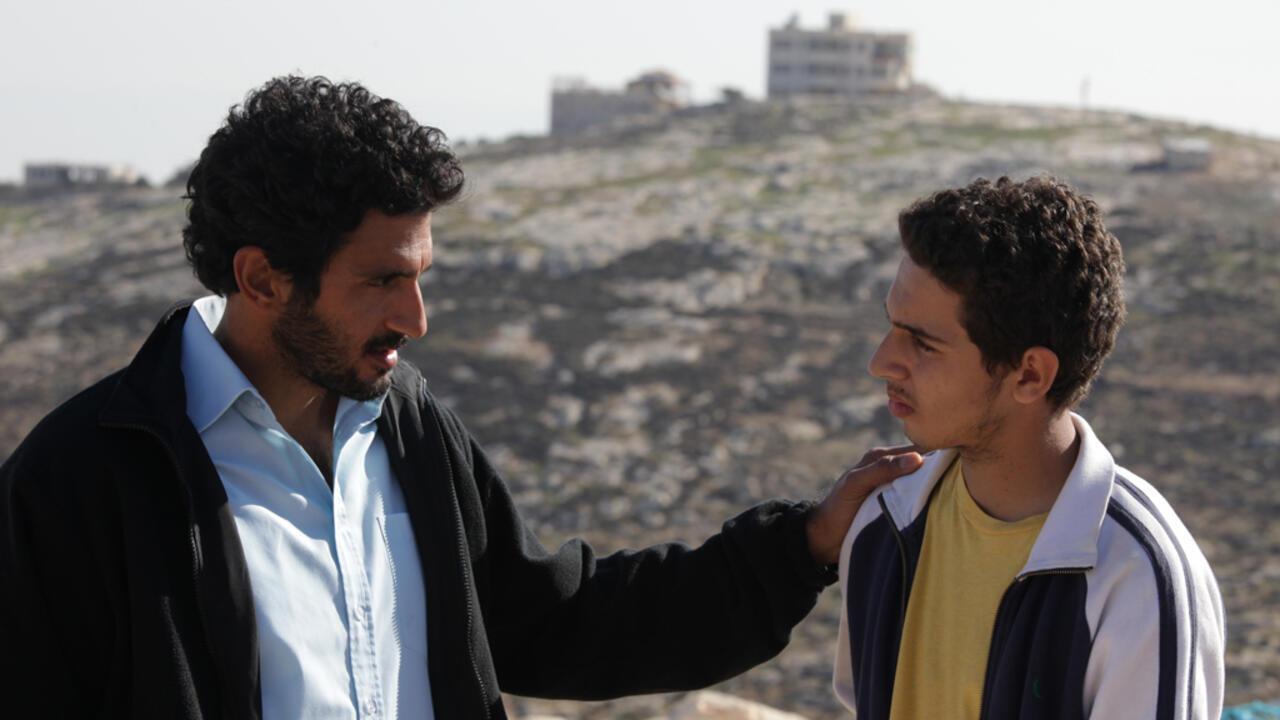
Courrier international publishes a first-person text that places the author in East Jerusalem and describes the past month as “one of the most difficult in my life.”
The author says, “Highway 1 has once again become a dividing line between the east and west [Jewish] parts of the city,” and they describe Palestinians of the capital vandalizing “traffic lights, tramway equipment, and power lines.”
The author rejects what they call “social discontent” as an explanation, insisting those acts are “acts of pure revenge.”
They describe Gaza as suffering “like a tsunami,” and they write that “Victories before the victims,” while “each denies the other's pain.”
The author then makes a direct argument about responsibility, writing, “Nevertheless, as a Palestinian, I am obliged to acknowledge one thing: I am partly responsible for what is happening.”
They say, “Most Palestinians were opposed to rocket fire on Israel,” and they claim those attacks “would bring us nothing,” adding that Palestinians asked Hamas to stop because they knew the operations would lead to “the massacre of their people.”
Demilitarization and border crossings
In the same Courrier international piece, the author argues that Hamas cannot be destroyed by Israel alone and calls for a specific political and military outcome for Gaza.
“UpdatesRed Mail 22° Tel Aviv-Jaffa Search Main Israel News Mideast & World News Tech & Digital Real Estate Finance Lifestyle Health & Science Jewish World Travel More Channels Opinions Magazine Sports Food Weather Podcasts Sites & Sources Contact Contact us Privacy Policy Terms of Use Accessibility Statement Contact us Ynetnews|Updated:08”
The author writes, “We knew that Hamas was digging tunnels leading straight to our destruction,” and they say, “Hamas has never had the intention of liberating the Palestinian people from Israeli occupation.”
They also state, “And Israel will never be able to destroy the infrastructure of this organization,” and they conclude, “Only we, the Palestinian people, can achieve it.”
The author then calls for Gaza’s internal action, saying, “It was the responsibility of the people of Gaza to rise up against Hamas' power,” and they add, “We knew what they were doing, and we let them do it.”
The text’s prescription is explicit: “We must get rid of Hamas and proceed with a complete demilitarization of Gaza.”
It continues with a next-step proposal, saying, “Then we will have to open the border crossings with Israel.”
A site’s contact page
The ynetglobal source provided in the materials is not a report about the war itself but a “Contact us” page containing site navigation and contact details.
It shows an “Updated:08.26.25 | 13:56” timestamp and includes a “First published: 14:07, 08.26.24” line.
The page lists “General inquiries and newsroom contact: NEWS SUBMISSIONS AND TIPS” and instructs readers to “Share news items, tips or any newsworthy information using our Red Email system.”
It also includes a “REPRINT AND SYNDICATION” section that directs readers to contact for permissions, naming “CEO: Sharon Shalmon Esman – Editor in Chief: Karen Shemesh – Deputy Editor in Chief: Ilan Levinsohn – TECHNICAL SUPPORT.”
For customer service, it provides an email address labeled “Yedioth Ahronoth (print edition inquiries): +972-3-6082222.”
The page also gives a postal address: “Ynetnews 1 Noah Mozes St, Rishon Lezion, 7565234, Israel.”
More on Gaza Genocide
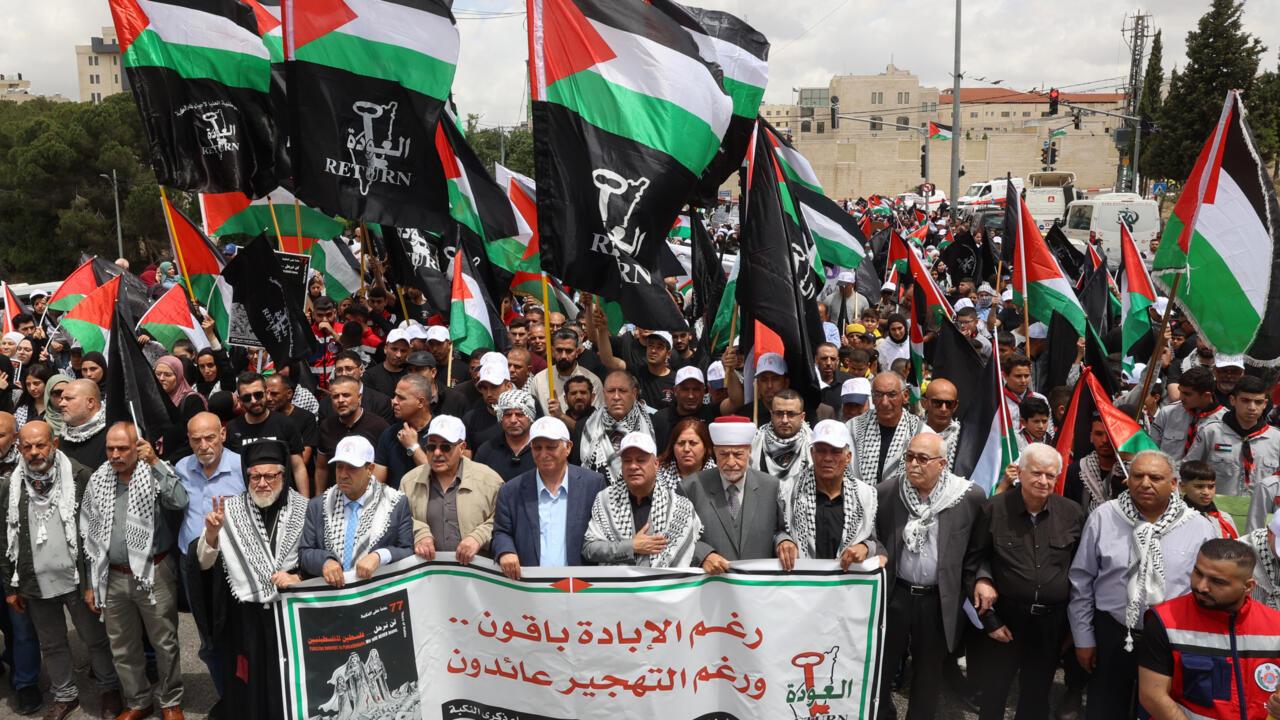
Palestinians Mark Nakba in Ramallah, Denounce Israel’s Gaza Conquest Operation and UNRWA Ban
11 sources compared
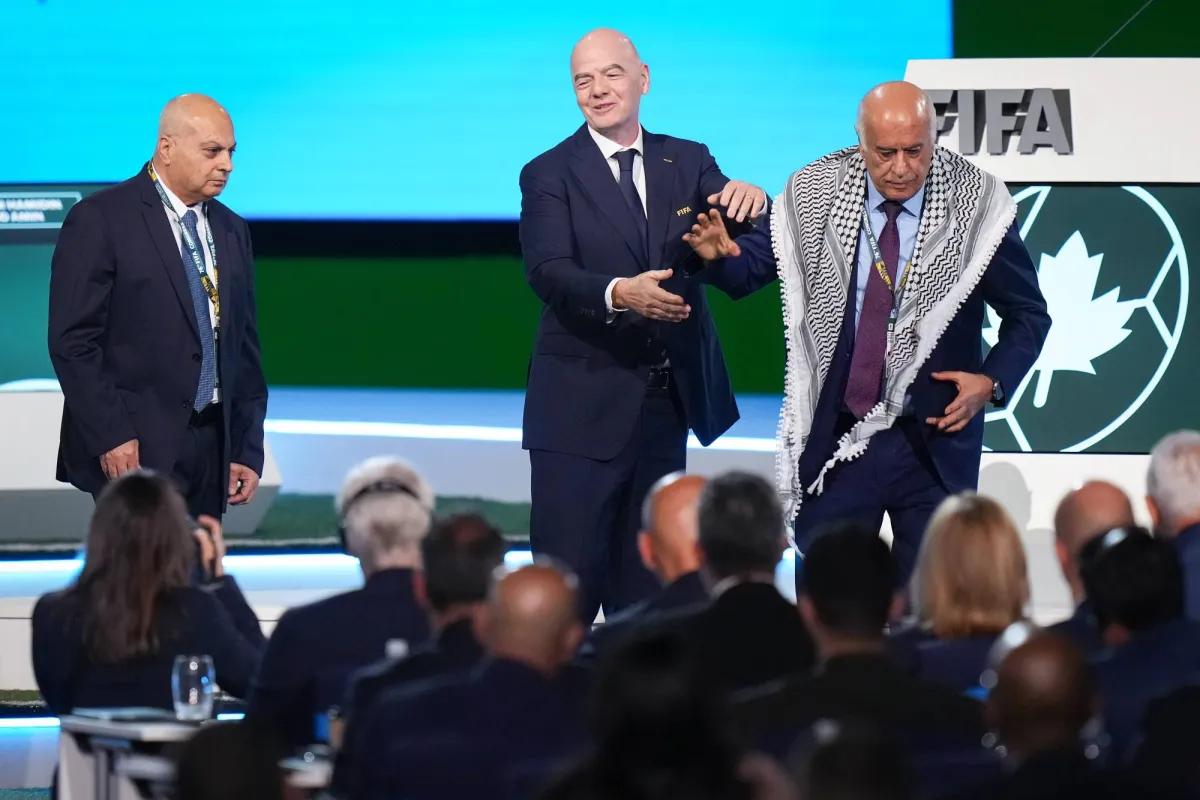
Gianni Infantino Fails To Orchestrate Handshake Between Israel And Palestine Football Chiefs
12 sources compared
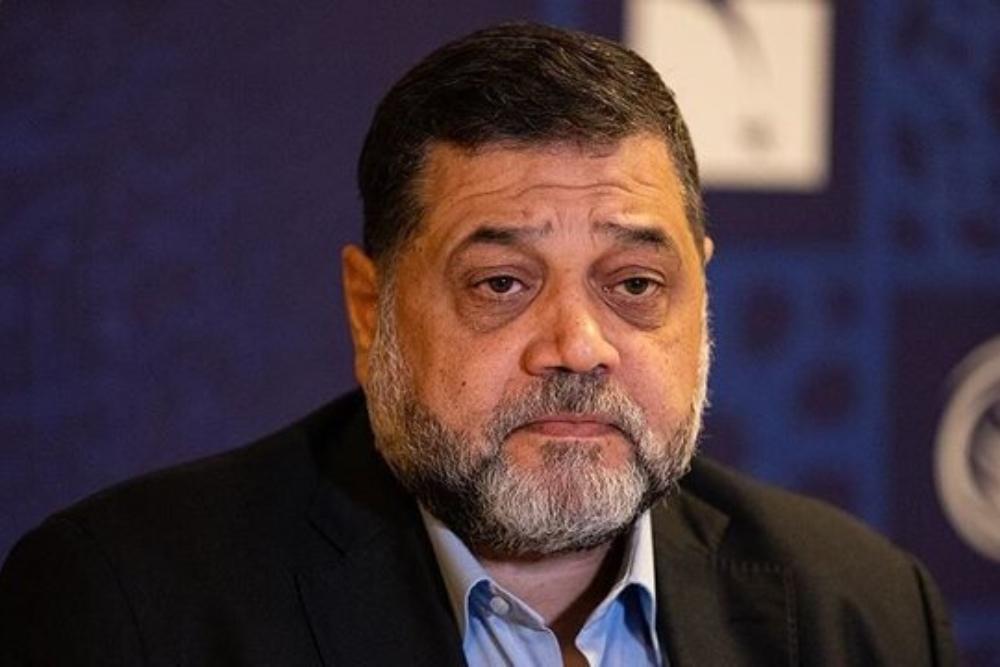
Hamas Says Israel Violates Gaza Ceasefire Every Day Since Sharm El-Sheikh Agreement
10 sources compared
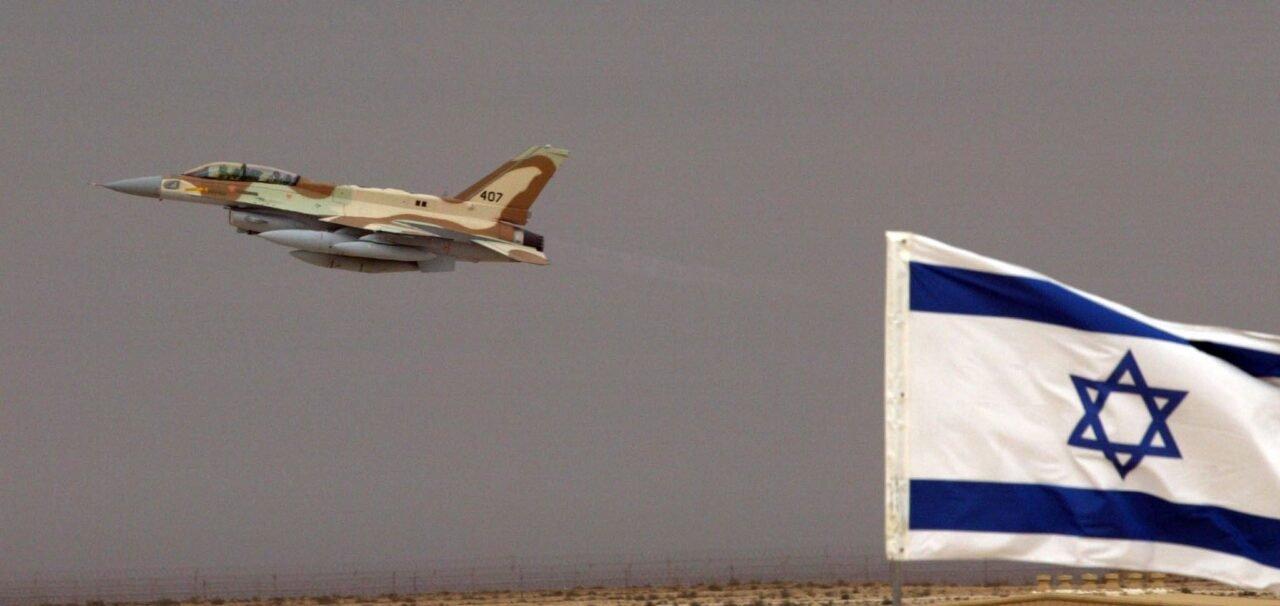
Israel Air Force Commander Tomer Bar Warns No Iran Nuclear Deal Would Be Major Failure
12 sources compared