Ukraine War24 December, 20253 min read
Zelensky Hails Talks With Trump Envoys Steve Witkoff and Jared Kushner as Push to End Russia’s War
Zelensky held a nearly hour-long constructive call with envoys Steve Witkoff and Jared Kushner Zelensky unveiled a US-backed 20-point plan freezing front lines and proposing demilitarized free economic zones
35 outlets told this the same way.
Outlets did split on Russian Attack Kills At Least 33 On Two Buses In Kramatorsk →
Zelensky talks with envoys
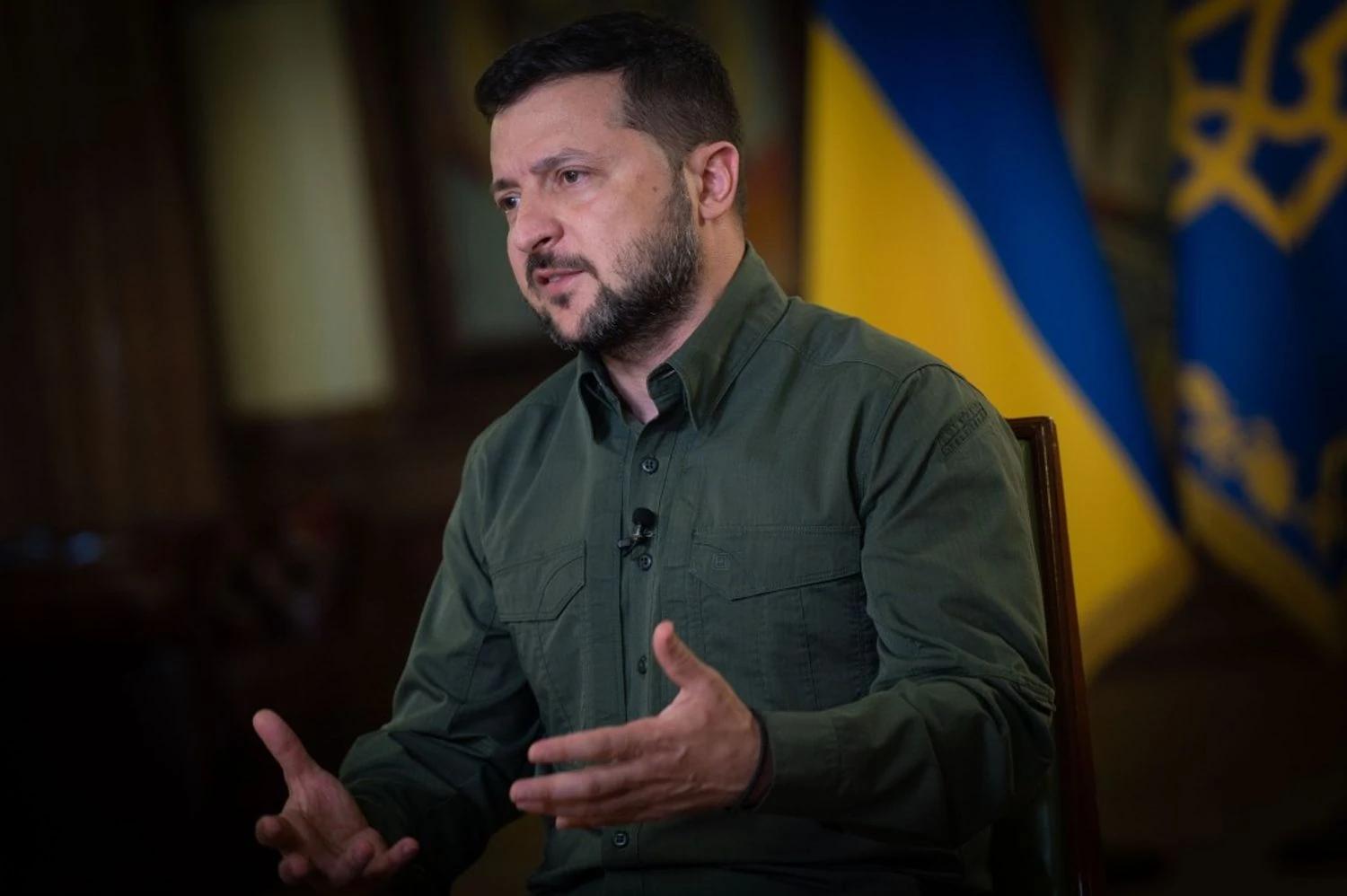
Ukrainian President Volodymyr Zelensky praised a nearly hour-long exchange with U.S. envoys Steve Witkoff and Jared Kushner. He called it a "very good conversation" that produced "substantive details" and "good ideas" to help end Russia's nearly four-year war and said negotiator Rustem Umerov would continue talks with the envoys. Zelensky described the session as constructive and optimistic.
“Zelensky said he was optimistic after a nearly hour-long meeting with U.S. envoys Steve Witkoff and Jared Kushner.”
Multiple outlets reported he won limited concessions in a revised U.S.-led 20-point draft that has been sent to Moscow for review. Western broadcasters and regional outlets said the call produced "new ideas" on formats, meetings and timing toward a political roadmap. Zelensky also acknowledged there are points in the draft he dislikes.

Draft U.S.-Ukraine peace plan
Reporting across outlets lays out a common core: a revised U.S.-drafted 20-point framework that Zelensky presented as a political roadmap, but the texts and emphasis differ. Major elements repeatedly cited include strong, Article-5-style security guarantees from the U.S., NATO and European partners. Another key element is a monitored frontline that would recognize current positions in Donetsk, Luhansk, Zaporizhzhia and Kherson as the de facto contact line.
Proposals also include options for demilitarized or 'free economic' zones and negotiated troop withdrawals subject to Ukrainian policing or parliamentary or referendum approval. Several accounts also describe a proposed Peace Council to oversee implementation and a large international reconstruction package contingent on agreement.
Zaporizhzhia and withdrawal terms
Among the most contentious specifics reported are arrangements for the Russia-held Zaporizhzhia nuclear plant and the mechanics of any troop withdrawals. Several outlets say the U.S. floated a three-way supervisory role at Zaporizhzhia involving Ukraine, Russia and a U.S. presence. Kyiv rejected that proposal in favor of a U.S.-Ukraine joint venture or other arrangements that would keep Ukrainian control over output and safety.
“The U.S. proposed a three-way consortium giving equal stakes to Ukraine and Russia; Zelenskyy countered with a U.S.–Ukraine joint venture that would allocate 50% of output to Ukrainian‑controlled areas.”
Reports also highlight Zelensky’s conditional acceptance of limited withdrawals (for example 5, 10 or 40 km in parts of Donetsk) only if Russia made matching concessions. He insisted that areas Ukraine withdraws from remain policed by Ukraine or international monitors.
Media coverage of diplomatic talks
Several outlets place the Miami talks in a broader secret-diplomacy sequence that included Berlin and separate U.S. meetings with Russian and Ukrainian delegations. Mainstream Western outlets stress the U.S. role in reshaping earlier drafts and seeking Ukrainian buy-in.
Tehran Times and MyJoyOnline explicitly link the Miami sessions to Berlin follow-ups, noting Kirill Dmitriev met U.S. envoys and that Kushner and Witkoff were prominent participants. Other outlets report the Kremlin is now reviewing proposals returned by its envoy and that President Putin has been briefed.
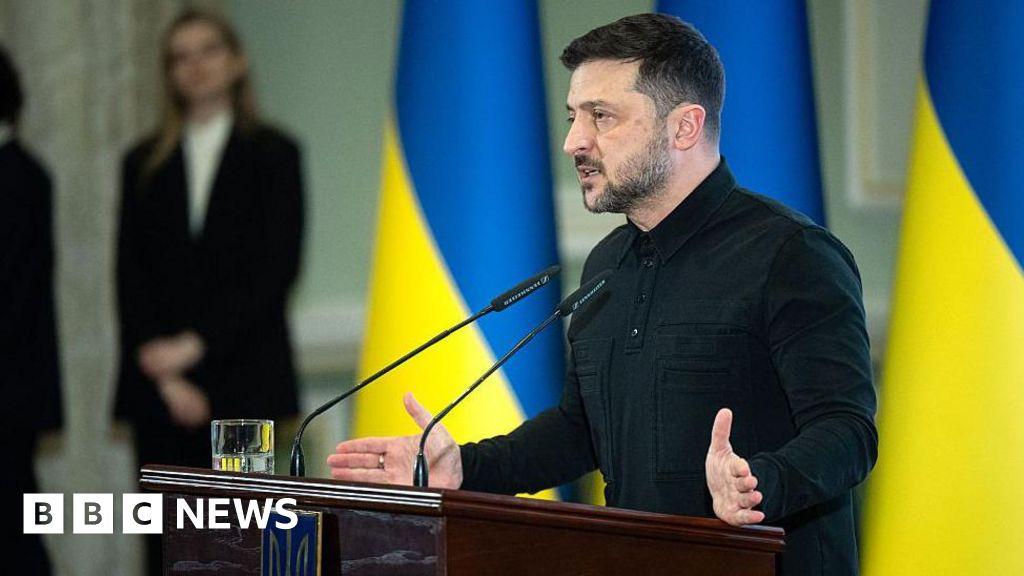
Peace plan developments
What happens next remains unclear.
“The draft is publicly incomplete and key unresolved issues remain (notably Zaporizhzhia and Donbas control).”
Most outlets say Moscow is studying the text brought back by Kirill Dmitriev.
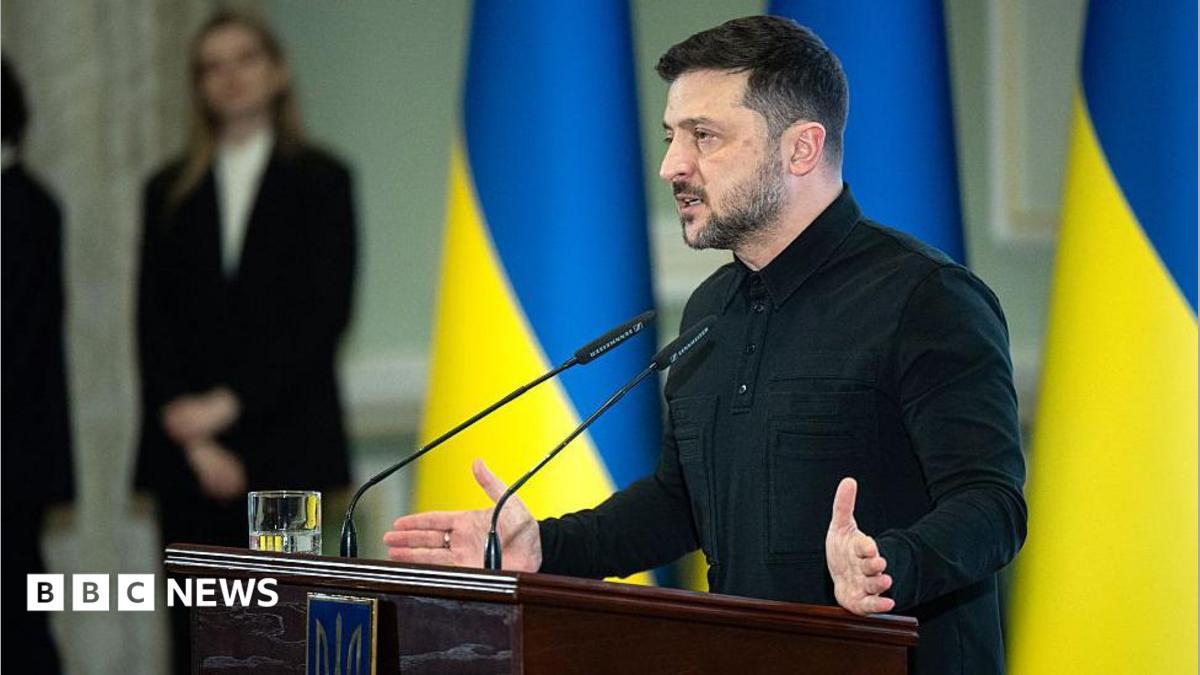
Key issues include Zaporizhzhia, Donbas withdrawals, and the size and enforcement of security guarantees.
Zelensky has asked for a leaders-level meeting with U.S. President Donald Trump to settle the most sensitive questions.
Reporting diverges on the scale of reconstruction finance and the plan's political mechanics, for example whether the Peace Council would be chaired by Trump.
Estimates of reconstruction funding and the role of international institutions differ across accounts.
Several outlets underline that any deal would require parliamentary approval or a public referendum in Ukraine.