Ukraine War01 January, 20262 min read
Zelensky Invites Trump to Ukraine to Press U.S.-Led Ceasefire Plan
U.S. offered Ukraine a 15-year security guarantee as part of a proposed peace plan. Zelensky sought 30–50-year guarantees and insisted on deployment of international troops.

33 outlets told this the same way.
Outlets did split on Russian Attack Kills At Least 33 On Two Buses In Kramatorsk →
Zelensky-Trump peace talks
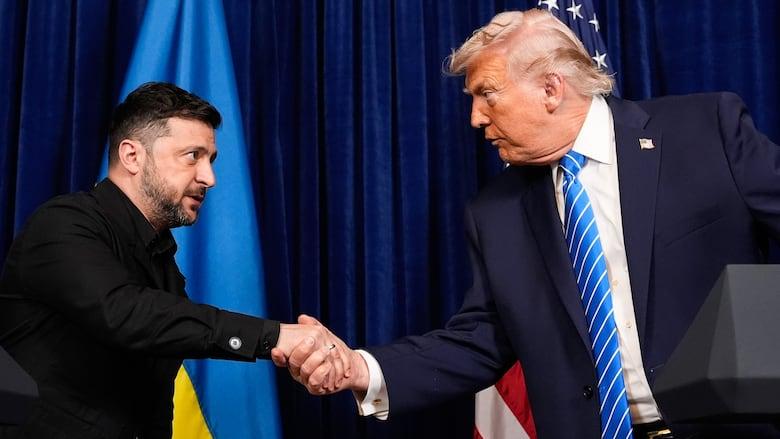
After a two-hour meeting at Mar-a-Lago, Ukrainian President Volodymyr Zelensky and former U.S. President Donald Trump discussed a U.S.-crafted 20-point peace framework that U.S. officials reportedly tie to 15-year security guarantees for Ukraine.
“The United States has proposed 15‑year security guarantees for Ukraine, which Zelensky says he would prefer to last up to 50 years and include monitoring and a partner ‘presence,’ though full details have not been made public.”
Zelensky said he wants guarantees that could extend up to 30-50 years.

He said any pact would require parliamentary or congressional approval.
The proposal emphasizes monitoring and a partner 'presence' as part of enforcement.
Key details on scope and enforcement have not been made public, and negotiators warned major issues remain unresolved.
Key negotiation disputes
Central policy disputes remain sharply contested. Negotiators continue to debate which forces would withdraw from contested front lines in the Donbas. They are also debating whether Russia will cede control of the Russian-held Zaporizhzhia nuclear plant.
Negotiators are debating whether international or NATO forces would be deployed, a prospect Moscow consistently rejects. The draft U.S.-Ukrainian text reportedly would freeze front lines in Donbas and create a demilitarized zone. Moscow is pressing for territorial concessions that Kyiv says it cannot accept.
Reactions in Kyiv and Allies
Reactions in Kyiv and among allies are mixed. Zelensky and his team have pushed for firm on-the-ground guarantees, including foreign troops or partner presence, and have planned follow-up consultations with U.S. and European officials in early January.
“Kyiv is briefing the U.S. Congress and some European parliaments; Ukrainian officials... plan delegation talks in January. Zelensky said he is willing to meet Vladimir Putin but warned that Putin’s conciliatory rhetoric is contradicted by ongoing Russian attacks.”
Many in Kyiv remain skeptical that the talks will produce a lawful, lasting peace without stronger, binding safeguards. U.S. and European coordination is expected to continue, with Paris meetings and security-advisers sessions reported, but any U.S. pledge would need congressional approval and other parliaments' buy-in.
Alleged drone strike fallout
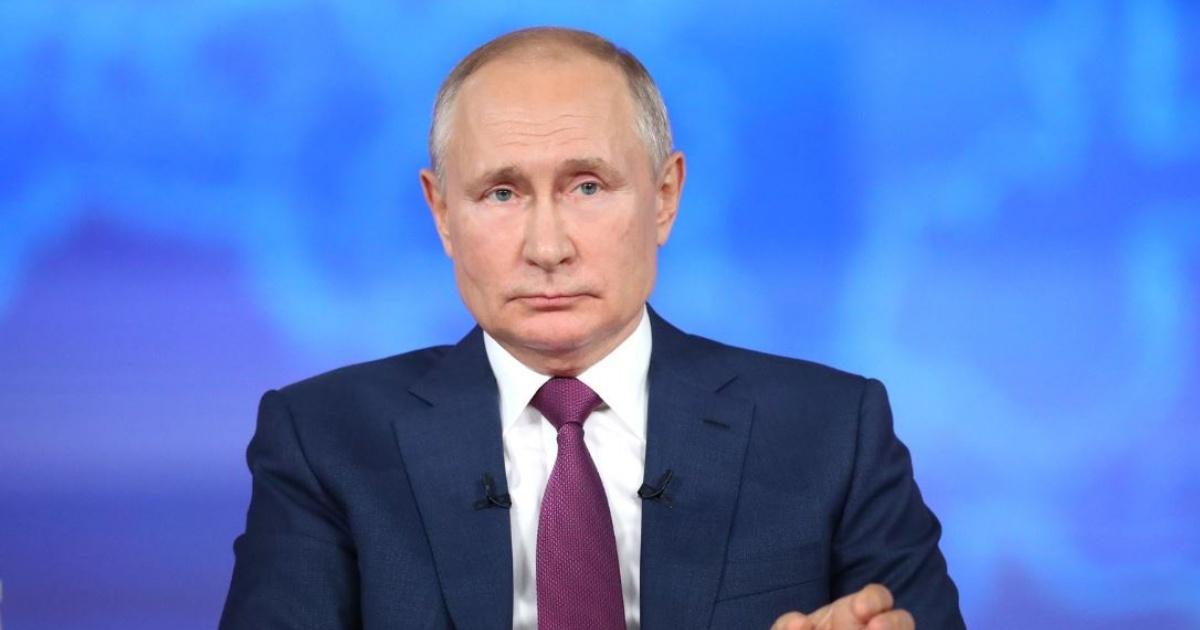
Moscow’s response and a concurrent allegation of a drone attempt on President Putin’s residence have complicated the talks. Russia accused Ukraine of a long-range drone strike, a claim Kyiv denies and that outside reporting says Moscow has not substantiated. Moscow warned it could change its negotiating stance.
The episode prompted accusations from Kyiv that the claim was intended to derail diplomacy. Western leaders expressed concern that the allegation could further inflame the conflict and undercut the fragile process.

Claim about Kyiv visit
The available reporting documents the Mar-a-Lago meeting, follow-up consultations, and Zelensky's push for longer guarantees and a foreign presence. None of the provided snippets explicitly say Zelensky formally invited Trump to travel to Ukraine. Instead, the accounts show continued diplomacy, with planned allied meetings in Paris and January coordination sessions.
“After meeting Donald Trump at his Florida resort, Ukrainian president Volodymyr Zelenskyy said Trump offered 15‑year US security guarantees; Zelenskyy said he prefers up to 50 years and insisted guarantees must include monitoring and the physical ‘presence’ of partners.”
The material also documents legal and political hurdles that would shape any such visit or a ratified guarantee regime. Given that omission, the claim that Zelensky invited Trump to Ukraine is not corroborated by these sources and remains unverified in the material supplied.