Ukraine War25 November, 20252 min read
Zelensky Plans Washington Visit To Finalize U.S.-Backed Peace Deal With Trump
Zelensky plans to travel to Washington to meet President Trump and finalize the peace deal U.S. and Russian officials hold unannounced talks in Abu Dhabi over the U.S.-crafted peace proposal

11 outlets told this the same way.
Outlets did split on Russian Attack Kills At Least 33 On Two Buses In Kramatorsk →
Ukraine U.S. peace talks
Ukrainian President Volodymyr Zelensky is seeking to travel to Washington in November to finalize a U.S.-backed peace framework negotiated this month, Ukrainian national security chief Rustem Umerov said. Kyiv and Washington are working on a revised proposal that trims an earlier 28-point plan, and Kyiv officials described follow-up diplomacy after Geneva as productive while U.S. teams also held talks in Geneva and Abu Dhabi to advance the proposals. Supporters hope to arrange a Zelensky visit to the U.S. to complete a deal with President Trump in November, even as some accounts say the framework has been shortened from the original 28 points.
“Ukraine and the U.S. are working on a revised peace proposal and aim to arrange a visit by President Zelensky to the U.S. in November to finalize a deal with President Trump, Umerov said.”
U.S.-backed plan controversy
The substance of the U.S.-backed plan has been a central flashpoint. Reporting from multiple outlets says the initial 28-point draft was pared down to a reported 19 points after talks in Geneva. It nonetheless retained elements Kyiv and European partners found contentious, including provisions critics warned would require wide Ukrainian concessions on territory and NATO aspirations.
Several outlets say the original plan drew sharp criticism from European partners and some U.S. lawmakers for demanding concessions such as ceding parts of Donbas, cutting Ukraine's military, and abandoning NATO bids. Others note the revised draft removes some limits, for example on force size, while key territorial and security questions remain unresolved.
U.S. role in negotiations
Outlets present the role of the United States and of President Trump in shaping the timeline and details differently. Several reports say U.S. envoys led shuttle diplomacy, with U.S. negotiators working from a revised White House 28-point proposal and meeting Russian officials in Abu Dhabi. Other reporting notes Trump publicly pushed for a quick settlement by Thanksgiving, but U.S. officials described that deadline as flexible and, according to one U.S. official quoted by The Kyiv Independent, Trump was not closely involved in the plan's details.
“U.S. negotiators working to secure a ceasefire in the nearly four‑year Russia‑Ukraine war made apparent progress this week after talks in Geneva and follow‑up discussions in Abu Dhabi.”
Diplomacy amid active fighting
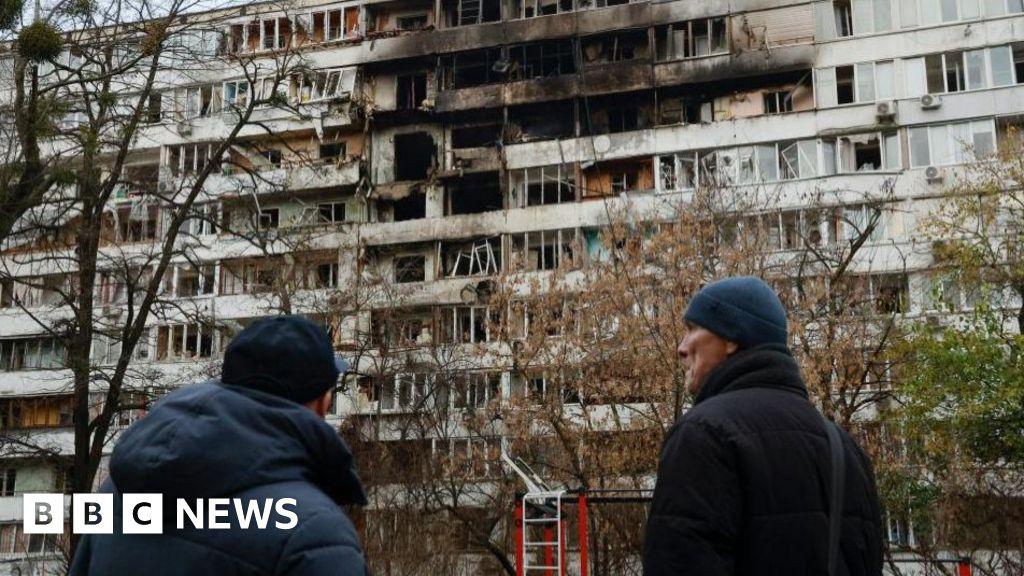
Diplomacy is unfolding amid continuing hostilities and political friction, with Geneva and Abu Dhabi talks taking place while Kyiv and Moscow continue to exchange deadly attacks. The BBC reported overnight air strikes that killed civilians in Kyiv and Russia’s Rostov region. Ukrainian officials insist sensitive items, including an "all-for-all" prisoner exchange and the return of children taken by Russia, must be preserved in any final deal.
Leaders including Britain’s Keir Starmer have been in touch with Zelensky as Kyiv seeks wider international backing for any agreement. At the same time, the Kremlin called some Western amendments "completely unconstructive," underlining persistent disagreement and uncertainty about any final text.
