Ukraine War02 January, 20262 min read
Zelensky Proposes 34-Year-Old Digital Minister Mykhailo Fedorov to Replace Ukraine's Defence Minister
President Zelensky offered Mykhailo Fedorov, 34, his defence minister position. Parliament must approve the defence-minister appointment; Denys Shmyhal will be reassigned.

34 outlets told this the same way.
Outlets did split on Russian Attack Kills At Least 33 On Two Buses In Kramatorsk →
Ukraine defence minister appointment
Ukrainian President Volodymyr Zelensky announced in a video message that he intends to appoint Deputy Prime Minister and Digital Transformation Minister Mykhailo Fedorov, 34, as the new defence minister. Zelensky framed the move as part of a wider reshuffle of defence and security bodies. The nomination still requires parliamentary approval and would replace Denys Shmyhal, who is to be moved to another role.
“Ukrainian President Volodymyr Zelensky said in a video message that he intends to appoint Deputy Prime Minister and Digital Transformation Minister Mykhailo Fedorov as defence minister, replacing Denys Shmyhal; the move still requires parliamentary approval.”
Fedorov's qualifications and nomination
Fedorov is best known domestically as the architect of Ukraine's Diia digital services platform and as the minister who pushed digitalisation and drone initiatives.
Several outlets and officials highlighted those credentials as the rationale for nominating a non-traditional defence minister.

Kyiv security reorganisation
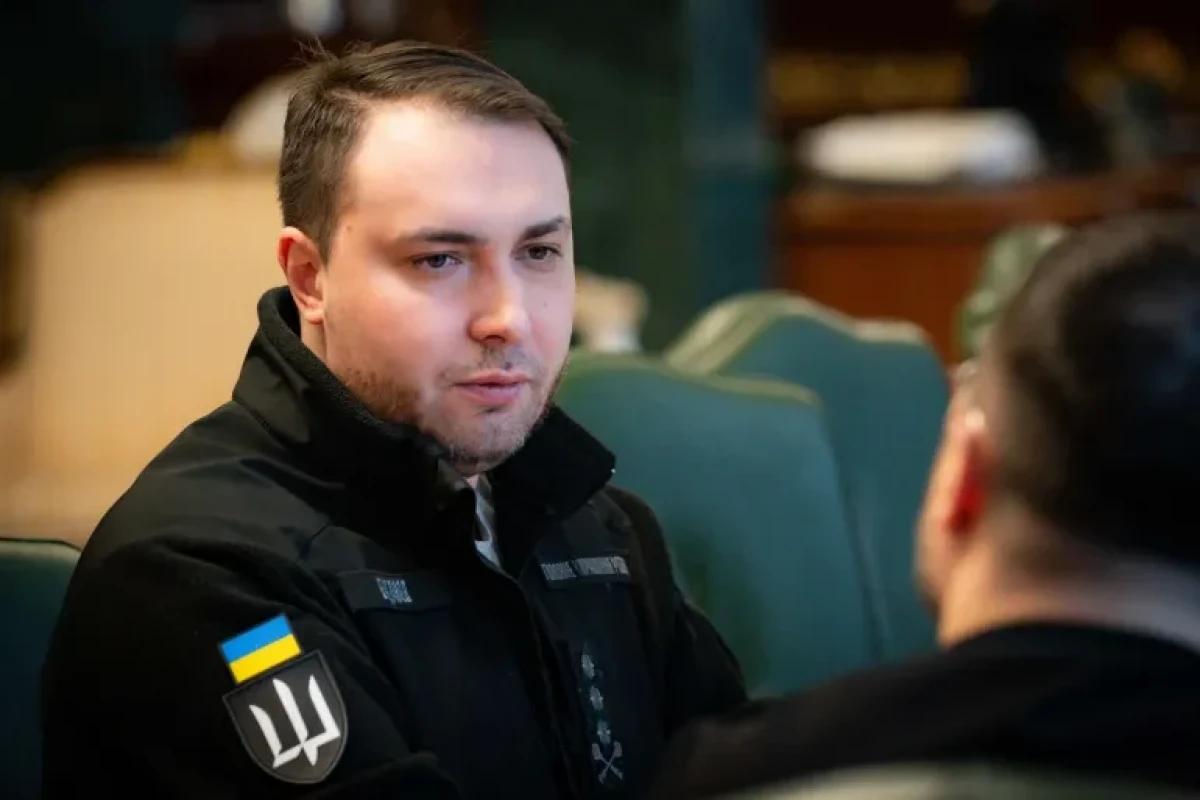
Zelensky presented the change as part of a broader reorganisation intended to sharpen Kyiv’s security focus and rebuild trust after personnel problems. Outlets describing the wider shake‑up also reported simultaneous appointments, most prominently Kyrylo Budanov to the presidential office. Together, these moves signal a shift toward security, defence development and diplomacy at a pivotal moment in the war.
“Zelenskyy named 39-year-old military intelligence chief Kyrylo Budanov as his new presidential chief of staff to sharpen focus on security, defense development and diplomacy.”
Contested political implications
The political implications are contested. Some outlets describe the move as a pragmatic security pivot amid intense fighting and stalled diplomacy.
Other commentators emphasize domestic political overtones, citing Yermak’s resignation, anti-corruption probes, and a debate over civilian versus military influence in the presidential office. Together, these developments raise questions about institutional balance and the role of parliamentary scrutiny.
Reshuffle and peace talks
Uncertainties remain about the parliamentary vote on Fedorov's confirmation. It is unclear who will fill the slot he would vacate as digital minister. Questions also surround where Denys Shmyhal will be placed.
“Kyiv and the United States are finalizing a 20-point, U.S.-brokered plan Zelenskyy says is '90 percent' ready.”
Observers are unsure how a shift toward intelligence and digital expertise in defence management will play out operationally. Observers noted the personnel moves occur as Kyiv and U.S. diplomats discuss a peace framework President Zelensky says is 90 percent ready. Some sources treat this context as an explanatory factor for the timing of the reshuffle.