Ukraine War10 December, 20253 min read
Zelensky Says He Will Hold Ukraine Elections If U.S. and Allies Guarantee Security
This article is an automated aggregation of coverage from news outlets. Our editorials offer in-depth analysis curated by the NewsCord team.
Zelensky will hold elections within three months if the U.S. and allies guarantee ballot security Zelensky reversed his previous stance that wartime martial law made elections impossible

11 outlets told this the same way.
Outlets did split on Russian Attack Kills At Least 33 On Two Buses In Kramatorsk →
Conditions for Ukraine Election
Ukrainian President Volodymyr Zelensky said he would be prepared to hold presidential elections within roughly 60-90 days if the United States and European allies can guarantee the security of voters and polling places and if Ukraine's parliament amends laws that currently bar wartime ballots.
“Ukrainian President Volodymyr Zelensky said in Rome he is prepared to hold presidential elections in the next few months despite the country being at war, provided Kyiv’s Western allies can guarantee security and Ukraine’s parliament amends laws that currently bar elections under martial law.”
He framed the offer as conditional on concrete security guarantees from Western partners and legal changes at home to allow voting under exceptional circumstances.

Zelensky on election accusations
Zelensky made the declaration amid heightened international scrutiny after former U.S. President Donald Trump suggested Kyiv might be using the war to delay elections.
Several outlets recorded Zelensky rejecting such accusations and stressing that the decision belongs to Ukrainians.
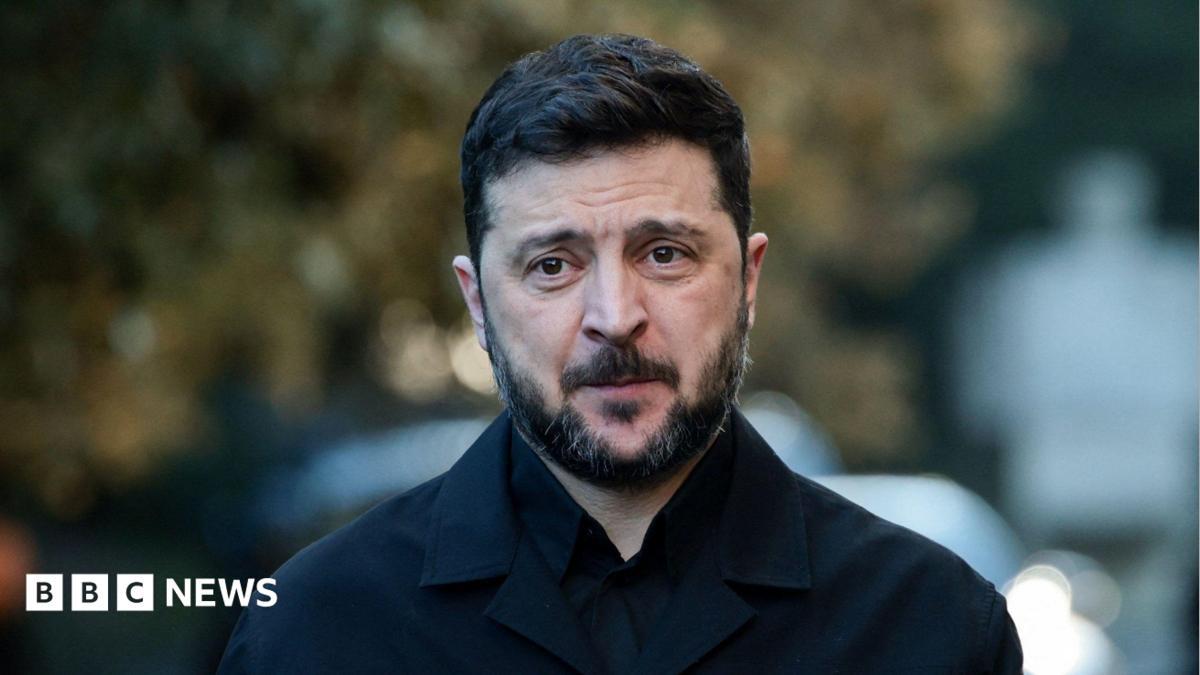
Novaya Gazeta Europe noted he rejected suggestions—made by Donald Trump in a POLITICO interview—that he is clinging to power.
WION reported he pushed back against Trump's suggestion and emphasized that the choice belongs to Ukrainians.
The Isle of Wight Candy Press also recorded Zelensky rejecting claims he is clinging to power and framed the statement as a response to Trump's call for new elections.
Obstacles to wartime elections
Outlets highlight major legal and practical obstacles to holding a credible vote during an active war. Several sources note that Ukrainian law bars elections under martial law and that President Zelensky has asked parliament to change the law.
Newser reports wartime elections are banned and that Zelensky is seeking new legislation, while The Globe and Mail and Isle of Wight Candy Press mention the ban and the suspension of his re-election under martial law. WION and Newser list logistical problems — soldiers at the front, millions displaced abroad, and concerns about polling-place safety — which critics say would make a fair vote effectively impossible without extraordinary provisions.
Media framing of Zelensky offer
Sources diverge on how they situate the announcement politically. The Globe and Mail and Newser present Zelensky’s offer while stressing the legal and constitutional context. The Globe and Mail also noted he reiterated he will not cede territory to Russia.
Western alternative outlets such as Новая газета Европа and WION emphasize the confrontational element, reporting that Moscow and Trump have questioned Zelensky’s legitimacy and highlighting his direct rebuttal. Isle of Wight Candy Press underscores that no evidence has been presented that Kyiv is prolonging the war to retain power.

Al Jazeera frames the factual elements — that the term expired and a wartime ban applies — in a neutral tone. These differences reflect source-type tendencies: mainstream outlets foreground legal and constitutional framing, alternative outlets highlight political confrontation, and regional outlets aim for concise factuality.
Zelensky's offer and risks
Zelensky’s public offer is conditional and politically consequential, but its feasibility remains unclear. He has asked Western partners for concrete security guarantees and parliamentary changes. Outlets agree on that point but diverge on tone and emphasis, and several warn of practical barriers that could render a rapid vote unfair or unworkable.
“He asked the US and European partners to help ensure a safe electoral process.”
No source provides evidence that Kyiv is deliberately prolonging the war to avoid elections. Reporting shows both political pressure (from Trump and others) and legal impediments that would need to be addressed before an election could credibly proceed.
