Ukraine War17 November, 20252 min read
Zelensky Signs Deal With Macron To Buy Up To 100 French Rafale Warplanes
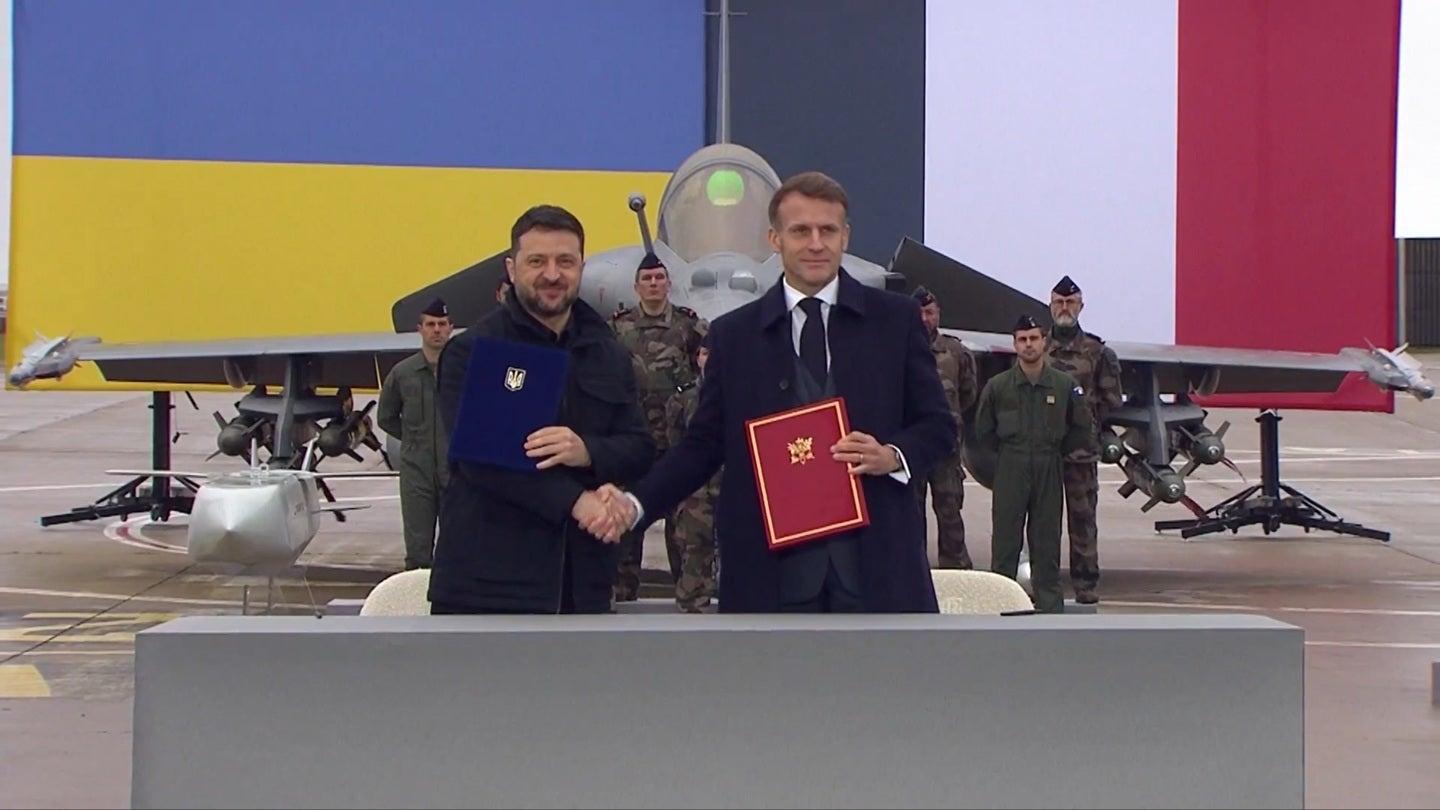
Zelensky and Macron signed letter of intent for Ukraine to buy up to 100 Rafales. Agreement is a non‑binding, political letter of intent envisaging deliveries across about ten years.
47 outlets told this the same way.
Outlets did split on Russian Attack Kills At Least 33 On Two Buses In Kramatorsk →
Franco-Ukrainian defence agreement
On Nov. 17 at France’s Villacoublay airbase, Ukrainian President Volodymyr Zelensky and French President Emmanuel Macron signed a non-binding letter of intent.
“France and Ukraine signed a letter of intent for a major 10‑year defence partnership that would provide Ukraine with up to 100 Rafale F4 fighter jets, advanced air‑defence systems, strong French radars, eight air‑defence units and other weaponry.”
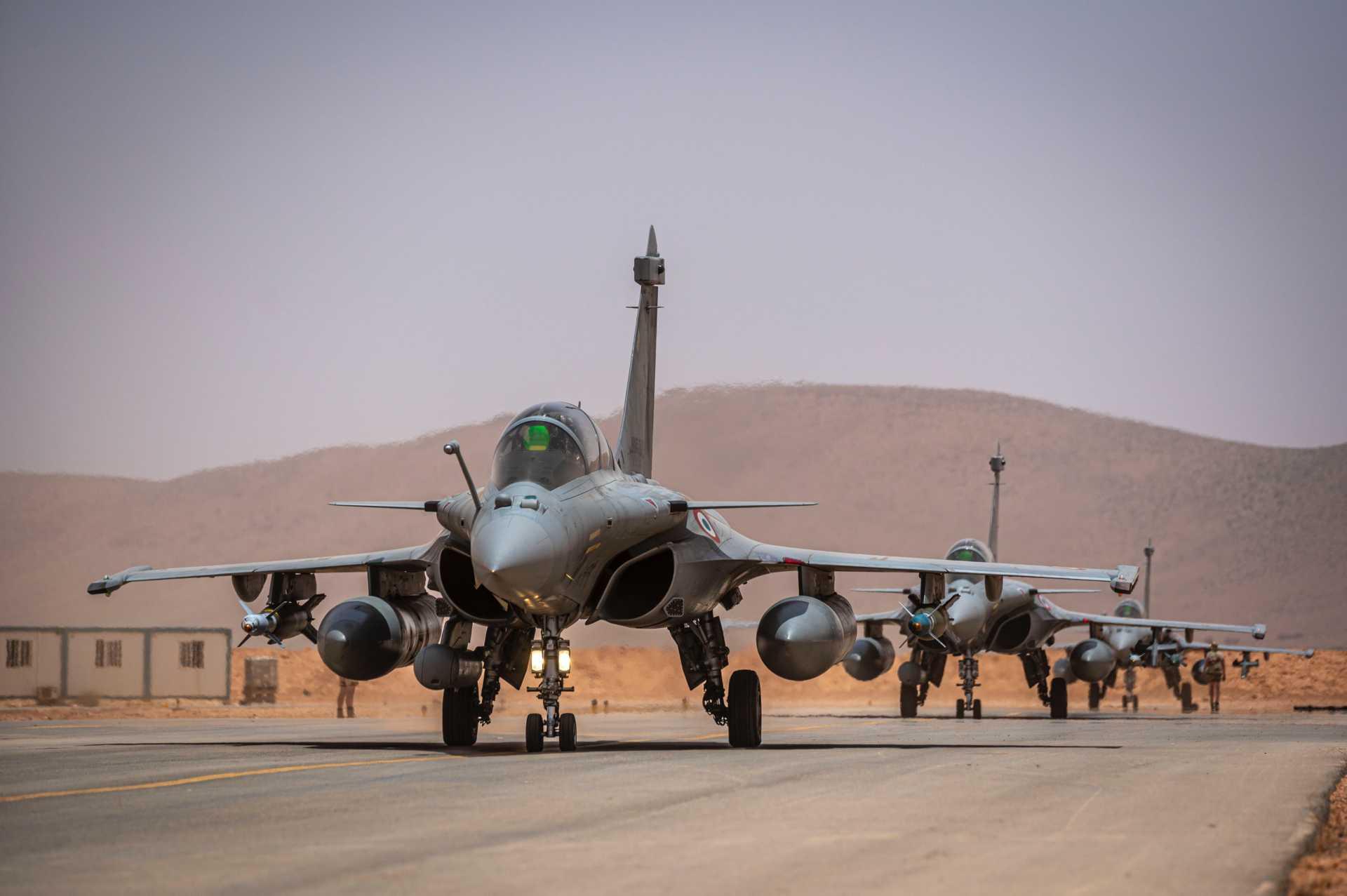
The declaration opens the way for Ukraine to acquire up to 100 Dassault Rafale F4 fighters and advanced air-defence systems, radars, missiles, bombs and drones as part of a roughly 10-year strategic framework.
Leaders and many media outlets described the signing as a historic or major step in Franco-Ukrainian defence cooperation, though the agreement is political rather than a binding sales contract.
The accord was presented as aimed at rebuilding and modernising Ukraine’s air force and strengthening its defences against intensified Russian missile and drone attacks.
LOI equipment timeline
The LOI's equipment list and timing vary by report. Many sources say the package includes Rafale F4 fighters, next-generation SAMP/T air-defence systems, radars, air-to-air missiles, guided bombs and multiple drone programs. Several outlets cite either a 10-year horizon or a delivery completion target around 2035, while others suggest some systems or initial deliveries might begin sooner, and France's Élysée has left open whether jets would come from French stocks or be newly produced for Ukraine.
France-Ukraine defence cooperation
Beyond aircraft, the LOI foregrounds industrial cooperation. French and Ukrainian firms are to pursue joint projects, co-production and drone development. France said it would prioritise next-generation SAMP/T systems for Ukraine.
“France and Ukraine signed a Letter of Intent to supply and co‑develop air‑defence equipment — including next‑generation SAMP‑T systems (still in development), radars and drones — to be implemented over about 10 years.”
The leaders discussed creating a multinational 'Coalition of the Willing' to prepare forces and assets for long-term support and possible post-ceasefire deployments. Reports say dozens of countries have offered to participate.
France-Ukraine aircraft deal
The agreement carries immediate economic and political signals, but it also imposes constraints. Reports say France will seek financing routes, including EU programmes and possibly frozen Russian assets, to fund the purchases. Dassault's share price rose on the announcement.
Analysts and some Western outlets cautioned the LOI is a long-term political framework unlikely to transform the battlefield overnight. Ukraine faces a complex task integrating new aircraft types into its mixed fleet amid pilot training, maintenance, and logistics challenges.
Rafale procurement challenges
Many reports highlight key caveats and operational challenges, noting the letter of intent (LOI) is non‑binding and that follow‑on contracts, technical agreements and financing still need negotiating. Ukraine lacks Rafale pilots and will require extensive training, spare parts and logistics support.
“Zelenskyy reportedly said Ukraine seeks 100 Rafales, and later posted they would be delivered 'by 2035,' suggesting a possible mix of in‑service aircraft and new builds.”
Limited production capacity and competing export backlogs mean deliveries could be years away. Analysts urge Kyiv and its partners to prioritise urgent air‑defence needs even as they plan long‑term fleet modernisation.