Zelensky Urges EU Leaders to Approve Multi-Billion Euro Loan Backed by Frozen Russian Assets Before Year-End

Zelensky Urges EU Leaders to Approve Multi-Billion Euro Loan Backed by Frozen Russian Assets Before Year-End

18 December, 202527 sources compared
Ukraine War

Key Points from 27 News Sources

  1. 1

    Zelensky urged EU to approve use of frozen Russian assets for a loan before year-end

  2. 2

    Plan would use about €210 billion frozen Russian assets to back roughly €90 billion loan

  3. 3

    Belgium and other EU states resisted, citing legal risks and demanding guarantees against Russian retaliation

Full Analysis Summary

Ukraine emergency funding appeal

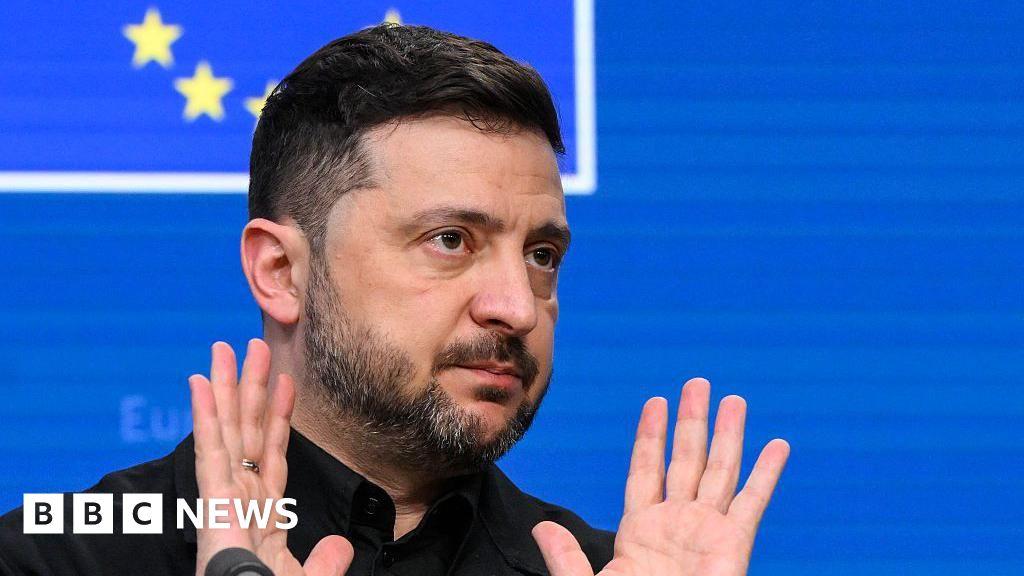
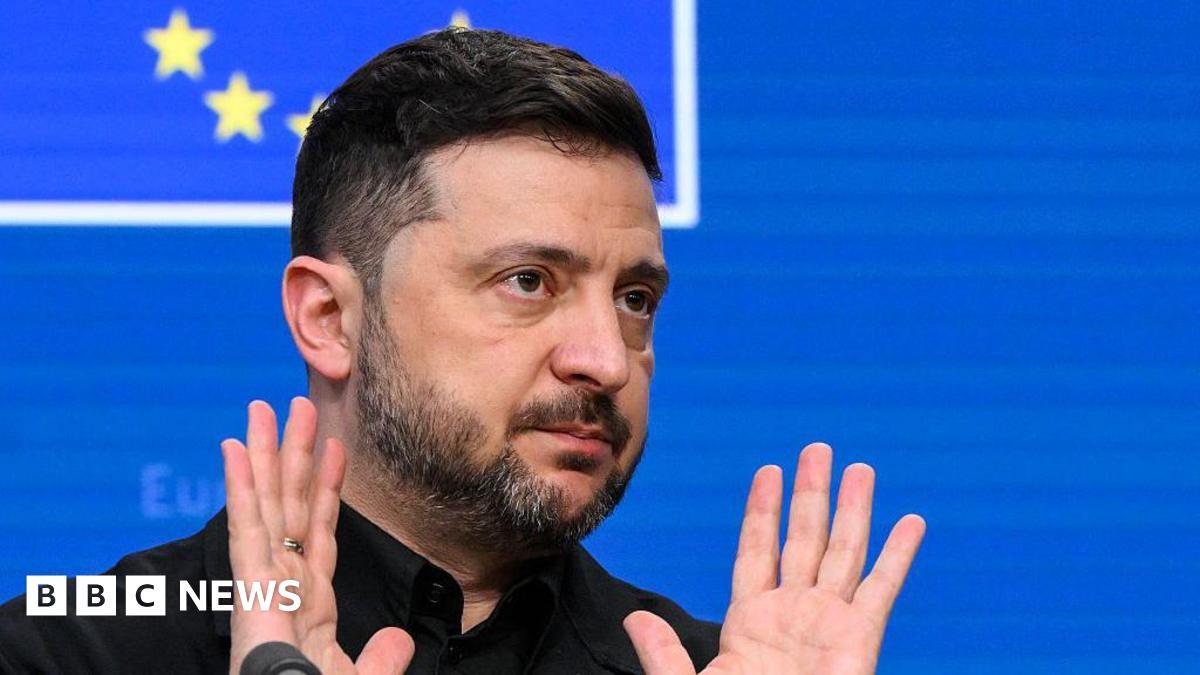
Ukrainian President Volodymyr Zelensky urged EU leaders at an emergency Brussels summit to approve a multi-billion euro loan backed by frozen Russian assets before year-end.

He warned Kyiv faces an acute financing gap and could run out of cash within months.

The European Commission proposed using part of roughly €210bn in frozen Russian assets to lend about €90bn to Ukraine over two years to cover much of Kyiv's projected 2026-27 needs.

Zelensky stressed urgency, saying Kyiv is 'months from running out of cash' and that without early tranches Ukraine might have to cut drone production.

EU leaders signalled urgency and cautious optimism, with Commission chief Ursula von der Leyen saying a 'solution would be found at the summit.'

Coverage Differences

Tone and emphasis

Western mainstream sources (BBC, The Independent) emphasize Zelensky’s warning about imminent cash shortfalls and quotes from EU leaders urging a solution, presenting an urgent, security‑focused framing. West Asian outlets (Al‑Jazeera Net) combine the funding urgency with broader geopolitical reporting (sanctions, shipping blacklists and stalled peace talks). Other local outlets (Arise News) stress the same urgency but highlight procedural details such as how much of the assets are immobilised in Euroclear. Each source mostly reports the same factual claims but emphasises different implications: immediate battlefield risk vs. geopolitical and diplomatic context.

Using frozen assets for loans

The Commission's plan would use immobilised Russian sovereign assets, around €210bn held across the EU and largely at Belgium's Euroclear, as backing for loans to Ukraine.

It would back roughly €90bn in loans over two years and operate like a 'reparations'-style lending mechanism without formally confiscating the reserves.

Under the proposal, the loans would only be repaid if Russia pays reparations.

Proponents argue this is the only realistic route that can pass by qualified majority.

Legal and technical hurdles are acute: Euroclear's exposure, questions about replacing frozen holdings with EU-issued bonds, and Russia's already-launched lawsuits complicate implementation.

Coverage Differences

Legal framing vs mechanism detail

Some outlets (Indian Express, tovima) focus on the legal design — describing the reparations loan as issuing EU bonds ‘without confiscating’ the assets and stressing repayment contingent on Russian reparations. Other outlets (Arise News, Moneycontrol) underscore the practical status of the assets (how much is ‘converted to cash’ and where it sits) and the immediate operational risks (lawsuits, ratings actions). These are complementary but highlight different fault lines: legal basis vs technical/market consequences.

EU summit funding impasse

Political obstacles at the summit are centred on Belgium’s exposure as the custodian of most immobilised assets.

There are demands for legal and liquidity guarantees that other states find hard to accept.

Hungary’s veto power over any EU-budget-backed route is another key blockage.

Belgian Prime Minister Bart De Wever has pressed for 'full and unlimited' solidarity or other protections.

Hungary’s Viktor Orbán has said he will block use of the EU budget.

Some governments are exploring 'enhanced cooperation' among willing states to get around unanimity requirements.

Coverage Differences

Focus on domestic political leverage vs collective solutions

Western mainstream outlets (fakti.bg, ProtoThema English, The Independent) highlight Belgium’s bargaining position and specific demands (liability mutualisation) and note Hungary’s veto threat. Other analyses (tovima, RBC‑Ukraine) add that Italy and Germany back differing technical fixes like enhanced cooperation or national offers to cover risks. The differences reflect whether reporting emphasises single‑country leverage (Belgium) or the range of institutional workarounds under consideration.

Frozen reserves dispute

Moscow’s response has been hostile.

Russia denounced proposals to use frozen reserves as 'theft', launched lawsuits against Euroclear, and warned of retaliation.

Ratings agencies and market observers flagged immediate financial risks, including Fitch placing Euroclear on negative watch.

Russian legal action complicates the Commission’s timeline and underpins Belgium’s demand for risk mutualisation.

Some analysts warned that repurposing sovereign reserves could deter foreign investors and unsettle global confidence in Europe as a safe custodian.
Coverage Differences

Framing of Russian reaction and market risk

Some outlets (The Indian Express, tovima) emphasise Moscow’s rhetorical framing (‘theft’) and legal countermeasures, while financial‑focused outlets (Moneycontrol, Arise News) stress market consequences like lawsuits and ratings action (Fitch negative watch). West Asian and Western mainstream sources present the combination of legal threats and market risk but differ in intensity: some stress possible geopolitical retaliation, others highlight technical/legal litigation.

EU summit on Ukraine aid

Outlook at the summit remained uncertain as EU leaders urged urgency while weighing a delicate trade-off between speed and legal and financial safeguards.

Alternatives include joint EU borrowing backed by the budget, which would require unanimity and risks a Hungarian veto.

Another option is smaller groups of states using enhanced cooperation to issue debt.

U.S. engagement and converging diplomatic moves, including reported planned talks between U.S. and Russian envoys, add external pressure.

Sources differ on the probability of success—Kaja Kallas and others put the odds at about 50/50—but most agree a timely decision is pivotal for Ukrainian defence and the EU's wider security posture.
Coverage Differences

Assessment of prospects and external context

Western mainstream (BBC, Washington Post) emphasise the urgency and diplomatic tightrope with the U.S. and Russia, while West Asian and regional outlets (Al Jazeera, Arise News) also underline broader sanctions moves and diplomatic talks. Some local outlets (fakti.bg, tovima) focus on the internal EU negotiating mechanics and who supports what. The variance is less about core facts and more about which implications are highlighted — geopolitical signalling, legal precedent, or institutional reform.

All 27 Sources Compared

Al Jazeera

EU summit on knife-edge over plan to fund Ukraine using Russian assets

Read Original

Al-Jazeera Net

Germany is supporting Ukraine with Russian money. Zelensky: There is no peace document yet.

Read Original

Arise News

EU Leaders Weigh Loaning Frozen Russian Assets To Ukraine At Crucial Brussels Summit

Read Original

BBC

Zelensky gives stark warning as EU leaders decide on Russia's frozen assets

Read Original

BBC

Zelensky gives stark warning as EU leaders decide on Russia's frozen assets

Read Original

Centre for European Reform (CER)

The Ukraine Reparations Loan: How to fix Europe's financial plumbing

Read Original

EconoTimes

Zelenskiy Urges Allies to Use Frozen Russian Assets as EU Summit Nears

Read Original

El Mundo

Ukraine-Russia war, live updates | Von der Leyen: 'I will not leave the EU summit without a solution for financing Ukraine'

Read Original

Euronews

Live - EU leaders debate revised version of reparations loan for Ukraine

Read Original

fakti.bg

Euractiv: Brussels considers compromise loan for Ukraine from €90 billion of frozen Russian assets

Read Original

Harrison Daily

Belgium demands ironclad guarantees of protection as EU leaders weigh a massive loan for Ukraine

Read Original

Kyiv Post

US Senators Press Belgium to Unlock Frozen Russian Cash for Ukraine

Read Original

LIGA.net

The Guardian: Russia's intelligence services intimidate Belgian officials to preserve their assets

Read Original

Modern Diplomacy

Why Ukraine’s Economy Hinges on the EU’s Frozen Russian Assets Loan

Read Original

Moneycontrol

Why Europe’s unprecedented plan to use frozen Russian assets is so controversial

Read Original

NST Online

EU leaders face crunch decision on using frozen Russian assets for Ukraine

Read Original

ProtoThema English

EU leaders discuss use of frozen Russian assets to support Ukraine

Read Original

RBC-Ukraine

European Commission persuading Belgium to agree to reparations loan for Ukraine - Politico

Read Original

Sky News

Ukraine war latest: 'Breakthrough' hailed at vital EU meeting - as Zelenskyy tells doubters: 'We have bigger risks'

Read Original

The Independent

Ukraine war latest: Poland hails ‘breakthrough’ at EU meeting on Russian assets

Read Original

The Indian Express

EU meet underway to decide whether to use Russia’s frozen assets to fund Ukraine’s defence: Check who’s against

Read Original

The Irish Sun

€210bn in frozen Russian assets must be used to rebuild Ukraine, says Martin

Read Original

The Moscow Times

EU Convenes for High-Stakes Summit on Tapping Russian Funds for Ukraine

Read Original

The Worcester News

Belgium demands ironclad guarantees of protection as EU considers Ukraine loan

Read Original

tovima

EU Debates Ukraine Reparations as Russia Threatens to Sue European Banks

Read Original

Uzalendo News

EU Leaders to Decide on Loaning Frozen Russian Assets to Ukraine

Read Original

Washington Post

A divided E.U. races against time to tap Russian assets for Ukraine

Read Original