Ukraine War28 November, 20252 min read
Zelenskyy Fires Yermak Amid Corruption Probe Over Energy Scandal
This article is an automated aggregation of coverage from news outlets. Our editorials offer in-depth analysis curated by the NewsCord team.
Andriy Yermak resigned after anti‑corruption investigators searched his Kyiv apartment and office Raids tied to a probe of an alleged $100 million kickback scheme in the energy sector
20 outlets told this the same way.
Outlets did split on Russian Attack Kills At Least 33 On Two Buses In Kramatorsk →
Yermak resignation and probe
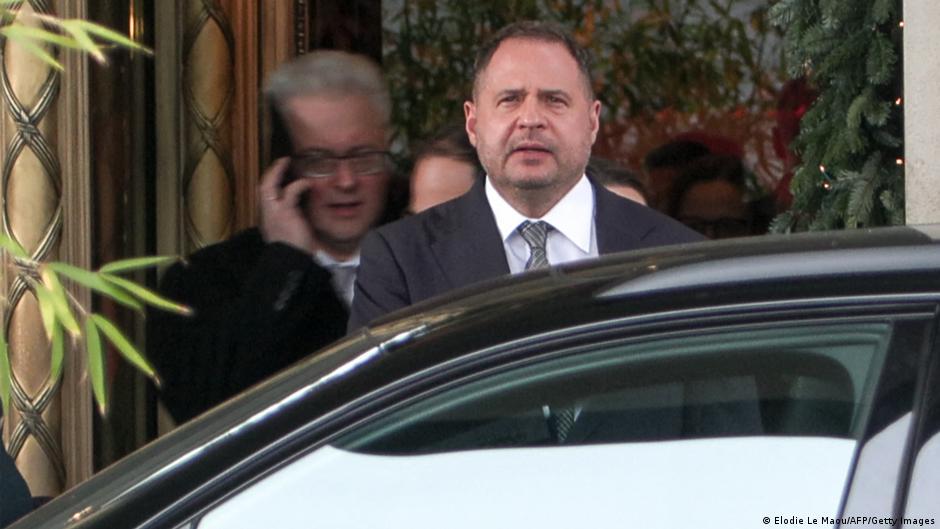
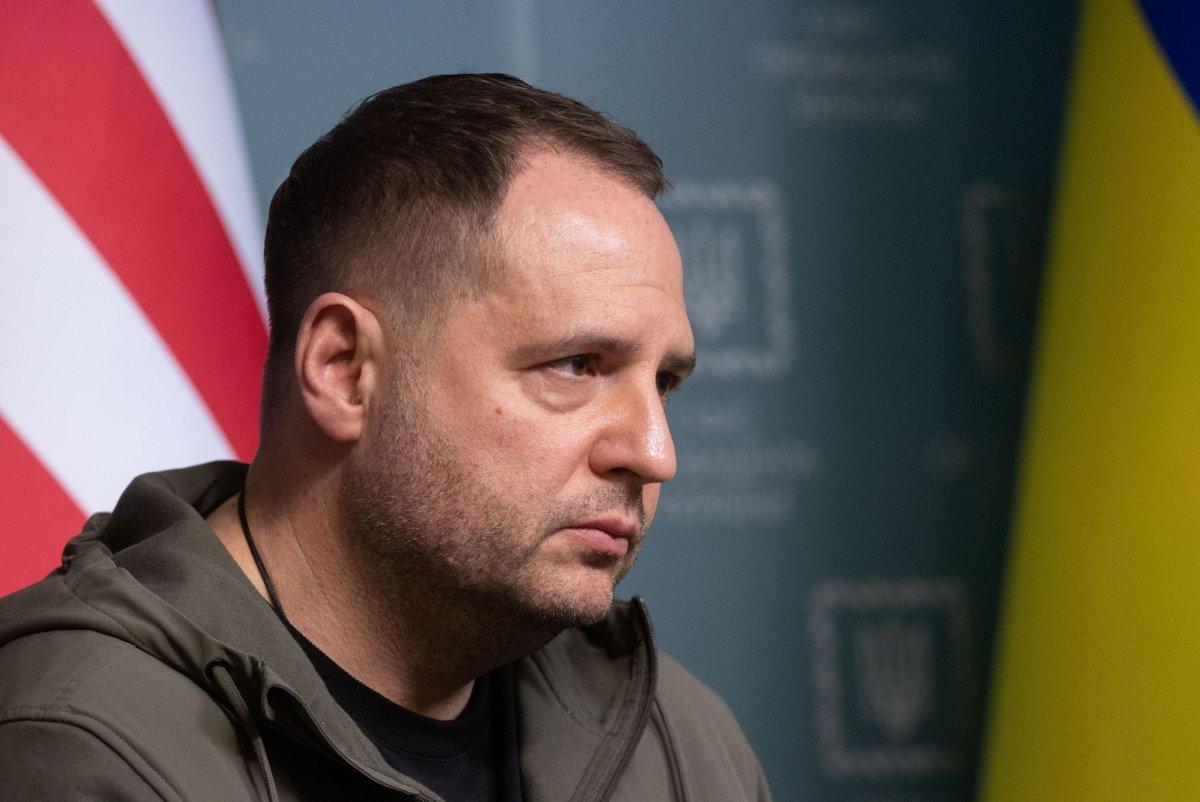
President Volodymyr Zelensky accepted the resignation of his powerful chief of staff Andriy (Andrii) Yermak. Investigators from the National Anti-Corruption Bureau (NABU) and the Specialized Anti-Corruption Prosecutor's Office (SAPO) searched Yermak's apartment in the Kyiv presidential compound and reportedly his office. Reports across outlets say Yermak has not been formally named a suspect and that he is cooperating with investigators.
“Andriy Yermak, 54, President Volodymyr Zelenskyy’s chief of staff since 2020, resigned Friday after investigators searched his home and reportedly his office in a corruption probe.”
The searches form part of a wider probe linked to alleged large-scale kickbacks in the energy sector. Media accounts note Zelensky described a 'reboot' or 'reset' of the presidential office as he consults on a replacement and seeks to limit political fallout.

Yermak departure affects diplomacy
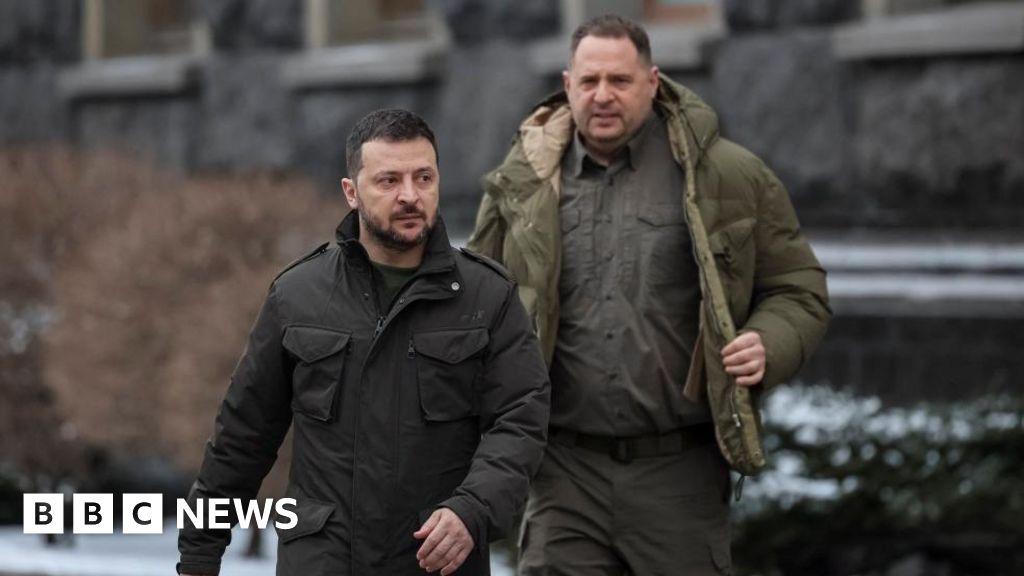
Yermak’s departure has immediate diplomatic and negotiating implications. Multiple outlets note Yermak was a close Zelensky ally who led Kyiv’s delegation in talks tied to a U.S.-backed peace effort.
His omission from upcoming negotiating teams and cancelled trips risks disrupting diplomacy at a sensitive moment. Zelensky said he will consult on a new chief of staff and temporarily shift negotiating responsibilities to military, diplomatic, and security officials to preserve unity and avoid perception problems that could undermine Ukraine’s position.
Energy-sector corruption probe
The probe at the center of the raids alleges large kickbacks tied to state energy contracts, particularly involving the nuclear operator Energoatom, with reporting repeatedly citing a roughly $100 million figure, though some outlets convert or report the headline number in local currencies.
The investigation, linked in coverage to businessman Tymur/Timur Mindich and secret recordings, has already prompted the resignations of at least two ministers and resulted in detentions and wider searches described by investigators as ongoing.
Ukraine domestic political fallout
Domestically, the affair has deepened political fault lines. Opposition parties and members of Zelensky's own faction called for accountability, and public anger over alleged corruption and infrastructure damage, including power outages, has been amplified. Commentators note the episode follows earlier presidential attempts to curb anti-corruption bodies that sparked protests.
Outlets report both that Yermak resigned to avoid fueling speculation and that polls and cross-party demands showed strong pressure for his removal. This underscores how anti-graft credibility is now central to Ukraine's political stability and Western support.

Geopolitical implications of scandal
International coverage ties the anti-corruption drive to broader geopolitical stakes. EU officials and donors are watching anti-graft progress as linked to accession and future support.
“Zelenskyy has begun a ‘reboot’ of his presidential office after chief of staff Andriy Yermak resigned amid an anti‑corruption probe, while several international developments — from EU asset debates to arrests and high‑level Russia visits — underscore wider tensions.”
Some outlets highlight awkward U.S. diplomacy around a leaked peace plan and backchannels, while Russian commentary has tried to exploit the scandal politically. Sources differ on which external thread they foreground: some stress EU accession and donor confidence, others emphasize U.S.–Russia diplomatic manoeuvres and Kremlin narratives, producing distinct tones about the scandal’s external implications.