Ukraine War09 December, 20252 min read
Zelenskyy Rejects U.S.-Backed Plan, Refuses to Cede Any Ukrainian Territory to Russia
Zelenskyy insists Ukraine will not cede any territory to Russia. Zelenskyy rejects a U.S.-backed peace proposal demanding territorial concessions and fresh elections.

24 outlets told this the same way.
Outlets did split on Russian Attack Kills At Least 33 On Two Buses In Kramatorsk →
Zelenskyy rejects land concessions
Ukrainian President Volodymyr Zelenskyy has publicly rejected a U.S.-backed proposal that would require Kyiv to cede Ukrainian territory, insisting Ukraine will not give up land. In a WhatsApp exchange with reporters he said Moscow "wants Kyiv to give up land but 'we...don't want to give up anything.'" He argued Ukraine has "no legal or moral right" to surrender land as part of a settlement.
“Ukrainian President Volodymyr Zelenskyy reaffirmed that Ukraine will not cede any territory to Russia, saying Moscow wants Kyiv to give up land but ‘we...don't want to give up anything.’ He made the remarks in a WhatsApp exchange with reporters, noting he is resisting pressure from the United States while seeking support from European partners.”
Zelenskyy has met with European leaders in London and elsewhere as he resists U.S. pressure. He is seeking stronger European backing while preparing a revised Ukrainian peace plan to present to Washington.

U.S. pressure on Ukraine
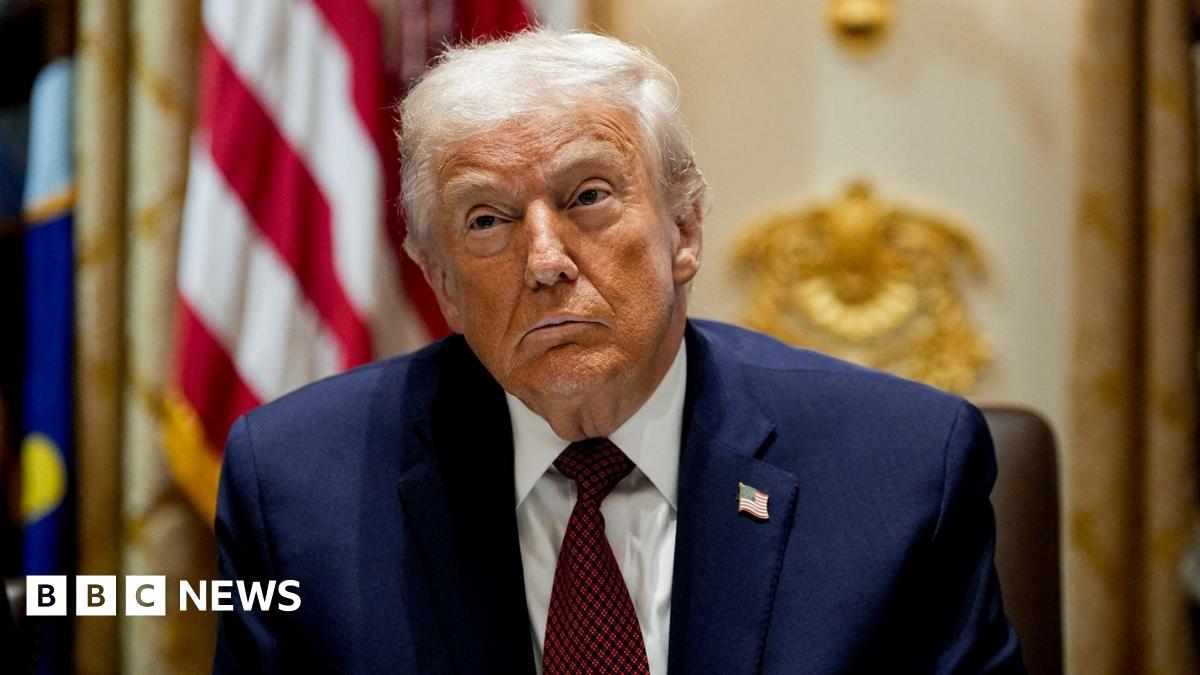
U.S. pressure, particularly from former President Donald Trump and envoys tied to a reported draft proposal, features prominently in many accounts. Reports say Trump urged Zelenskyy to "play ball" and claimed Russia holds the "upper hand". He suggested he could scale back U.S. support if Kyiv does not accept the proposal.
Some outlets say American envoys gave Zelensky only days to accept. Several sources describe Trump as alternating between pressure and praise. Some note U.S.-Ukraine negotiators remain divided over the plan’s central demand that Kyiv cede large parts of the Donbas.
European support for Ukraine
European leaders are portrayed across sources as strongly backing Ukraine’s refusal to cede territory and pressing for a just and lasting ceasefire that includes robust security guarantees. Reports show Zelenskyy met leaders from Britain, France and Germany in London and sought broader European unity. Several outlets record European leaders pushing back on any deal that would hand the Donbas to Russia.
“He also held talks in London with leaders from Britain, France and Germany as U.S. and Ukrainian negotiators finished three days of talks but remained divided over the key demand that Kyiv cede control of most of the Donbas, which Ukraine and its European allies oppose.”
Kyiv–Washington peace talks
Multiple sources report negotiations between Kyiv and Washington are stalled. Kyiv has prepared a revised peace plan to present to U.S. officials. The U.S. proposal reportedly would require Kyiv to give up control of much of the Donbas.
Outlets note the Donbas is largely occupied and comprises roughly 20% of Ukraine. Ukrainian and allied negotiators balk at the core demand to cede those areas.
Regional political implications
Analysts and reporting flag wider regional and political implications. European officials warn that a 'cheap ceasefire' forcing land concessions would be dangerous. Belarus and Russia have discussed coordinating nuclear-capable systems on Belarusian territory.
“Norway warned that a ‘cheap ceasefire’ forcing land concessions would be an ‘expensive peace’ for Europe and urged a coordinated U.S.-Europe-Ukraine negotiating position.”
Some outlets note the potential for elections and further diplomatic fallout. Coverage diverges: some emphasize the immediate diplomatic standoff and security guarantees, while others highlight domestic political pressure and the risk of an 'expensive peace' if territory is surrendered.