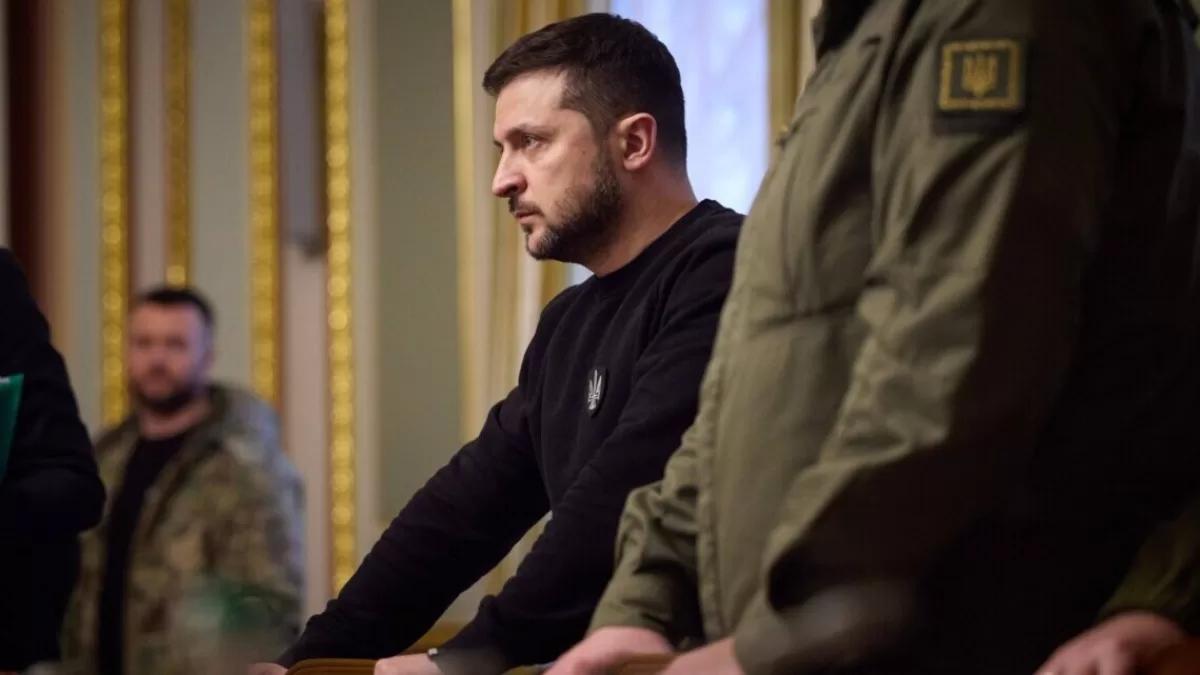
Zelenskyy Says Ukraine Can Surpass Russia in Technologically advanced Weapons Production
Key Takeaways
- Ukraine has reached long-term capacity to produce high-tech weapons surpassing Russia.
- Statement released after a Supreme Commander-in-Chief's Staff meeting on Telegram.
- Focus on long-term capability underscores sustained investment in defense production.
Zelenskyy backs production push
Ukrainian President Volodymyr Zelenskyy said Ukraine has reached the capability to produce a volume of technologically advanced weapons that, in the long term, it can surpass Russia’s capabilities.
“Wolodymyr Selenskyj relies in the conduct of the war on high-tech weapons produced in Ukraine and on strikes against targets in Russia”
Zelenskyy made the statement on Telegram after a meeting of the Supreme Commander-in-Chief's Staff, where defense production received the greatest attention and government officials met with Ukrainian arms manufacturers to discuss current needs.
RBC-Ukraine reported that Defense Minister Mykhailo Fedorov said the allocation of nearly UAH 1 billion for the production of Ukrainian explosives would go to six enterprises able to produce more than 7 tons of explosives per month.
RBC-Ukraine also said the discussions focused on administrative decisions and state funding required to further expand production, including Ukrainian drones of all types, unmanned ground systems, and electronic warfare systems.
Ukrinform reported Zelenskyy specified that the Staff reviewed capabilities for developing Ukrainian ballistic missiles and anti-ballistic missile systems and outlined steps to accelerate production, testing, and deployment.
Funding, sanctions, air defense
Ukrinform reported that after the Staff meeting Zelenskyy instructed the Foreign Ministry and the Defense Ministry to focus on work with partners that could secure additional funding for defense production, saying, "I expect concrete results – agreements with partners."
Ukrinform also quoted Zelenskyy linking pressure on Russia to sanctions and everyday impact, saying, "Investments in Ukrainian production are an investment in forcing Russia towards peace."
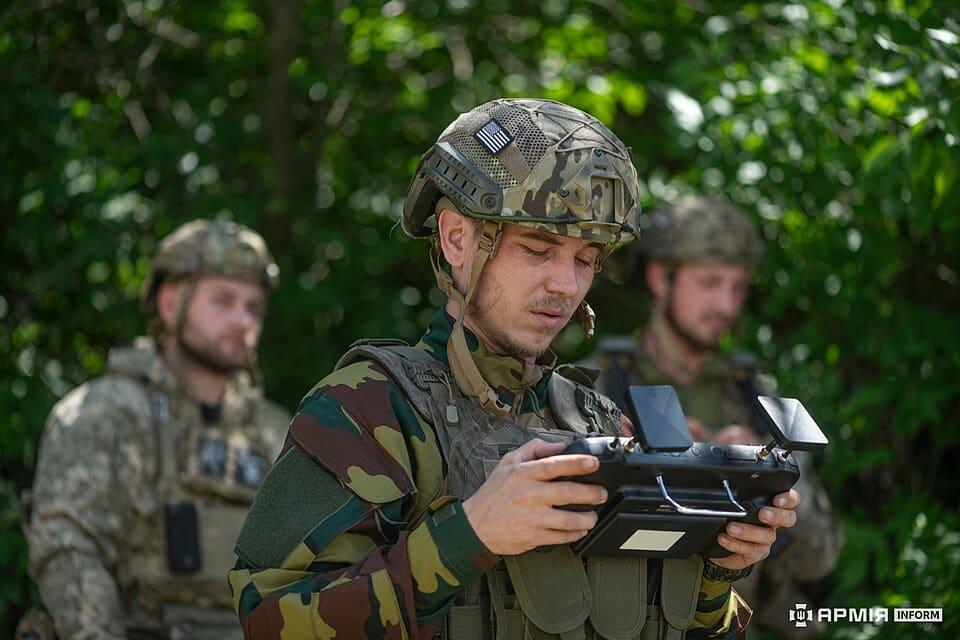
The same Ukrinform account said the meeting separately addressed the volume and timelines for delivering air defense systems that Ukraine requires on an almost daily basis, with Zelenskyy calling it the key priority across diplomatic work, meetings and negotiations.
news.liga.net reported Zelenskyy announced he had instructed the Ministry of Foreign Affairs and the Ministry of Defence to step up cooperation with international partners to secure additional funding for Ukrainian defense production.
Ukrinform added that Zelenskyy said the implementation of Ukraine's "long-range sanctions plan and medium-range sanctions" strategy has shown that limiting Russia's ability to wage war depends on making Russian society feel the war has a direct impact on everyday life.
Russia’s war footing questioned
Le Parisien said a study titled 'The Military Balance' published by the International Institute for Strategic Studies (IISS) asserts that after four years of conflict, Russia would be prepared, economically and in terms of manpower, to withstand a fifth year of war in Ukraine.
“In Ukraine, the Russian army is losing ground”
Le Parisien cited Bastian Giegerich saying there are today 'few indicators' that prove that 'Russia's ability to carry on its war against Ukraine into a fifth year is diminished,' and it said military spending has doubled in real terms since 2021.
The same Le Parisien account said the study’s only dark spot lies in human losses and recruitment difficulties, with Nigel Gould-Davies saying there are increasingly numerous signs indicating that Russia's recruitment rate was beginning to lag behind its monthly losses on the battlefield.
France 24 reported that Russia lost ground for the first time since 2024 in April, according to a report by the Institute for the Study of War published on Tuesday, May 4, and it said the net loss amounted to only 0.002% of Ukrainian territory.
France 24 quoted Erik Stijnman saying it is "more a tactical retreat that fits into the current dynamics of the conflict" and quoted Ivan U. Klyszcz arguing that both sides test different points along the front line to probe defenses.
More on Ukraine War
Trump and Putin Meet at Elmendorf-Richardson Base in Anchorage to Discuss Peace in Ukraine
13 sources compared
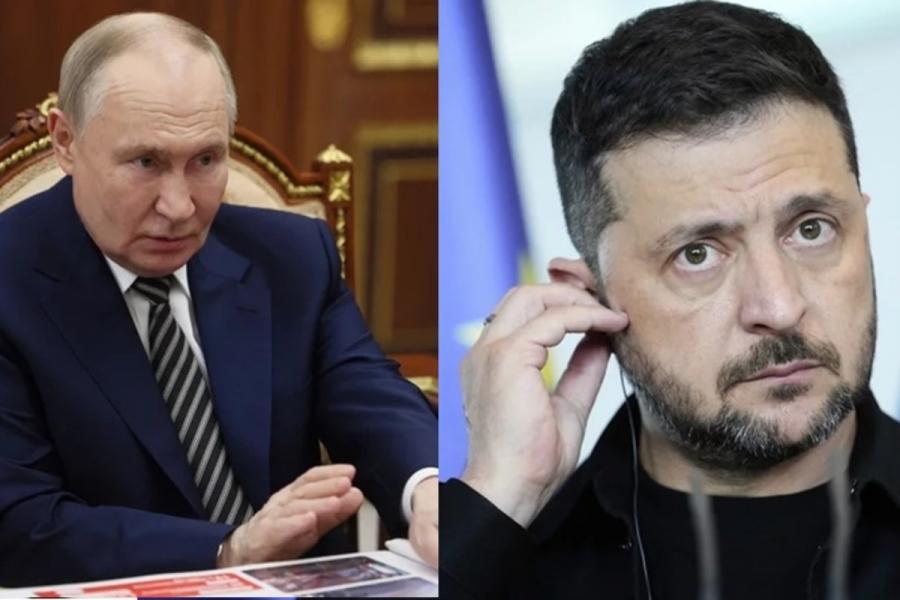
Ukraine Denies Russia Captured Kostiantynivka, Says City Remains Under Ukrainian Control
20 sources compared
Ukrainian Drones Strike St Petersburg Oil Terminal and Kronstadt Naval Base
24 sources compared
Ukrainian Night Attack Sets Sloviansk Refinery on Fire, Kills One, Euronews Says
14 sources compared