Ukraine War26 December, 20252 min read
Zelenskyy Travels to Florida to Meet Trump Over Near-Complete 20-Point Peace Plan
Zelenskyy will meet President Donald Trump in Florida on Sunday to discuss Ukraine security guarantees Zelenskyy says the 20-point peace plan is about 90% ready
12 outlets told this the same way.
Outlets did split on Russian Attack Kills At Least 33 On Two Buses In Kramatorsk →
Zelenskyy-Trump peace talks
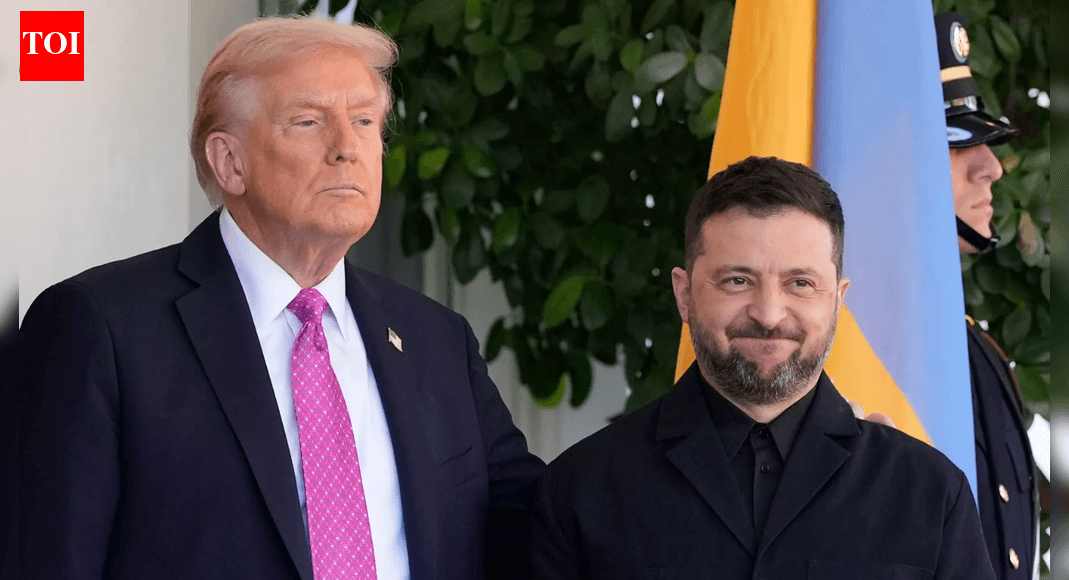
Ukrainian President Volodymyr Zelenskyy traveled to Florida to meet former U.S. President Donald Trump in what Zelenskyy and several outlets described as a high-level effort to advance a U.S.-backed, roughly 20-point peace plan that Zelenskyy said is "about 90% ready."
“Ukrainian President Volodymyr Zelenskyy said he will meet with former U.S. President Donald Trump in Florida on Sunday, signaling potential progress in U.S.-backed negotiations to end the nearly four-year war with Russia. Announcing the meeting on X and confirming it in a WhatsApp chat with journalists...”
Reports placed the meeting at Trump’s Mar-a-Lago estate over the weekend, with some outlets specifying Sunday or Dec. 28, and Zelenskyy framed the talks as progress toward ending the nearly four-year war with Russia.

The meeting follows recent discussions with U.S. envoys including Steve Witkoff and Jared Kushner, and was announced by Zelenskyy on social media and in chats with journalists.
Zelenskyy Peace Negotiations
Zelenskyy said the talks would focus on security guarantees, an economic agreement, and territorial issues tied to a 20-point draft peace plan he described as nearly complete. He also voiced a desire for European participation in the talks, though he expressed skepticism that such involvement could be arranged at short notice. The White House-backed diplomacy has included conversations with U.S. envoys and a slimmed-down draft plan Zelenskyy unveiled after trimming an earlier 28-point version, but major questions, including the status of Russian-held territories and the Zaporizhzhia nuclear plant, remain unresolved.
Ukraine-Russia negotiation stances
Zelenskyy has indicated he would consider limited troop withdrawals from parts of the east only if Russia did the same and the affected area became a demilitarised zone under international monitoring, a conditional concession Kyiv frames as reciprocal and contingent.
“Zelenskyy has signaled willingness to withdraw troops from parts of the eastern industrial heartland if Russia also pulls back and the area is demilitarized under international monitoring...”
Moscow, by contrast, continues to press for Ukraine to cede remaining Donbas territory, a demand Ukrainian officials reject, and Russian officials have described the talks with Washington as 'slow but steady' even as Moscow's core territorial demands appear unchanged.
Diplomatic talks and scepticism
Diplomatic choreography includes active U.S. involvement: Zelenskyy credited a 'good conversation' with U.S. special envoy Steve Witkoff and Jared Kushner. Outlets report U.S. and Russian envoys have been in contact as the documents circulate.
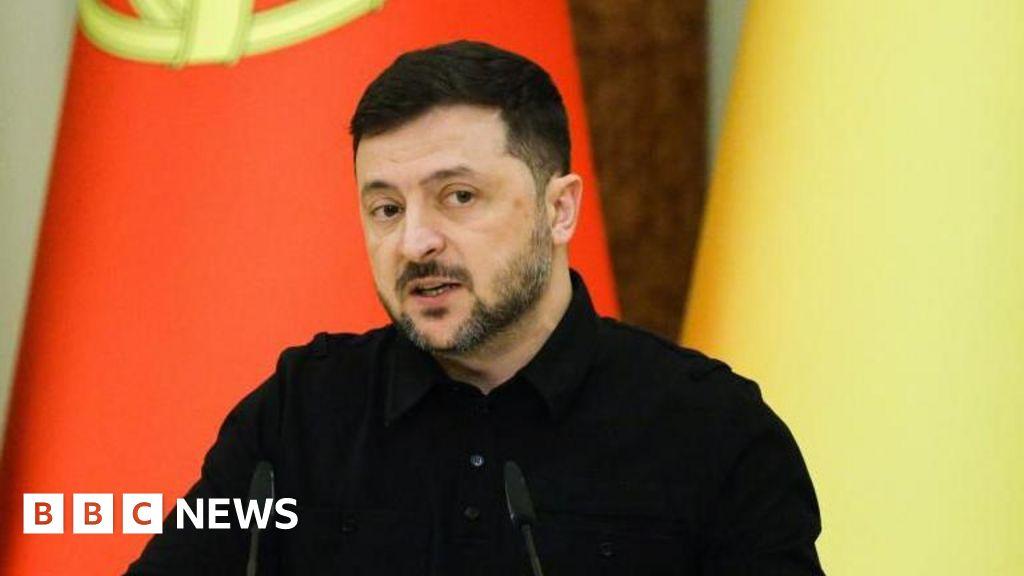
Reporting differs on how close an agreement is, with many outlets repeating Zelenskyy's characterization that the 20-point plan is about 90% complete. Others caution that finalisation is uncertain and that previous peace efforts have failed, leaving room for scepticism about whether a meeting in Florida will produce binding outcomes.
Florida meeting implications
Observers warned the meeting's outcomes, if any, could have wide implications for European security, NATO and global energy markets. Core sticking points, notably Moscow's demand for Donbas territory and the fate of Russian-held infrastructure, would require Moscow's agreement to be resolved. Several outlets concluded that while the Florida meeting represents a significant diplomatic moment and could move negotiations forward, essential differences between Kyiv's conditional concessions and Moscow's maximal demands mean scepticism about a quick settlement is warranted.
“Progress is hampered by starkly conflicting demands: Zelenskyy said he would consider withdrawing troops from parts of the east if Russia also pulled back and the area became a demilitarized zone under international monitoring, while Moscow has demanded Ukraine cede remaining Donbas territory.”