Ukraine War17 December, 20253 min read
Zelenskyy Urges EU Leaders to Commit Weapons and Funding for Ukraine's Defence Ahead of Key Decision
EU leaders met to decide loaning roughly €90bn of frozen Russian assets to Ukraine Zelenskyy urged EU leaders to commit weapons and funding for Ukraine's defense
10 outlets told this the same way.
Outlets did split on Russian Attack Kills At Least 33 On Two Buses In Kramatorsk →
EU summit on Ukraine aid
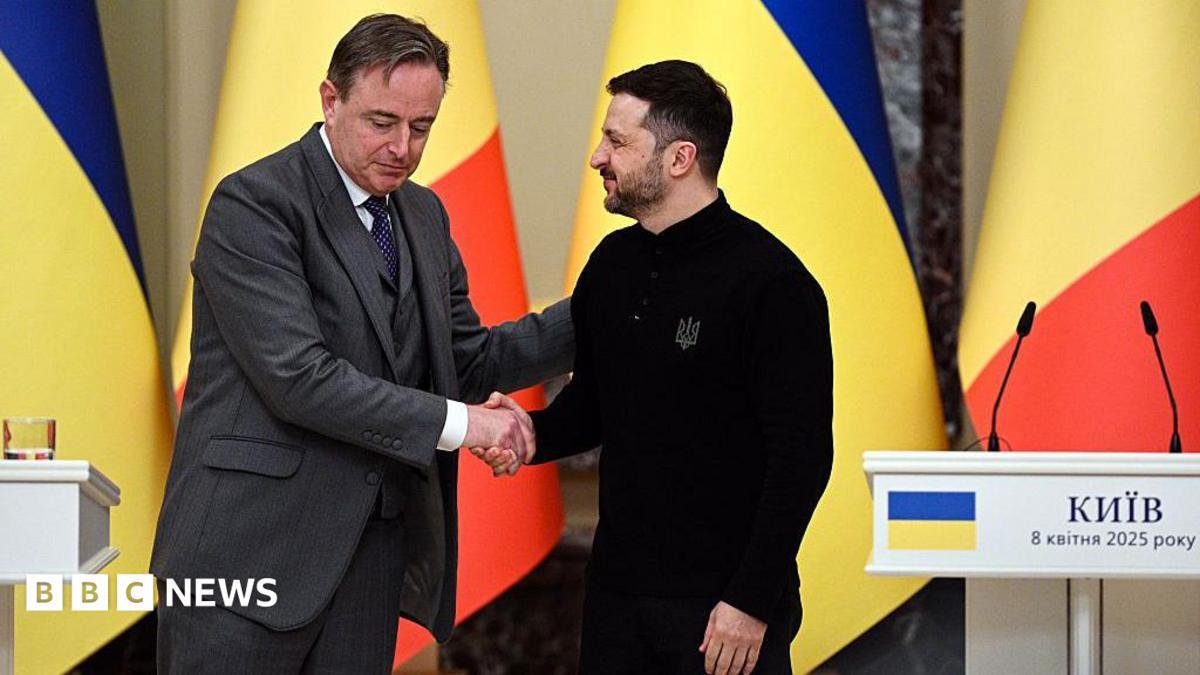
President Volodymyr Zelenskyy travelled to Brussels as EU leaders met to decide whether to commit major weapons and funding to Ukraine’s defence. He pressed partners to strengthen Kyiv in case Russia refuses to stop fighting and warned Moscow appears prepared for another year of war. The summit’s decision is portrayed as urgent and potentially decisive for Ukraine’s ability to hold the line.
“EU leaders are meeting in Brussels to decide how to fund Ukraine’s defence, as President Volodymyr Zelenskyy warns Russia appears prepared for another year of war.”
Sky News reports the immediate context, saying "EU leaders are meeting in Brussels to decide how to fund Ukraine’s defence, as President Volodymyr Zelenskyy warns Russia appears prepared for another year of war." The BBC frames the meeting around a concrete proposal to lend part of "roughly €210bn in Russian assets frozen in the EU."
El País argues Europe must "find a workaround so legislation doesn’t block an urgent political choice." Together, these pieces show Zelenskyy’s visit is timed to a high‑stakes decision that participants describe as critical for Ukraine’s short‑term survival.
EU debate on frozen assets
The central policy choice on the table is whether to lend or otherwise mobilise roughly €210bn of Russian assets frozen by the EU, a plan the European Commission supports but that faces notable dissent within the bloc. The BBC lays out the mechanics and divisions, noting Belgium and other states as holdouts and describing an alternative backed by Belgium to borrow on markets with the EU budget as guarantee.
El Mundo and El Mundo America stress the political backlash, quoting Hungary's Viktor Orbán calling the proposal a 'declaration of war' or 'an open declaration of war,' while El País warns that using frozen assets could undercut U.S. ceasefire efforts and be exploited by Moscow. Together the sources show a legal-financial plan entangled with sharp political disagreement among member states.

Battlefield reports and urgency
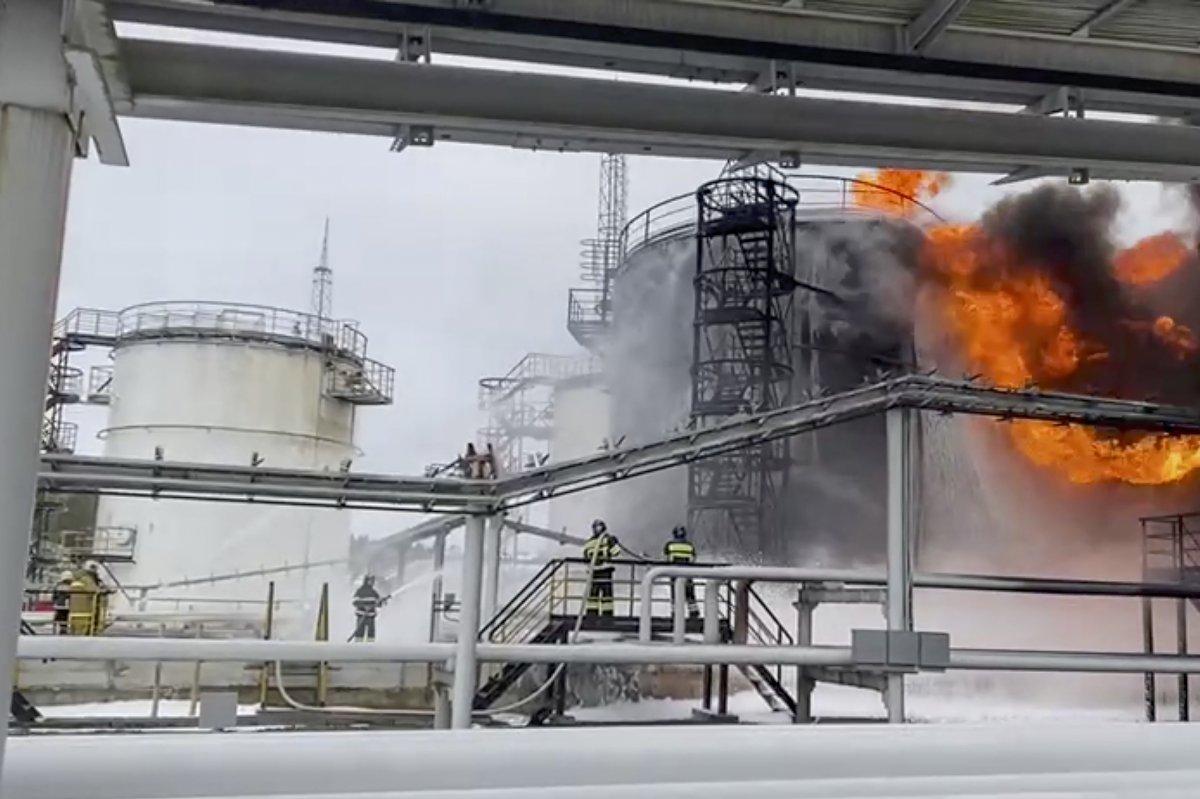
Multiple sources underline that the battlefield situation — including drone and missile strikes, frontline fighting and civilian casualties — is being used to press the urgency of the EU funding decision. France 24 details attacks and damage, saying "Russian guided-bomb strikes on Zaporizhzhia wounded 26 people and damaged homes, infrastructure and a school," and notes continued drone and missile attacks and casualties in Kyiv. Fakti.bg and El Mundo report Russian claims of repelling Ukrainian approaches around Kupyansk and of large numbers of drones being shot down.
“Russian guided‑bomb strikes on Zaporizhzhia wounded 26 people and damaged homes, infrastructure and a school; clearance operations are ongoing.”
Sky News highlighted cross-border incidents, saying "Three people were killed in recent Ukrainian drone strikes on a Russian port." The combined reporting shows both battlefield suffering and competing claims about tactical gains or repulses, reinforcing officials' warnings that Ukraine needs sustained support now.
Use of frozen assets
Several sources describe the legal, financial and diplomatic alternatives under consideration and the risks attached, underscoring why leaders view the decision as fraught. The BBC explains the mechanics and legal thresholds, including a plan to lend about €90bn over two years and the possibility of borrowing on markets backed by the EU budget. It also notes legal and financial risk warnings, including Euroclear being put on Fitch negative watch.
El País and El Mundo stress the political and diplomatic consequences of using frozen assets, with El País saying such a step could undermine U.S. efforts toward a ceasefire and El Mundo recording objections from a range of countries and leaders. France 24 adds that some reports say the US is urging some EU countries to drop the frozen-assets idea, reinforcing that diplomatic calculations extend beyond EU institutions.
Summit reactions and diplomacy
International reactions and political rhetoric around the summit were varied and pointed, reflecting national calculations and tones that observers say could influence the outcome. El Mundo and El Mundo America reported sharp language, with Orbán calling the move an "open declaration of war". France 24 described policy moves ranging from Norway's purchases of ammunition and Britain's $805m pledge to diplomatic caution voiced by Italy's Giorgia Meloni.
“Hungarian Prime Minister Viktor Orbán warned that EU plans to immobilize roughly €210 billion in frozen Russian assets and redirect them to Ukraine would be ‘a declaration of war’ likely to provoke strong Russian retaliation.”
Sky News and the BBC noted Zelenskyy's parallel diplomacy as he traveled to the US for talks and lobbied in Brussels, underscoring that the summit sits within a wider diplomatic push. Together, these accounts show concrete support packages and intense political debate shaping the EU's decision environment.
