Africa24 June, 20263 min read
Zimbabwe Senate Approves Bill Extending Emmerson Mnangagwa’s Term Until 2030
This article is an automated aggregation of coverage from news outlets. Our editorials offer in-depth analysis curated by the NewsCord team.
Constitutional amendments end direct presidential elections and extend Mnangagwa's term to 2030. Senate approved the amendments overwhelmingly, after National Assembly approval.
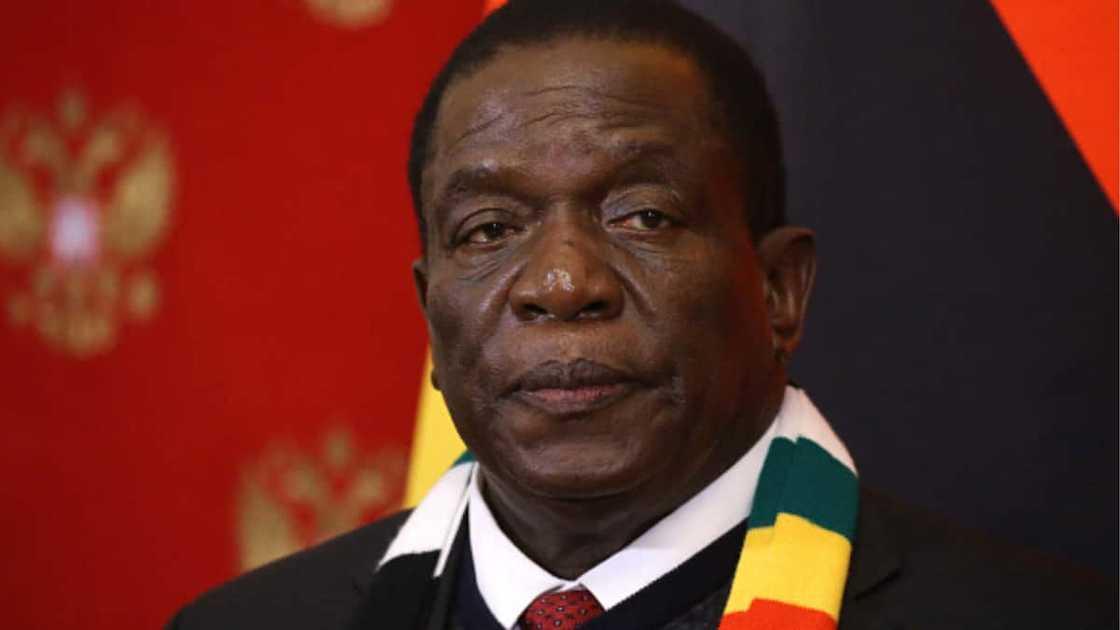
Mnangagwa term extended
Zimbabwe’s Senate approved a controversial constitutional amendment bill on Wednesday that could allow President Emmerson Mnangagwa to remain in office until 2030, after the proposal earlier secured approval from the National Assembly. Senate President Mabel Chinomona said 75 senators voted in favour and four opposed it, while the National Assembly had passed the measure on June 18 with 216 lawmakers supporting the proposal and 42 voting against it. The amendments would extend presidential and parliamentary terms from five years to seven years, and would also transfer the power to choose the president from direct public elections to parliament.
“75 senators voted in favour of the bill, while only four opposed it.”
The legislation will be forwarded to President Mnangagwa for assent before it can officially become law, with critics describing the changes as a “constitutional coup” and arguing they would significantly alter Zimbabwe’s democratic framework. Supporters of the amendment argue the reforms are necessary to promote political stability and policy continuity, and the bill’s passage has intensified debates over constitutional governance in the southern African nation.

Opposition, courts, HRW
Opposition figures and democracy advocates have criticised the proposed constitutional changes as an attempt to entrench the ruling party’s grip on power, with critics labelling the proposal a “constitutional coup”. Human Rights Watch said in a statement that “Over the last few months, the police and unidentified armed men have threatened, harassed, and beat up several people who are opposed to the proposed constitutional amendment,” as campaigners reported intimidation, arrests and violence. The Dhaka Tribune reported that legal challenges to stop or invalidate the amendment process have failed, while other coverage said courts are yet to rule on several legal challenges.
In comments carried by AFP, senior opposition figure and former senator David Coltart said the measures were an “effective breach” of constitutional provisions and argued they should be put to a national referendum. The Constitutional Court threw out on June 17 an earlier bid to challenge the amendment bill, saying it had no legal grounding, as prominent journalist Hopewell Chin’ono said on X that enactment would consolidate ZANU-PF’s hold on power.

What changes next
With parliamentary approval completed, the bill now awaits President Mnangagwa’s assent before it can become law, after the Senate approved the constitutional amendments on Wednesday. The amendments would remove direct presidential elections and replace them with selection by lawmakers, and they would also postpone the next presidential vote from 2028 to 2030 as described in coverage of the Senate action. The bill’s critics argue that extending presidential terms should be approved through a referendum, while Mnangagwa’s supporters counter that Parliament can enact the changes because the constitutional two-term limit would remain intact even if each term becomes longer.
Several reports said critics of the bill have faced arrest and detention, while others alleged harassment and intimidation, and the political tensions in Zimbabwe have heightened as the legislation moves toward final signature. Mnangagwa, nicknamed “The Crocodile,” has been in power since 2017 after a military-backed coup ousted Robert Mugabe, and his ruling ZANU-PF party has governed Zimbabwe since independence in 1980 as the country awaits the final step for the amendment to take effect.