USA24 October, 20252 min read
Zohran Mamdani Embraces Muslim Identity Amid Racist Attacks by Andrew Cuomo and Allies
This article is an automated aggregation of coverage from news outlets. Our editorials offer in-depth analysis curated by the NewsCord team.
Zohran Mamdani pledged to openly embrace his Muslim identity amid mayoral campaign attacks. Former Governor Andrew Cuomo and allies launched racist and baseless attacks against Mamdani.

10 outlets told this the same way.
Outlets did split on Trump Interrupted by Protesters at San Antonio Rally for Ken Paxton →
Zohran Mamdani's Campaign Challenges
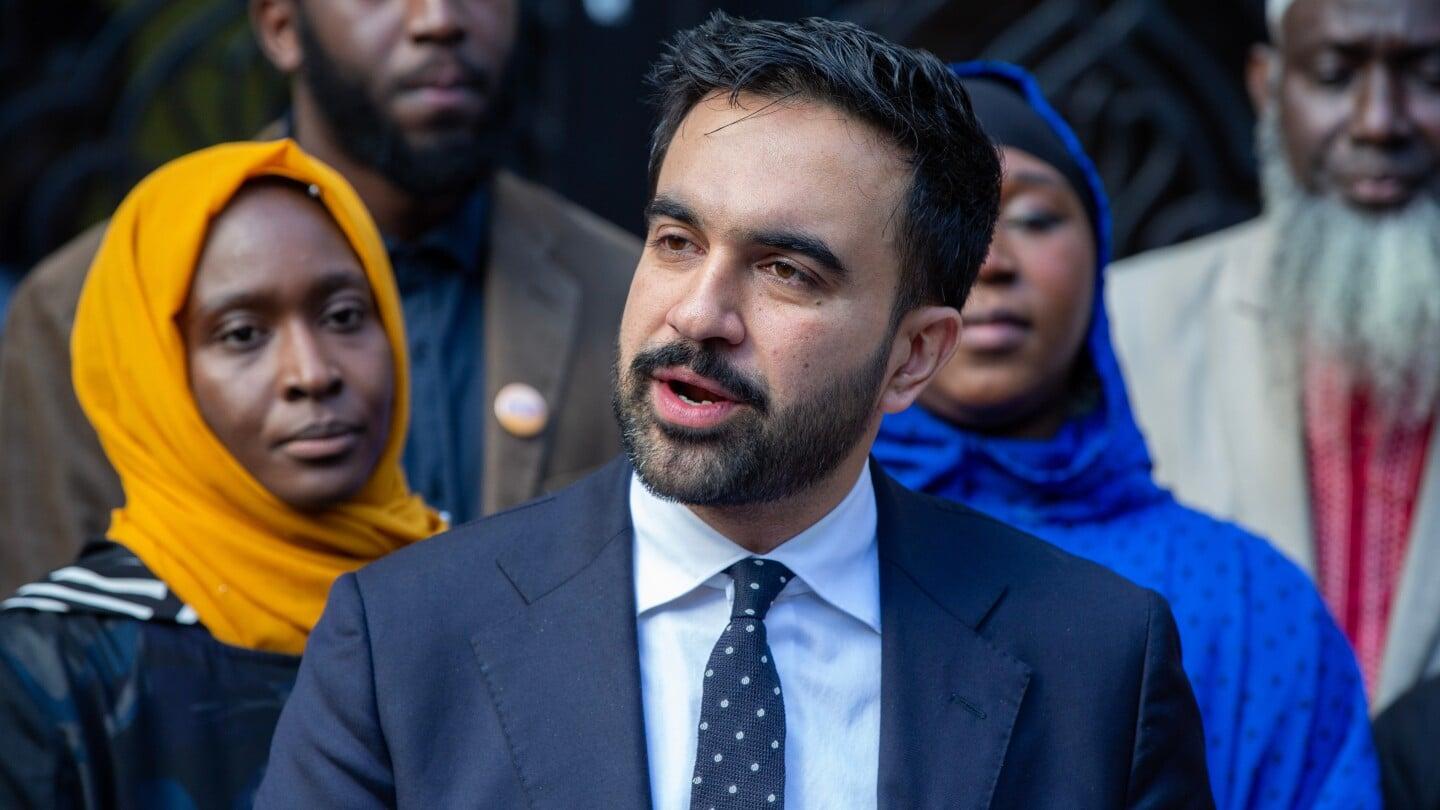
Zohran Mamdani, the Democratic nominee for New York City mayor, publicly embraced his Muslim identity while denouncing what he and several outlets describe as Islamophobic campaign attacks. These attacks were led by former Governor Andrew Cuomo and amplified by Mayor Eric Adams and GOP nominee Curtis Sliwa. Speaking outside a Bronx mosque, Mamdani called the rhetoric "racist and baseless," highlighting harms to Muslim New Yorkers and sharing family experiences after 9/11.
“Zohran Mamdani responded to recent attacks... calling their comments ‘racist and baseless’ fear-mongering... He pledged to more openly embrace his Muslim identity amid the escalating criticism.”
He pledged to be more open about his faith in response to these attacks. Several reports connect the wave of attacks to controversies over his criticism of Israel’s government. Mamdani and his supporters frame the backlash as fear‑mongering.
Controversy Over Political Attacks
Accounts differ on the nature and legitimacy of the attacks and responses. Multiple reports state that Cuomo denied widespread prejudice against Muslims and accused Mamdani of "playing the victim." Other coverage highlights instances that critics say cross a line, including Cuomo appearing to condone a radio host’s suggestion that Mamdani would support another 9/11 attack.
Campaign rhetoric has also implied support for terrorism. Some narratives focus on fear within Jewish communities and argue that Mamdani’s own remarks on Israel provoked backlash. Others emphasize that Cuomo’s camp and allies have used tactics targeting Muslims.
Mamdani's Speech on Faith and Identity
Mamdani and supporters frame the moment through lived experience and civic belonging. Coverage describes him speaking emotionally at a Bronx mosque, recounting discrimination faced by Muslim New Yorkers. He shares a story about a family member avoiding the subway after 9/11.
“Speaking outside a Bronx mosque, Mamdani condemned the ‘racist and baseless’ accusations... He shared experiences... such as his aunt avoiding the subway after 9/11 due to fear of targeting.”
Mamdani asserts that he will not hide his faith. Some outlets emphasize his appeal to represent all New Yorkers and to reject marginalization. His speech is positioned as both personal testimony and political resolve.
Media Coverage of Israel-Palestine Context
Another through-line across coverage is the Israel/Palestine context and how it is weaponized or contested. Western mainstream outlets tie the spike in attacks to Mamdani’s criticism of Israel’s government. Some reports present counterclaims centered on Jewish community fears.
An NBC News piece diverges sharply, discussing controversies around the phrase “globalize the intifada.” The phrase refers to a candidate it names as “Shahana Mamdani,” and critics say the phrase means “kill Jews.” This introduces ambiguity when compared with other reports that consistently identify Zohran Mamdani as the candidate.
Political Dynamics in Mamdani's Campaign
Politically, the episode intensified tensions within the party while Mamdani gained significant public attention. Western mainstream and other media outlets reported that House Minority Leader Hakeem Jeffries endorsed Mamdani. At the same time, Cuomo and his supporters increased their criticisms, and some Democrats questioned Mamdani's position on Israel.
“Despite controversy, Mamdani recently secured the endorsement of House Minority Leader Hakeem Jeffries. The campaign has highlighted tensions within the Democratic Party over issues of identity, religion, and foreign policy.”
Asian media provided additional context about the timing and details of the campaign trail, including early voting and Mamdani's claim that he represents all New Yorkers. NBC contributed information about the race logistics and mentioned an endorsement involving Eric Adams, which was not reported by other sources.
