Gaza Genocide03 January, 20262 min read
Zohran Mamdani Rescinds Eric Adams' Pro‑Israel Executive Orders, Removes IHRA Antisemitism Definition
Mamdani rescinded multiple Eric Adams executive orders, including the IHRA antisemitism definition Mamdani lifted city restrictions on pro‑Palestine BDS boycotts previously banned by Adams

10 outlets told this the same way.
Outlets did split on Israel Marks Oct. 7 Anniversary With Strikes on Gaza, Netanyahu Faces Election After Nova Tribute →
NYC mayor policy reversals
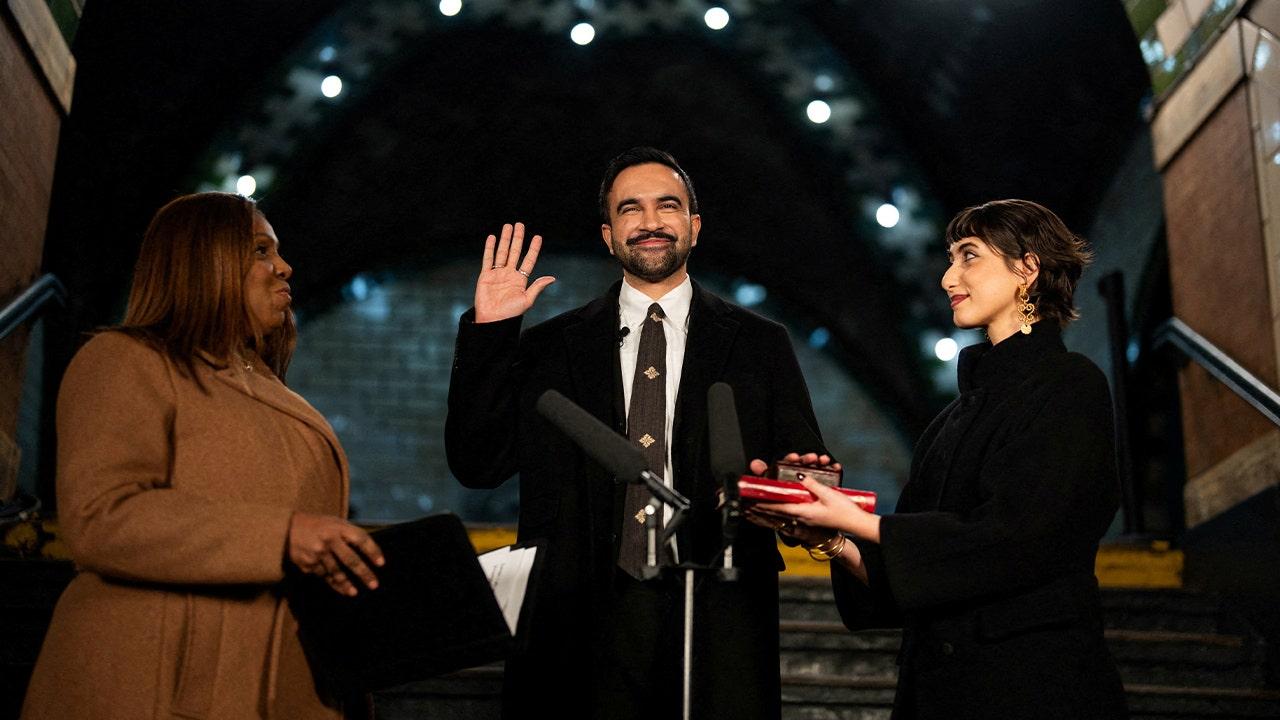
On his first day in office, New York City mayor Zohran Mamdani revoked multiple executive orders issued by his predecessor Eric Adams that had adopted the International Holocaust Remembrance Alliance (IHRA) working definition of antisemitism and restricted city participation in boycotts of Israel. City officials said the changes took effect immediately and removed the IHRA definition from city policy and training while lifting bans on Boycott, Divestment and Sanctions (BDS) activities in government settings. Mamdani characterized the broader rescissions as giving his administration a 'clean slate' and said he would still fund hate-crime prevention and protect Jewish New Yorkers.
“New York City’s new mayor, Zohran Mamdani, on January 1 revoked several pro-Israel policies from the prior administration, including the city’s formal use of the International Holocaust Remembrance Alliance (IHRA) definition of antisemitism and executive orders restricting protests and municipal boycotts.”
International criticism of revocations
The revocations prompted sharp international criticism, especially from Israel's foreign ministry, which used social posts to condemn Mamdani's actions. Several outlets reported that Israel's foreign ministry accused Mamdani of effectively fueling antisemitism by removing a common standard for identifying anti-Jewish hatred, with one formulation quoted as "antisemitic gasoline on an open fire." Media coverage highlights that Israeli officials publicly called the moves blameworthy and reacted within hours of the signings.
Supporters' views on IHRA
Supporters of the rescissions, including civil‑liberties and pro‑Palestine advocates cited in coverage, say removing the IHRA definition prevents censorship of criticism of Israeli government policy and restores protected political speech. The New York chapter of CAIR called the IHRA definition "controversial and overly broad" and said it is often used to censor criticism of Israeli government policy and to limit boycotts. Other supporters described Adams's prior orders as unconstitutional or an improper restriction on speech and pension decisions.
“The New York chapter of the Council on American‑Islamic Relations (CAIR‑NY) welcomed the revocation, calling the IHRA definition ‘controversial and overly broad’ and saying it is often used to censor criticism of Israeli government policy and to limit boycotts; CAIR‑NY called Adams’s order an unconstitutional attack on free speech.”
Responses to revocations
Critics — including Israeli officials, some local Jewish groups and Republican politicians — say the revocations weaken tools used to combat antisemitism and could endanger Jewish communities. Mainstream coverage notes warnings that federal civil-rights officials will monitor potential violations of religious liberties.
Outlets report that the Department of Justice's civil-rights chief warned the agency will watch for and act on violations. Multiple reports frame the revocations as politically risky amid concerns about antisemitism in the city.
Gaps in media coverage
Coverage across the provided sources leaves gaps and varying emphases. Algemeiner’s brief note claims a 67% unfavorable rating but the snippet omits who "him" refers to and lacks poll methodology. Most outlets focus on the policy and political fallout without detailed polling or demographic context.
“A poll or report indicates that 67% of respondents view him unfavorably.”
Several outlets link Mamdani’s actions to rescinding orders issued after Adams’s 2024 indictment, which the Guardian notes were later dropped. Reporting differs on whether the move is primarily administrative, a free‑speech corrective, or a risky rollback of tools to fight antisemitism. The evidence in these snippets is therefore mixed and incomplete.
