
Full story
Flash floods strike Nepal-Tibet
A massive flash flood swept through Nepal’s Rasuwa district on Wednesday, killing at least nine people and leaving 41 security personnel missing, while Nepal’s tourism board said around 400 travellers, including 105 Indians, were missing after the deluge.
“At least nine people were killed after a massive flash flood swept through Nepal’s Rasuwa district”
The flood hit the Bhote Koshi River and caused widespread destruction of villages, roads, bridges, and hydropower infrastructure, with rescue operations actively underway.
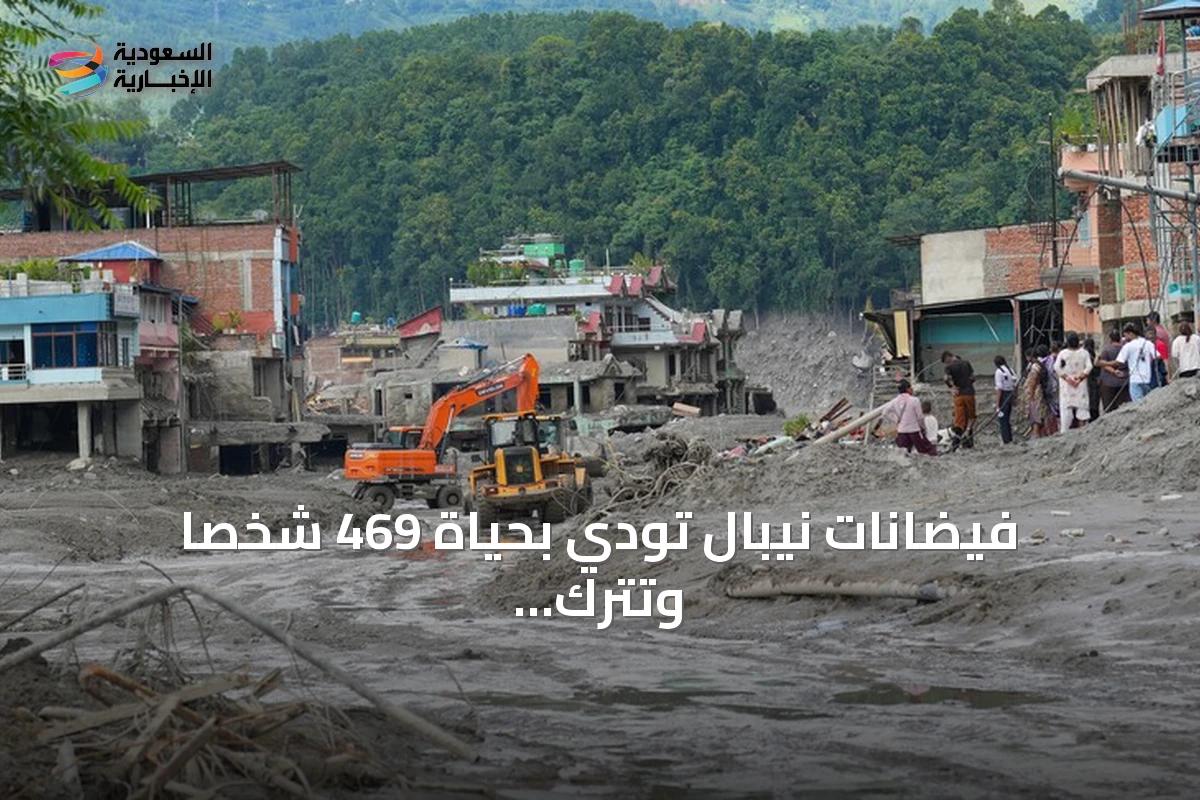
Authorities suspect a glacial burst or an upstream event in Tibet as the cause, and the Nepali Army said the sudden rise in water caused widespread destruction in Timure in Rasuwa district and the nearby Syafrubesi area.
Nepal’s Prime Minister Balendra Shah urged communities along the river to remain vigilant, saying, “People along the river are advised to exercise extra caution and remain alert.”
Nepal’s army spokesperson Raja Ram Basnet said rescue helicopters cannot land in the affected areas of Syapru Besi and Timure until the waters recede, Reuters reported.
Competing death and missing counts
Al Jazeera reported that at least 22 people were killed and hundreds were missing after the flash flood swept away villages in Nepal, while officials said 384 tourists, including 291 from countries including the United Kingdom, the United States, India and Malaysia, were reported missing.
In a separate account, the BBC said that “among the preliminary list of the missing are more than 100 people from India and 12 from the UK, according to its tourist board,” as it described video of the moment the deadly flash flood hit the Nepal-Tibet border.

The Al Jazeera report said the waters were too high for helicopters to land in Nepal’s affected areas of Syapru Besi and Timure, and district administrator Narendra Pariyar told Reuters, “There could be heavy casualties or loss of property,” adding, “But I cannot say for sure now.”
Across the border, Tibet reported “major casualties” with people missing in Gyirong after a mudslide hit a land crossing between China and Nepal, the Xinhua official news agency said.
Al Jazeera also quoted climate research specialist Saswata Sanyal saying the Lhende Khola was flooded twice in 14 months and that this time it was triggered by an ice rock avalanche from a glacier on the Nepal side that blocked the river and released a sudden surge downstream.
Science, monitoring, and next risks
The BBC said the United States Geological Survey later confirmed the incident “was instead a glacial collapse and debris flow” that “caused subsequent catastrophic impacts downstream,” after an earlier report of a magnitude 4.4 earthquake.
“was instead a glacial collapse and debris flow”
The BBC also quoted Simon Cook, senior lecturer in energy environment and security at the University of Dundee, saying “climate change could have an impact,” and described how his team detected that the lower part of a glacier near the Langtang Lirung peak had collapsed.
Mike Searle, professor of Earth sciences at Oxford University, told the BBC: “I think the sheer wave of debris suggests there was a landslide first, the water built up, (which) dammed the river, and then it burst in one huge great flood.”
The International Centre for Integrated Mountain Development warned secondary flooding could occur in the coming days, and said it was assessing whether the Trishuli River has been temporarily blocked in narrow sections.
In the meantime, the BBC reported that Nepali police say at least 359 people have died and that Nepal’s National Disaster Risk Reduction and Management Authority said 826 people are still missing, including more than 529 tourists, with 466 foreigners among them.