Technology and Scienceupdated 15m ago2 min read
Archive photo · 4 January 20231960 Science Paper Predicts World Population Infinity on November 13, 2026
“Six decades later, apocalyptic warnings are once again being raised amid the rapid rise in the capabilities of artificial intelligence (AI).”
“Instead, in many countries, population decline is seen as a more serious concern than population growth.”
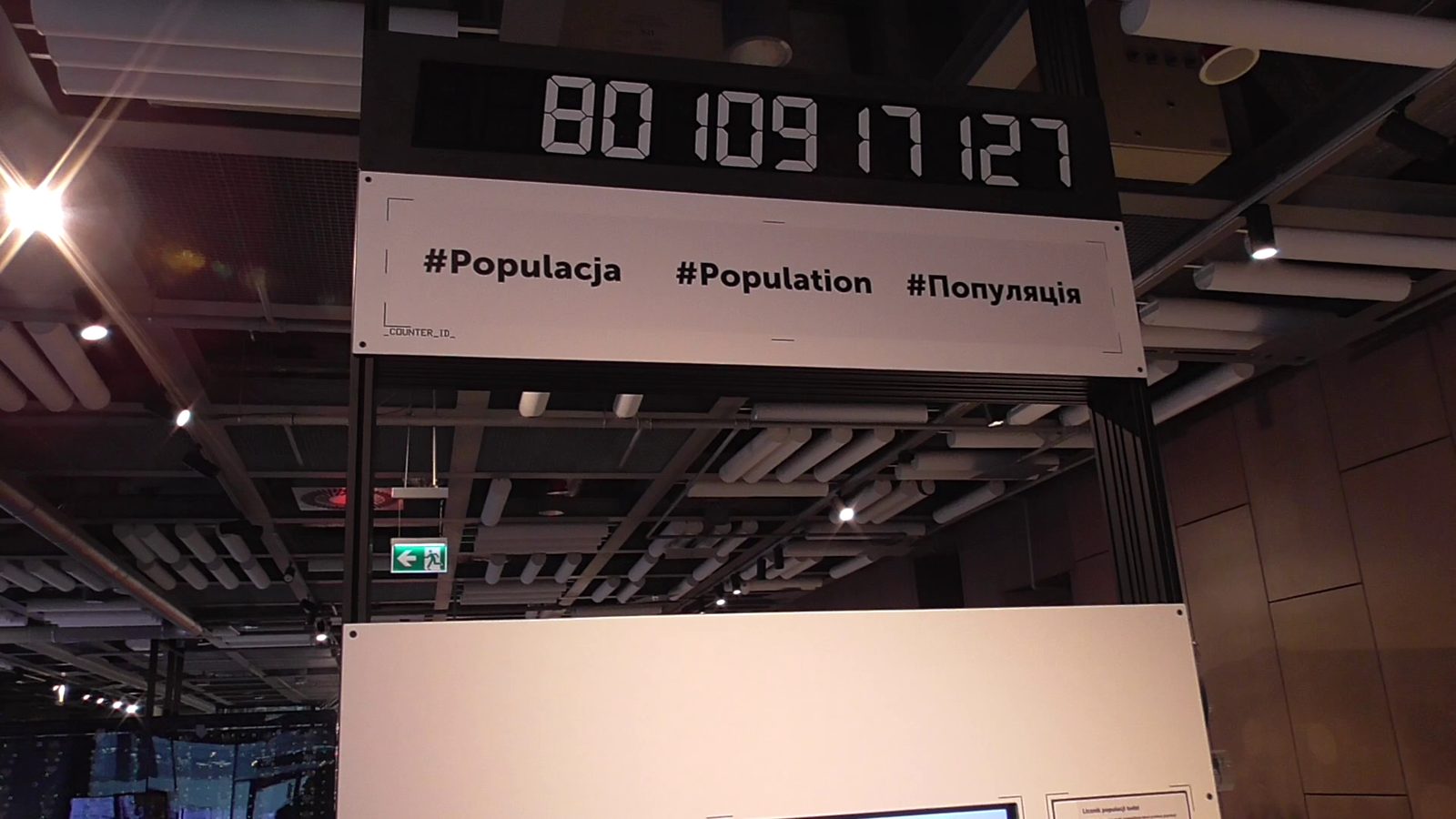
Photo: SZERVÁC Attila, CC BY-SA 4.0 · Cropped for layout
This article is an automated aggregation of coverage from news outlets. Our editorials offer in-depth analysis curated by the NewsCord team.
The 1960 Science paper predicted population would reach infinity on November 13, 2026. Three scientists authored the 1960 paper: von Foerster, Mora, Amiot.
Save coverage image
1960 doomsday, today
A 1960 paper in the journal Science predicted that the world population would reach infinity on Friday, November 13, 2026. Heinz von Foerster, a researcher at the University of Illinois Urbana-Champaign’s department of electrical engineering, was the paper’s lead author, and the calculated end of the world happened to be his birthday.
The paper’s authors wrote, "Our great-great-grandchildren will not starve to death," and they added, "They will be squeezed to death." Javier Birchenall, a University of California Santa Barbara economist, said he thought there was "an element of humour" in the study and that the authors were "trying to make a point that this is exceptional."
Why the model failed
Birchenall said the failed prediction showed the risks of treating a social pattern like a universal law, and he contrasted social systems with physical systems. Peter McDonald, a University of Melbourne demographer, said, "It is not possible to predict fertility with any degree of accuracy beyond about 10 years into the future," and he said longer term fertility responds to social forces that do not exist yet.
McDonald pointed to the post-war baby boom, saying it was "not predicted by any of the leading demographers at the time." The Independent said the 1960 paper’s predictions about global population remained accurate until the 1990s, after which birth rates "have since plummeted" and United Nations forecasts projected a peak at around 10.3 billion in 2084 before declining.
What is at stake now
McDonald said fears about overpopulation had "flipped" in many places as fertility rates fell below the rate of replacement, and he said this also drove warnings of cataclysm and a pronatalist movement. Elon Musk said Australians are "disappearing," quoting a post on X that calls Australia’s fertility rate a "catastrophe," and McDonald responded that "Catastrophe is certainly the wrong word to use in Australia," while adding that Australia’s fertility rate was "misleading" because of temporary residents and immigration rates.
The Independent reported that the shift toward lower fertility has led modern economists to warn that declining fertility could pose a bigger threat to society than overpopulation, including economic stagnation and greater strain on healthcare systems. The Conversation said the doomsday paper was a cautionary tale about "scientific predictions of all kinds" and quoted von Foerster’s view that his descendants would be "squeezed to death" as part of the paper’s warning about unsustainable growth.