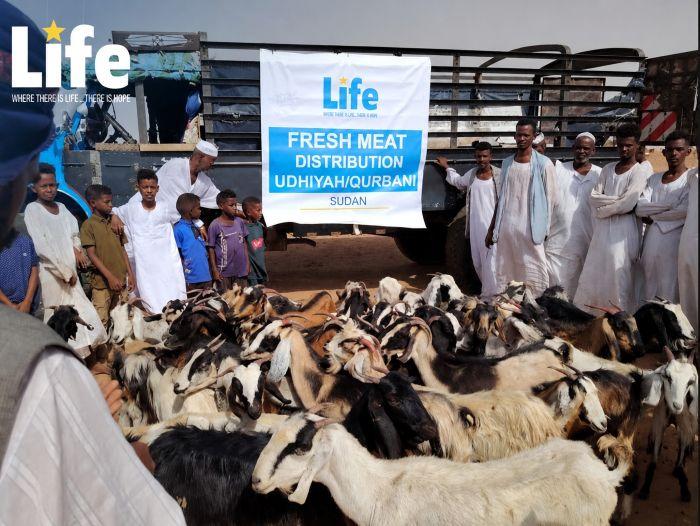
600,000 Sudanese Refugees Struggle in Kiryandongo Camp Near Biāli, Uganda After April 2023 War
Key Takeaways
- Sudan's 2023 conflict has driven mass displacement, creating camps in Sudan and Uganda.
- Displaced populations face severed basic needs—food, water, shelter—in camps.
- Hunger and humanitarian crises intensify amid camp conditions.
Kiryandongo’s long exile
At the edge of the Ugandan town of Biāli, Kiryandongo Refugee Camp sits about 275 kilometers from Kampala as Sudanese refugees try to rebuild after the war began in April 2023.
“The usual signs of preparation to welcome Eid al-Adha are fading at the Abu al-Naja displacement camp in Gedaref State, eastern Sudan”
Local officials reported the arrival of about 600,000 Sudanese refugees to the camp, with Hussein Hashem Timan describing how he was forced to flee from Omdurman with his children in May 2023 to South Sudan and then to Uganda.

Timan said, "I live in a tent now, but this is the language of war and its manifestations," as he described dwindling aid and tents that were supposed to last six months but remained the only shelter for more than three years.
United Nations News reported that services are limited, if not almost absent, with "There is not enough healthcare, no regular schooling," and even water and food becoming a shared responsibility among refugees themselves.
Hunger and Eid pressures
Life for Relief and Development described Sudan as experiencing one of the world’s worst humanitarian crises as hunger rises and food prices reach unprecedented levels.
The report said World Food Programme reports indicate that about 19.5 million people are facing acute hunger and food insecurity, including 135,000 people living in catastrophic famine conditions, while about 34 million Sudanese need urgent humanitarian aid.
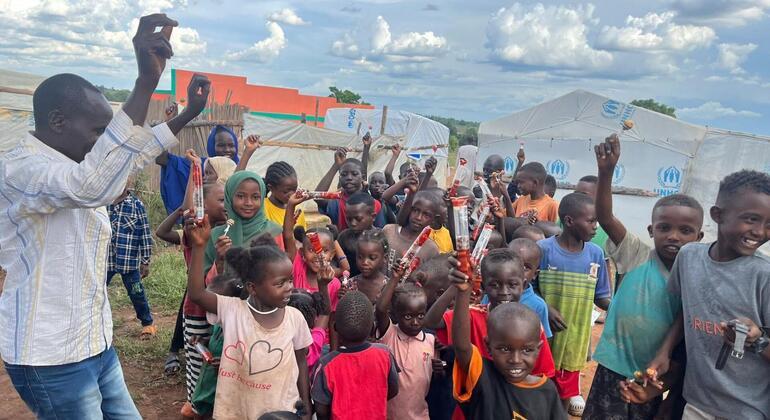
Vicky Roob, Director of National Programs and State Programs at the organization, said the Eid al-Adha project has carried "the meaning of dignity and joy for families" who hope they will be able to eat meat, even if only for a few days.
Omar Al-Ridy, Project Director, said, "Eid al-Adha carries something else; it gives families a sense of participation, joy, and dignity," framing the effort as more than direct survival support.
Eid absent in Gedaref
In eastern Sudan’s Gedaref State, Al Jazeera Net reported that the usual signs of preparation for Eid al-Adha were fading at the Abu al-Naja displacement camp.
“Report: Tasneem Al-Ridy This year’s Eid al-Adha arrives as Sudan experiences one of the world’s worst humanitarian crises, where a war that has lasted for more than two years has forced millions of households to flee their homes and caused a large number of people to lose their sources of income”
Displaced Sara Abdullah told Al Jazeera that families cannot provide even the simplest Eid necessities for their children and said residents are in dire need of greater support from humanitarian organizations, whether through food aid or Eid supplies.
Fatima Jumaa said, "All the displaced need tarpaulins and suitable sleeping spaces, and drainage tools to protect the camp from water pooling," as she described scorpions and snakes spreading and her tent leaking rainwater.
The report added that since the outbreak of the war between the Sudanese army and the Rapid Support Forces in April 2023, the conflict has killed tens of thousands, displaced millions, and left millions more queuing without water, electricity, or health services, while the UN Refugee Agency said about 14 million people had been forced to flee since the start of the war.
More on Sudan
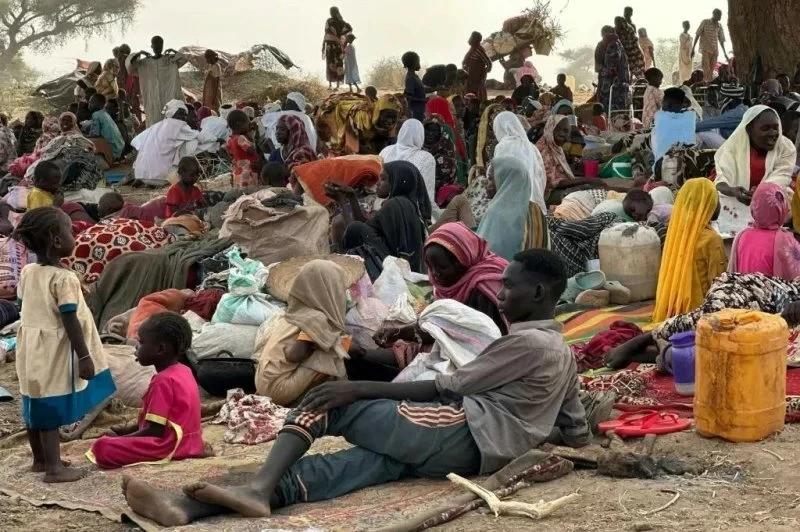
UN Investigators Say RSF Tactics in El-Obeid Bear Hallmarks of Genocide
15 sources compared
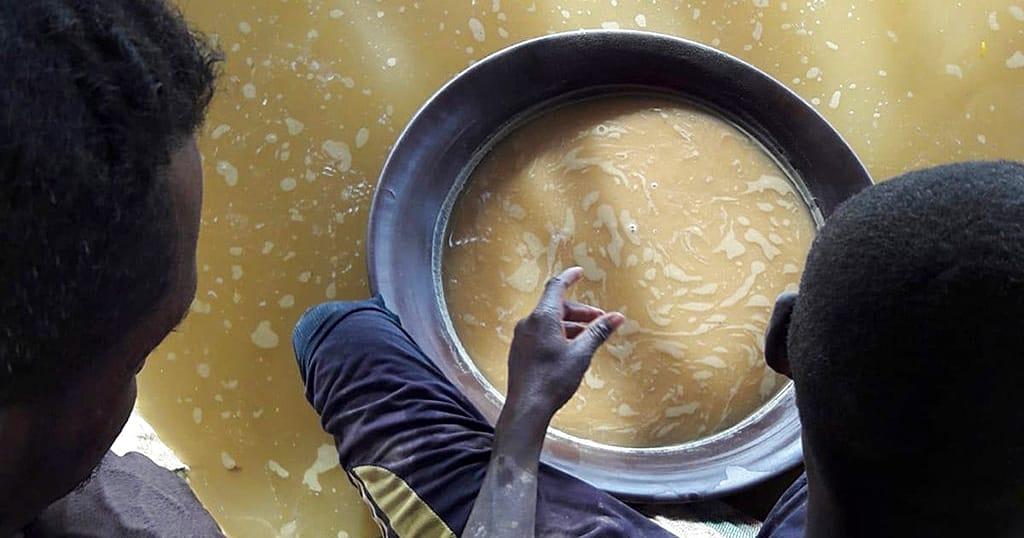
Sudan Gold Mine Collapse Kills 15 Miners At Mohamed Tawfiq Mine Near Egyptian Border
11 sources compared

Qatar Airways Launches First Port Sudan Flights From Doha With Airbus A320
10 sources compared

Rapid Support Forces Impose Siege Conditions, Intensify Drone Strikes on El Obeid, Sudan
18 sources compared