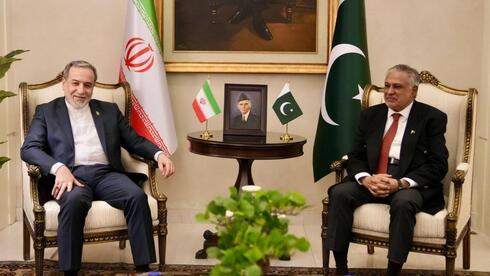
Abbas Araghchi Arrives in Pakistan as Witkoff and Kushner Prepare Direct Iran Talks
Key Takeaways
- Iran's Abbas Araghchi arrived in Islamabad for mediation ahead of talks.
- Witkoff and Kushner will head to Pakistan for direct talks with Iran.
- Iran denies plans for direct talks with U.S. officials in Pakistan.
Pakistan hosts Iran talks
Iran’s Foreign Minister Abbas Araghchi arrived in Pakistan and is set to meet Pakistani leaders as the United States prepares a fresh round of direct diplomacy aimed at ending the war, according to multiple reports.
The White House said U.S. special envoy Steve Witkoff and President Donald Trump’s son-in-law Jared Kushner will travel to Pakistan on Saturday morning for talks with Iranian representatives, with White House press secretary Karoline Leavitt telling Fox News, “The Iranians reached out” and asked for an in-person conversation.
CNN and BBC both reported that Araghchi was in Islamabad and that the United States is ready to hear a plan for peace from Iranian officials through Pakistani intermediaries, while Iran’s foreign ministry spokesperson Esmaeil Baqaei denied that a direct meeting is planned.
BBC quoted Baqaei saying, “No meeting is planned to take place between Iran and the US. Iran's observations would be conveyed to Pakistan.”
The dispute over whether the talks are direct or mediated runs alongside a broader timeline of shifting expectations: the BBC said Witkoff and Kushner are heading to Pakistan for peace talks “on Saturday morning,” while Reuters-linked reporting in Today said Araghchi plans to present “new written response to proposed American peace agreement.”
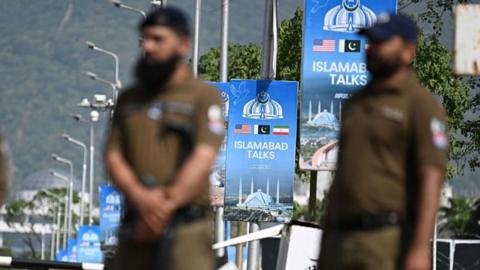
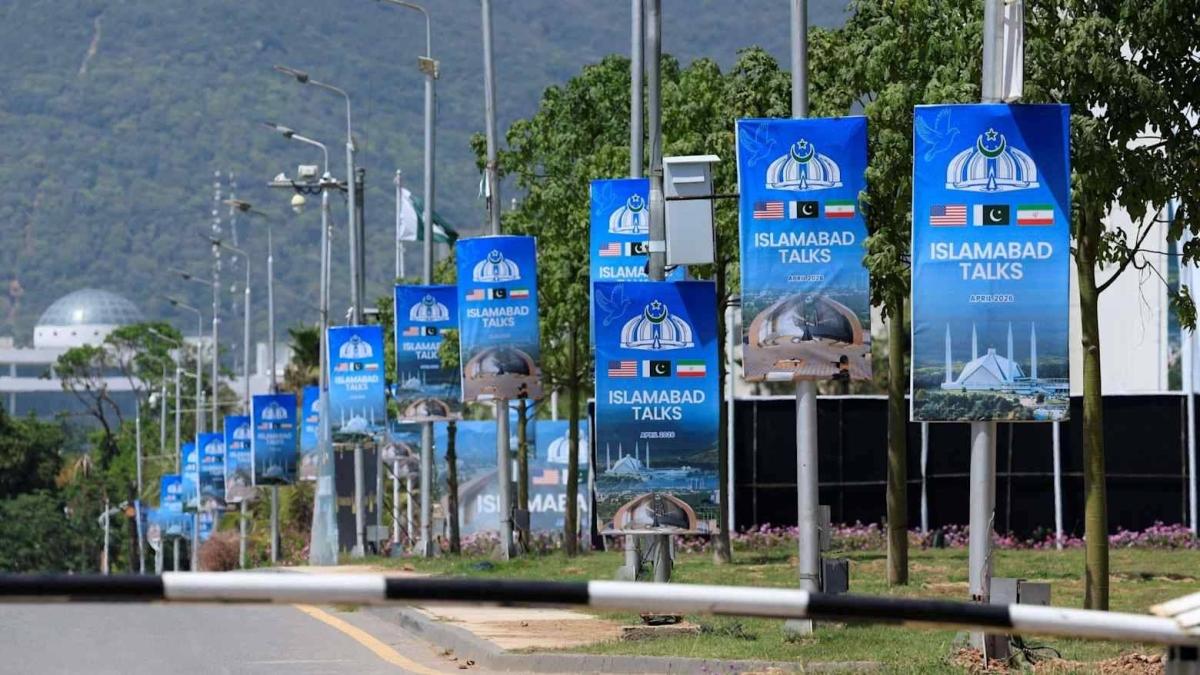
The same Today live update described Pakistani security measures around the “red zone” in Islamabad ahead of anticipated U.S.-Iran peace talks, with Pakistani army soldiers patrolling a street leading to the red zone after heightened security measures.
Competing messages from Tehran
Iran and the United States have continued to trade conflicting signals about the structure of the Pakistan talks, with Tehran insisting that no direct meeting will occur even as U.S. officials describe an in-person exchange.
CNN reported that Iran’s Abbas Araghchi is in Pakistan to meet with mediators, but Iran’s ministry denied a direct meeting is planned with the U.S., describing it as “the latest instance of conflicting messages from Washington and Tehran.”
Ynetnews quoted Iran’s Foreign Ministry spokesman Esmaeil Baqaei saying on X that “No meeting is planned to take place between Iran and the U.S.” and added that “Iran's observations would be conveyed to Pakistan.”
BBC similarly said Baqaei told reporters that “No meeting is planned to take place between Iran and the US,” and that “Iran's observations would be conveyed to Pakistan.”
In the United States’ account, Leavitt told Fox News that Witkoff and Kushner would go to Pakistan “to engage in direct talks” and that “The Iranians reached out” and asked for an in-person conversation, according to CNBC.
The Guardian also framed the trip as a resumption of negotiations, saying Leavitt confirmed that Witkoff and Kushner would meet Iran’s foreign minister, Abbas Araghchi, in Islamabad, and quoting her: “We’re hopeful that it will be a productive conversation and hopefully move the ball forward to a deal.”
Sanctions and the Strait of Hormuz
As the diplomatic push for talks in Pakistan unfolds, the reports also describe intensifying pressure around Iran’s economy and maritime access, centered on the Strait of Hormuz.
“Trump's envoys Witkoff and Kushner to fly to Pakistan for Iran talks Donald Trump's special envoy Steve Witkoff and the US president's son-in-law Jared Kushner are heading to Pakistan for peace talks with Iran on Saturday morning, the White House has said”
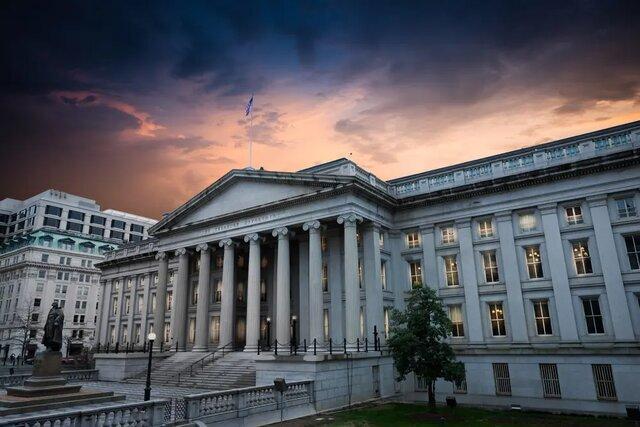
USA Today reported that the U.S. Treasury Department placed sanctions on Hengli Petrochemical and issued a blanket license authorizing the phased winding-up of agreements involving the Chinese company Hengli Petrochemical (Dalian) Refinery Co., citing a notice published on the U.S. Treasury Department website.
USA Today further said the U.S. Treasury Department officials announced they are sanctioning a Chinese oil refinery for playing a “vital role in sustaining Iran's oil economy,” and that Treasury Secretary Scott Bessent said the department is sanctioning the Hengli company along 40 shipping firms and vessels to impose “a financial stranglehold on the Iranian regime.”
Today’s live update also said “US imposes new sanctions related to Iran” and tied it to the same Treasury notice about Hengli Petrochemical (Dalian) Refinery Co.
Beyond sanctions, the reports describe a U.S. naval blockade and threats of force in the strait: BBC said Defense Secretary Pete Hegseth warned that Washington’s continuing blockade of the Strait of Hormuz was “growing and going global,” and that the U.S. and Israel began attacking Iran on 28 February.
The Guardian quoted Hegseth’s briefing remarks that “No one sails from the strait of Hormuz to anywhere in the world without the permission of the United States navy,” and it also quoted Hegseth saying, “We’re going to deal with that. It’s a violation of the ceasefire.”
What each side says it wants
The reports lay out the negotiating conditions and the language each side uses to describe what must change for talks to progress.
BBC reported that Hegseth said Tehran had a chance to make a “good deal,” stressing that “all they have to do is abandon a nuclear weapon and in meaningful and verifiable ways,” while the Guardian described Iran’s foreign ministry spokesperson Esmail Baghaei saying the main subject in negotiations was “ending the war in a way that secures the country’s interests.”

The Guardian also quoted Baghaei saying, “We accept the ceasefire only if it is the first step to bringing the war to an end on all fronts,” and it quoted him stressing that issues such as compensation, the strait of Hormuz, and lifting sanctions are “critical to the country’s future.”
BBC added that Iran’s parliamentary speaker Mohammad Bagher Ghalibaf warned on Wednesday that it was “not possible” for the Strait of Hormuz to be opened due to “the blatant violations of the ceasefire” by the US and Israel, and it said Ghalibaf described the blockade of Iranian ports as taking the global economy “hostage.”
NPR reported that Iran dismissed the ceasefire extension as “meaningless,” saying the continued U.S. naval blockade of Iranian ports is a violation of the deal and that the Iranian delegation will not return to the negotiating table until the blockade is lifted.
In the U.S. framing, USA Today and CNBC both described the U.S. as insisting on verifiable steps and maintaining the blockade until a deal is struck, with CNBC saying Trump told Reuters that the U.S. will not lift its blockade of Iranian ports until a deal is struck.
What comes next if talks fail
The reporting also emphasizes the consequences and contingency planning surrounding the Pakistan talks, including the possibility of continued military pressure and the operational needs if the Strait of Hormuz reopens.
CBS News said Defense Secretary Pete Hegseth warned that if Tehran doesn’t make a deal with the U.S., its economy will “collapse under the unrelenting pressure” of a U.S. naval blockade that will remain in place for “as long as it takes.”

CBS News also described that naval escorts will likely be needed when Strait of Hormuz reopens, citing Chevron CEO Mike Wirth saying, “We'd have to believe that our people on the ship will be safe, the cargo will be safe, and they can be transited with a high degree of confidence.”
CNN reported that the U.S. military has redirected at least 33 ships since the White House leveled the blockade on April 13, and it described the U.S. as coordinating forces throughout the Middle East through U.S. Central Command.
The Guardian added that Hegseth said the blockade had gone global and that “No one sails from the strait of Hormuz to anywhere in the world without the permission of the United States navy,” while also quoting him saying the U.S. navy would “shoot and kill” anyone in boats laying mines.
In parallel, the diplomatic process itself is described as contingent: CNN said “Everyone will be on standby to fly to Pakistan if necessary,” and CNBC said the vice president JD Vance would remain in the United States on standby while Witkoff and Kushner travel.
More on Iran

Trump Sends Steve Witkoff and Jared Kushner to Pakistan for Iran Talks With Abbas Araghchi
12 sources compared
Trump Orders U.S. Forces To Board Iranian Ships Amid Hormuz Blockade
17 sources compared

Ahmad Vahidi and the IRGC Control Iran, Jerusalem Post Says Mojtaba Khamenei Not Leading
22 sources compared

Iran FM Abbas Araghchi Visits Islamabad Without U.S. Talks, Says Esmail Baghaei
11 sources compared