
Trump Sends Steve Witkoff and Jared Kushner to Pakistan for Iran Talks With Abbas Araghchi
Key Takeaways
- Witkoff and Kushner travel to Pakistan to meet Iran's Abbas Araghchi.
- Vice President JD Vance will not travel, on standby to rejoin if talks progress.
- Talks resume in Islamabad this weekend.
Envoys Head to Islamabad
The Trump administration is dispatching special envoy Steve Witkoff and Jared Kushner to Pakistan for talks with Iran’s foreign minister, Abbas Araghchi, as officials in Islamabad seek to revive ceasefire negotiations between the U.S. and Iran.
“WASHINGTON, April 24 (Reuters) - U”
A U.S. official told Reuters that Witkoff and Kushner would travel to Pakistan soon for talks with Araghchi, while Vice President JD Vance was not currently planning to attend but would be on standby to travel to Islamabad if negotiations progress.

The White House press secretary Karoline Leavitt told reporters that “Steve and Jared will be heading to Pakistan tomorrow to hear the Iranians out,” and she said Vance would remain in the United States while being “deeply involved.”
Leavitt also said the talks planned for Saturday would include a meeting between Witkoff, Kushner, and Araghchi, with the White House saying Araghchi was on his way to Pakistan, Oman and Russia for “bilateral matters and regional developments.”
The Washington Post described the weekend talks as resuming in Islamabad “this weekend — but this time without Vice President JD Vance,” and said Witkoff and Kushner were set to depart for Islamabad on Saturday.
The Washington Post also reported that the Iranians would not send their top negotiator, Iran’s parliament speaker Mohammad Bagher Ghalibaf, and that Ghalibaf is the highest-level Iranian official involved in talks to end the war.
In parallel, the White House said Trump issued a 90-day extension to the Jones Act waiver, and the PBS/AP report tied the diplomatic push to a wider regional context in which the Strait of Hormuz has snarled energy exports and left “thousands dead across the Middle East.”
Ceasefire, Blockade, and Escalation
The decision to restart talks comes as the U.S. and Iran remain locked in a dispute over the Strait of Hormuz and the terms of any ceasefire extension, with the White House describing recent Iranian outreach as progress.
PBS/AP said the talks planned for Saturday were set against a backdrop of “a war that has snarled crucial energy exports through the Strait of Hormuz,” and it reported that Iran has kept “its stranglehold on traffic through the strait, attacking three ships earlier this week,” while the U.S. is maintaining a blockade of Iranian ports.

The PBS/AP report also said Trump ordered the military to “shoot and kill” small boats that could be placing mines, and it quoted U.S. Defense Secretary Pete Hegseth describing Iran’s choices in the Strait of Hormuz as “an important choice, a chance to make a deal, a good deal, a wise deal.”
Politico reported that the new talks would restart “without Vance,” and it linked the shift to Iran’s earlier refusal to send its negotiating team to Islamabad in protest of the U.S. blockade of the Strait of Hormuz.
Politico also said Trump extended the blockade indefinitely while agreeing to extend the ceasefire between the two countries, and it described the administration’s view that the war could drag on longer than Trump initially suggested when it started in February.
The Guardian added that Iran had said it would not restart talks until the U.S. lifted its blockade of Iranian ports, while the U.S. demanded “verifiable assurances that Tehran would end its nuclear programme and lift its own crippling blockade of the strait.”
Forbes framed the talks as resuming amid a stalemate over who controls the Strait of Hormuz, and it said talks had been frozen earlier this week amid the dispute.
Statements From Washington and Tehran
Across the reporting, U.S. officials and Iranian officials framed the talks through competing conditions, while defense leaders continued to threaten force in the Strait of Hormuz.
“Topline Negotiations with Iran will resume, the White House said Friday amid a stalemate between the U”
Karoline Leavitt told reporters that “We’re hopeful that it will be a productive conversation and hopefully move the ball forward to a deal,” and she said the administration had “certainly seen some progress from the Iranian side in the last couple of days.”
Politico quoted Leavitt saying “Steve and Jared will be heading to Pakistan tomorrow to hear the Iranians out,” and it described her explanation that Vance would be “on standby” and willing to dispatch if needed.
Defense Secretary Pete Hegseth told reporters that the U.S. “had all the time in the world and we are not anxious for a deal,” and The Guardian reported that he said the U.S. would “without hesitation shoot and kill anyone in boats laying mines.”
The Guardian also quoted Hegseth saying “No one sails from the strait of Hormuz to anywhere in the world without the permission of the United States navy,” and it included his comparison that the exercise was like “the targeting of drug boats in the Caribbean.”
On the Iranian side, The Guardian reported that Iranian foreign ministry spokesperson Esmail Baghaei said the main subject in negotiations was “ending the war in a way that secures the country’s interests,” and he added, “We accept the ceasefire only if it is the first step to bringing the war to an end on all fronts.”
WRAL relayed that after Abbas Araghchi touched down in Pakistan, Iran’s spokesperson Esmael Baqaei said on X that “No meeting is planned to take place between Iran and the U.S.”
Competing Negotiating Agendas and Protocol
The sources also diverge on what the talks are expected to cover, how the negotiations are structured, and what each side is willing to send to the table.
The Guardian said Araghchi was likely to discuss a “potential permanent new arrangement on governing the strait of Hormuz with Oman,” and it described Iran’s position that it would not restart talks until the U.S. lifted its blockade of Iranian ports.
It further reported “one new idea being canvassed,” in which Iran was considering “parcelling up its 400kg stockpile of highly enriched uranium” and diluting enrichment levels in return for lifting specific sanctions.
The Washington Post emphasized the diplomatic protocol and the absence of Vance and Ghalibaf, describing the decision not to send Vance as reflecting “the lower level of these talks after the last trip failed to result in a deal.”
Politico similarly reported that Vance would not travel but would be “on standby,” and it said Leavitt declined to share details when asked whether the Trump administration has received a peace proposal from Iranian leaders.
Forbes framed the talks as resuming amid a stalemate over the Strait of Hormuz and said the speaker of Iran’s parliament, Mohammad-Bagher Ghalibaf, “also will not be in attendance.”
WRAL added that Iran’s spokesperson said “No meeting is planned to take place between Iran and the U.S.” during Araghchi’s visit, with Pakistani officials conveying messages between delegations.
What Comes Next Under Pressure
The immediate stakes in the reporting are tied to whether the weekend talks produce a breakthrough, while the U.S. continues blockade operations and escalatory threats in the Strait of Hormuz.
“Skip to Main Content Kushner, Witkoff to restart talks with Iran in Pakistan — without Vance The vice president will be "on standby" to return to Pakistan for negotiations”
Leavitt told reporters that the administration hoped “progress will be made” and that “positive developments will come from this meeting,” and she said the U.S. and Iran were seeing “some progress from the Iranian side in the last couple of days.”
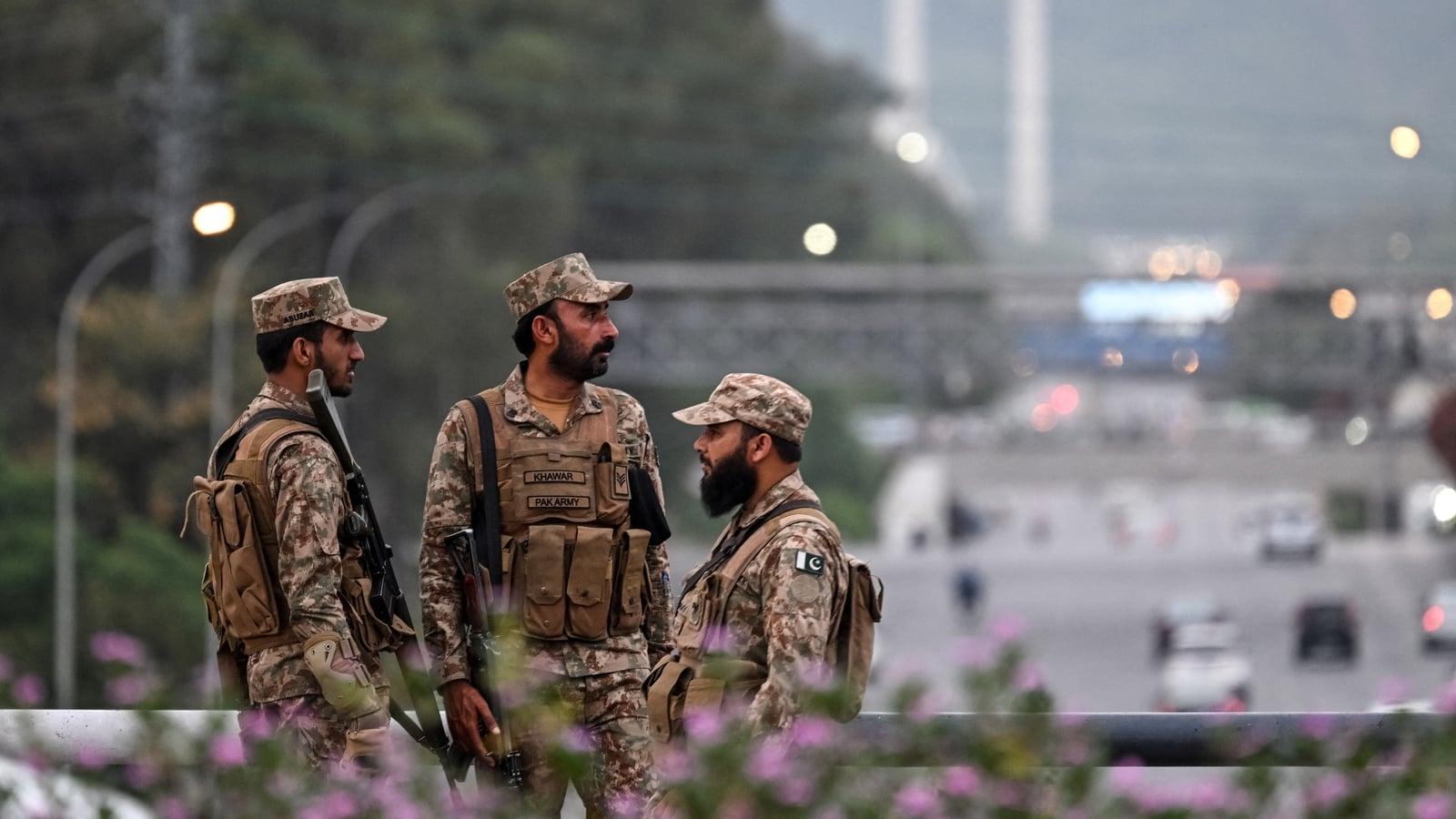
Politico reported that the U.S. envoys were expected to restart negotiations to end the war with Iran, and it described Trump’s posture that the war could drag on longer than he initially suggested, with Trump telling reporters “Don’t rush me.”
The Guardian said Hegseth told reporters the blockade had gone global, and it quoted him saying “No one sails from the strait of Hormuz to anywhere in the world without the permission of the United States navy,” while also stating that “If there’s attempts, recklessly and irresponsibly, to lay more mines, we’re going to deal with that.”
WRAL reported that the Trump administration placed economic sanctions on “a major China-based oil refinery and roughly 40 shipping companies and tankers involved in transporting Iranian oil,” and it described the sanctions as part of an effort to cut off Iran’s key source of revenue, its oil exports.
PBS/AP said the Strait of Hormuz has been a strategic waterway through which “a fifth of the world's oil and natural gas is shipped during peacetime,” and it said the squeeze has rippled through global maritime trade flows.
Forbes added that Defense Secretary Pete Hegseth said the U.S. naval blockade would continue “as long as it takes,” and it said the U.S. is “both “anxious” to make a deal with Iran, but also has “all the time in the world” to achieve its objectives.”
More on Iran
Trump Orders U.S. Forces To Board Iranian Ships Amid Hormuz Blockade
17 sources compared

Ahmad Vahidi and the IRGC Control Iran, Jerusalem Post Says Mojtaba Khamenei Not Leading
22 sources compared
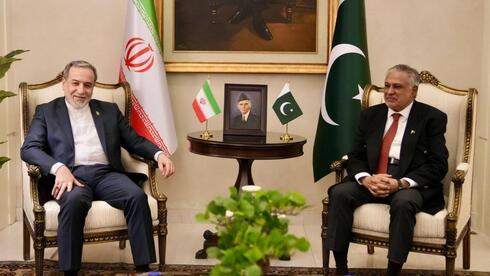
Abbas Araghchi Arrives in Pakistan as Witkoff and Kushner Prepare Direct Iran Talks
17 sources compared

Iran FM Abbas Araghchi Visits Islamabad Without U.S. Talks, Says Esmail Baghaei
11 sources compared