
Iran FM Abbas Araghchi Visits Islamabad Without U.S. Talks, Says Esmail Baghaei
Key Takeaways
- Araghchi arrived in Islamabad to discuss ending the war with Pakistan's side.
- Iranian officials say no U.S. talks planned during Islamabad visit.
- Several outlets frame the trip as a step toward resuming U.S. ceasefire talks.
Islamabad Trip, No US Talks
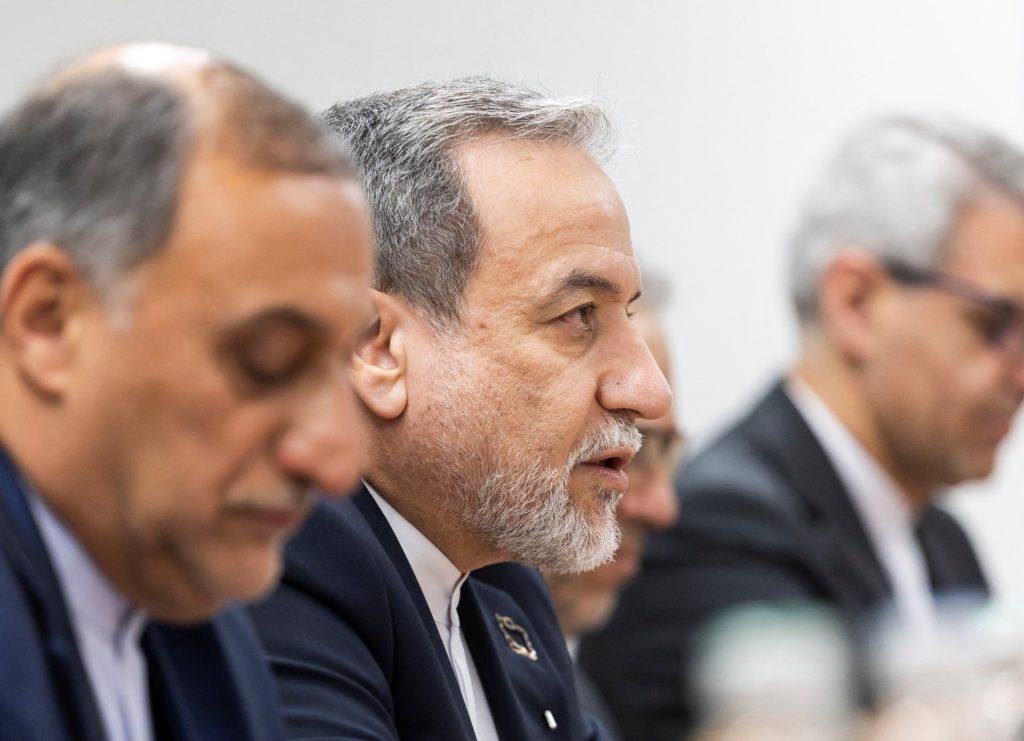
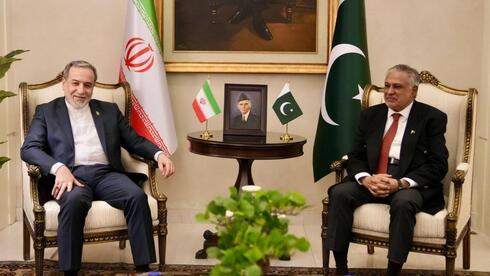
Iran’s foreign ministry confirmed that no meeting is planned with the United States in Islamabad during a visit by a delegation led by Foreign Minister Abbas Araghchi, with spokesman Esmail Baghaei saying Iran’s observations would be conveyed to Pakistan.
“Islamabad, Pakistan – Iranian Foreign Minister, Abbas Araghchi, is expected to fly into Pakistan’s capital on Friday night with a small delegation, in what officials said was a key step towards the resumption of direct talks with the United States aimed at ending their war”
PressTV reported that Baghaei made the remarks in a post on X on Saturday announcing the arrival of the delegation, and he said, "Iran's observations would be conveyed to Pakistan."
The same account said FM Araghchi would be meeting with Pakistani high-level officials in concert with their mediation and good offices for ending what it called "American-imposed war of aggression" and the restitution of peace in the region.
Xinhua similarly reported that Araghchi will not hold any negotiation with U.S. officials during his visit to Islamabad, adding that he would hold talks solely with the Pakistani side on Iran’s considerations about the end of the war with the United States and Israel.
Xinhua also said IRIB TV reported that while Araghchi does not have a plan to meet the Americans, "Islamabad, as a bridge of communication, will 'convey' Iran's considerations for ending the conflicts."
France 24, meanwhile, described conflicting signals around whether Araghchi would meet U.S. negotiators in Islamabad, saying Pakistani sources said he was not slated to meet U.S. negotiators there while the White House said special envoys Steve Witkoff and Jared Kushner would leave for Pakistan on Saturday morning to continue talks with the Iranian official.
In the same France 24 account, Pakistan’s foreign minister confirmed the arrival of the Iranian delegation and said Araghchi would meet with senior Pakistani officials to discuss peace efforts, while Araghchi wrote on X that he was visiting Pakistan, Oman, and Russia to coordinate with partners on bilateral matters and consult on regional developments.
Why Talks Were Stalled
The diplomatic push described in the reports is tied to the failure of earlier negotiations and to Iran’s conditions for any restart, with multiple outlets pointing to the U.S. blockade and what Iran calls excessive demands.
PressTV said Iran and the United States held a first round of talks in Islamabad earlier this month, but the process stopped short of yielding an agreement amid Washington's maximalist demands and its insistence on its unreasonable positions, and it said the Islamic Republic has categorically refused to rejoin the process unless the U.S. lifted an illegal blockade it has imposed on Iranian vessels and ports.
PressTV also asserted that as long as the blockade is still in place, it has no intention of reopening the strategic Strait of Hormuz that it has shut down to all traffic in retaliation.
Xinhua reported that a ceasefire was achieved between Iran, the United States and Israel on April 8 after 40 days of fighting, followed by lengthy talks between Iranian and U.S. delegations in Islamabad on April 11 and 12 that failed to lead to an agreement.
Xinhua added that the Iranian and U.S. delegations were reportedly expected to hold another round of peace talks in Pakistan this week, but Iran refrained from attending the negotiations citing the U.S. continued naval blockade and "excessive" demands as the main reasons.
France 24 described the same Islamabad venue for U.S.-Iran talks that failed to materialize earlier this week, and it said the last round of peace talks had been expected to resume on Tuesday but never took place, with Iran saying it was not yet ready to commit to attending and a U.S. delegation led by Vance never leaving Washington.
Al Jazeera’s account framed the standoff around Iran’s insistence that the U.S. needed to lift the blockade before it would return, and it said Trump enforced the blockade on April 13, two days after the first round of negotiations ended inconclusively.
US Envoys, Iranian Messaging
While Iran’s official line in the reports emphasizes that Araghchi’s Islamabad trip is not for U.S. talks, the U.S. side is described as preparing to send envoys and to keep a delegation on standby.
“Iran's FM Araghchi arrives in Pakistan ahead of planned US ceasefire talks Iran's Foreign Minister Abbas Araghchi arrived in the Pakistani capital Islamabad on Friday to discuss proposals for restarting peace talks with the United States, amid conflicting signals on whether he would meet with US negotiators there”
France 24 said the White House press secretary Karoline Leavitt stated that special envoys Steve Witkoff and Jared Kushner would leave for Pakistan on Saturday morning to continue talks with the Iranian official, and it quoted Leavitt saying the U.S. had seen some progress from the Iranian side in recent days and hoped more would come this weekend.
The Guardian reported that Leavitt confirmed Trump was sending his Middle East envoys Steve Witkoff and Jared Kushner to Pakistan to resume negotiations, and it quoted her saying, "We’re hopeful that it will be a productive conversation and hopefully move the ball forward to a deal."
The Guardian also said JD Vance, who led a U.S. delegation to Islamabad in the previous round, was not travelling to Pakistan but would remain on "standby" and that Leavitt said, "The president, the vice-president, the secretary of state, will be waiting here in the United States for updates."
In parallel, PressTV and Xinhua both described Iran’s messaging as focused on conveying observations through Islamabad and on discussing Iran’s considerations with Pakistani officials, with PressTV quoting spokesman Esmail Baghaei that "FM Araghchi will be meeting with Pakistani high-level officials" in the context of mediation.
Xinhua added that IRIB TV reported Islamabad would "convey" Iran’s considerations for ending the conflicts, and it said Araghchi would hold talks solely with the Pakistani side on Iran’s considerations about the end of the war with the United States and Israel.
Al Jazeera’s report described phone calls that Araghchi made with Pakistan’s Deputy Prime Minister and Foreign Minister Ishaq Dar, where Dar underscored the importance of sustained dialogue and Araghchi appreciated Pakistan’s "consistent and constructive facilitation role."
Coverage Differences and Claims
The reporting diverges not only on whether U.S. talks are on the agenda, but also on how the trip is framed and what other developments are attached to it.
PressTV and Xinhua both stress that no meeting is planned with the United States in Islamabad, and PressTV explicitly says, "no meeting is planned with the United States" during the visit, while Xinhua says Araghchi will not hold any negotiation with U.S. officials and that he will hold talks solely with the Pakistani side.

France 24, however, frames the same trip as occurring "ahead of planned US ceasefire talks" and describes "conflicting signals" on whether Araghchi would meet U.S. negotiators, citing Pakistani sources that he was not slated to meet U.S. negotiators and also citing the White House statement about Witkoff and Kushner leaving for Pakistan.
The Guardian similarly describes Trump sending Witkoff and Kushner to meet Araghchi in Islamabad, stating that Leavitt confirmed the travel and that Witkoff and Kushner would meet Iran’s foreign minister, Abbas Araghchi, in Islamabad, which contrasts with the Iranian messaging in PressTV and Xinhua that the Islamabad leg is for Pakistani discussions and conveying observations.
Al Jazeera adds another layer by describing the Iranian visit as a step toward resumption of direct talks, while still saying for the moment the Iranian state news agency IRNA said Araghchi’s visit to Pakistan was bilateral in nature to speak with Pakistani officials rather than for talks right away with the U.S.
The New York Post report also describes the meeting as most likely bilateral between Islamabad and Tehran only, while still saying Pakistani officials expressed optimism that a second round of Islamabad peace talks between the United States and Iran is expected.
In addition to the talks themselves, PressTV includes a rebuttal of a CNN allegation that Araghchi would be holding talks with U.S. officials during the visit, and it quotes Tasnim writing that "no negotiations with the Americans are on the agenda at all" and that Araghchi’s trip to Islamabad is not for talks with the United States.
Stakes, Security, and Next Steps
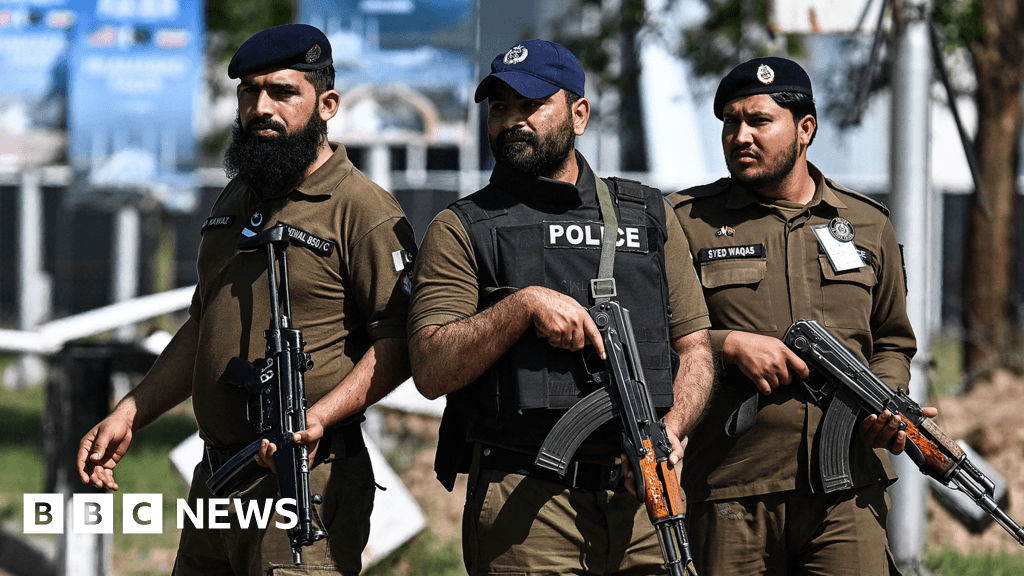
The stakes described across the reports extend from the Strait of Hormuz to the security posture in Pakistan and the broader regional war picture.
“Munir Ahmed, Associated PressMunir Ahmed, Associated Press Jon Gambrell, Associated PressJon Gambrell, Associated Press David Rising, Associated PressDavid Rising, Associated Press Leave your feedback ISLAMABAD (AP) — Iran's top diplomat was heading Friday to Pakistan, where officials have been trying to get the United States and Iran to convene for a second round of ceasefire negotiations”
France 24 said Islamabad was the planned venue for U.S.-Iran talks that failed to materialize earlier this week, and it connected the diplomacy to the wider Washington-Tehran ceasefire agreement, while also noting that Hezbollah dismisses Lebanon ceasefire extension and that the war in Lebanon ran in parallel with the wider Iran war.
It said Qatar’s Emir Sheikh Tamim bin Hamad Al Thani discussed developments in the Washington-Tehran ceasefire agreement in a phone call with U.S. President Donald Trump, and it reported that the Qatari leader said his country would continue coordinating with partners to support mediation efforts led by Pakistan.
The Guardian reported that Iran had said it would not restart talks until the U.S. lifted its blockade of Iranian ports, while the U.S. was demanding verifiable assurances that Tehran would end its nuclear programme and lift its own crippling blockade of the strait, and it described a new idea being canvassed in which Iran is considering parcelling up its 400kg stockpile of highly enriched uranium.
It also quoted Esmail Baghaei on Iranian TV saying the main subject in negotiations was no longer the nuclear issue, but instead "ending the war in a way that secures the country’s interests," and it added that he said, "We accept the ceasefire only if it is the first step to bringing the war to an end on all fronts."
The Guardian further reported that at a Pentagon briefing, Defense Secretary Pete Hegseth said the U.S. had all the time in the world and that a total of 34 ships had been turned back as part of the U.S. blockade of Iran’s ports, and it quoted his warning that the U.S. would without hesitation shoot and kill anyone in boats laying mines.
Al Jazeera described the disruption to daily life in Islamabad, quoting Maheen Saleem Farooqi saying, "Your entire day is held upright by a carefully planned structure," and it said authorities severely curtailed movement within the capital, with negotiations expected to be at the Serena hotel where the first round of talks was held.
More on Iran

Trump Sends Steve Witkoff and Jared Kushner to Pakistan for Iran Talks With Abbas Araghchi
12 sources compared
Trump Orders U.S. Forces To Board Iranian Ships Amid Hormuz Blockade
17 sources compared

Ahmad Vahidi and the IRGC Control Iran, Jerusalem Post Says Mojtaba Khamenei Not Leading
22 sources compared
Abbas Araghchi Arrives in Pakistan as Witkoff and Kushner Prepare Direct Iran Talks
17 sources compared