Iran22 April, 20268 min read
Abbas Araghchi Says US Violations Drove Strait of Hormuz Crisis After Iran Seized Two Ships
This article is an automated aggregation of coverage from news outlets. Our editorials offer in-depth analysis curated by the NewsCord team.
IRGC Navy seized two ships in the Strait of Hormuz for maritime violations. Iranian Foreign Minister Abbas Araghchi says US violations directly caused Strait of Hormuz crisis.
Le Monde.fr was read line by line by the Watchdog: 1.9. See the score →
Hormuz standoff escalates
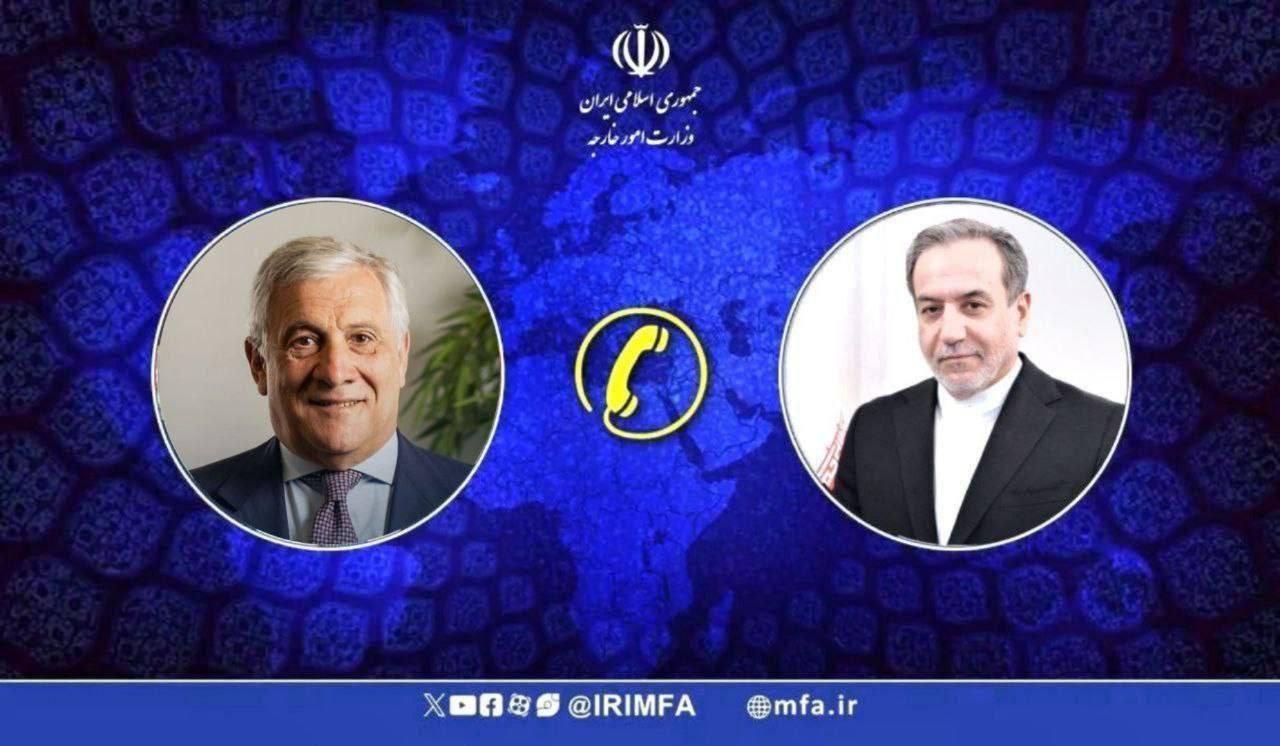
Iran’s Foreign Minister Abbas Araghchi said the “current situation in the Strait of Hormuz” is a “direct consequence of US violations of international law,” and he linked the crisis to “lawlessness and its illegal military strikes against a sovereign UN member.” In a phone conversation with Italy’s Foreign Minister Antonio Tajani on Wednesday morning, Araghchi said Iran, “as a coastal state of the Strait of Hormuz,” has “implemented measures under international law to safeguard its security.” Araghchi also condemned what he called the “silence of certain European states” over “US-Israeli military aggression against Iran's peaceful nuclear facilities,” warning that “double standards” are “increasingly weakening international law and undermining the non-proliferation regime.”
The same diplomatic thread appears in Iran’s Ministry of Foreign Affairs account, which says Araghchi described the Strait of Hormuz situation as the “direct result of US lawlessness and arbitrariness in militarily attacking a sovereign UN member state.” While Tehran frames the crisis as a response to US and Israeli actions, multiple outlets describe active maritime incidents in the strait on April 22, including Iran’s claim that it seized ships and directed them toward Iranian waters.
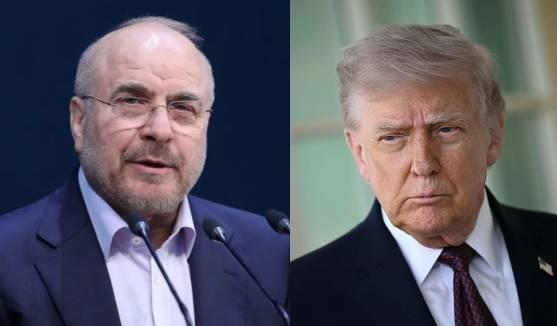
Le Monde reported that Iran’s Revolutionary Guards said, “The Islamic Revolutionary Guard Corps naval force this morning identified and stopped in the Strait of Hormuz two violating ships,” adding that “The two offending ships... were seized by the IRGC's naval forces and directed to the Iranian coast.” CNBC likewise said Iran’s navy announced it had seized two container ships and transferred them to Iranian shores, while noting it “could not independently verify the claim.”
Seizures, gunfire, and ships
On April 22, Iran’s Revolutionary Guard Navy and other Iranian-linked channels described maritime actions in the Strait of Hormuz, while Western and international monitors reported attacks and damage.
Le Monde said the Guards issued a statement that “The two offending ships... were seized by the IRGC's naval forces and directed to the Iranian coast,” and it added that UK-based maritime security monitors confirmed “three commercial vessels had reported incidents involving gunboats in the strait.”

Le Monde identified one ship as the Panama-flagged container ship MSC Francesca, IMO:9401116, and another as the Liberia-flagged Epaminondas, IMO:9153862, and it said Marine Traffic showed their last known positions “closer to the Iranian coast of the strait, northeast of Oman.”
Before the latest incidents, Le Monde reported that UKMTO said one container ship reported it was fired upon by an IRGC boat “15 nautical miles northeast of Oman,” causing “damage to the bridge but no casualties.”
It also said a third ship was fired upon and stopped “eight nautical miles west of the Iranian coast,” with UKMTO not identifying the attackers.
CNBC reported similar timing and geography, saying UKMTO center stated a vessel was fired upon “about 8 nautical miles off the coast of Iran at 8:38 a.m. London time (3:38 a.m. ET)” and that “the crew were reported to be safe and accounted for.”
CNBC also said an earlier report described an attack “roughly 15 miles northeast of Oman at 5:47 a.m. London time,” where a Revolutionary Guard gunboat fired and caused “heavy damage” to the bridge.
In a different framing, Drop Site News described Iran’s Islamic Revolutionary Guard Corps firing on a container ship in the strait, saying it “damag[ed] the vessel without causing casualties or environmental harm,” citing the UK Maritime Trade Operations, while Nour News disputed that account and said the ship “had ignored warnings and suffered extensive damage.”
Ceasefire extended, talks delayed
Alongside the maritime incidents, multiple outlets described a US-Iran ceasefire extension and the uncertain path toward negotiations. DW said Trump extended a “fragile ceasefire indefinitely” while maintaining a blockade of the Strait of Hormuz, and it reported “There is skepticism in Tehran despite the extension,” adding that “Senior Iranian officials had not formally responded to the decision.” DW also said Iran had “not asked for a ceasefire extension,” citing a state news agency, and it described the first round of talks as having failed “mainly due to deep differences over Tehran's nuclear program.”
CNBC reported that the announcement came “shortly after President Donald Trump said the U.S. would extend the ceasefire with Iran to allow for the Islamic Republic's leaders to submit a ‘unified proposal’ to end the war,” and it linked the timing to reports that Vice President JD Vance’s trip to Pakistan for a second round of peace talks had been put on hold. Le Monde similarly noted that “Before the latest attacks, Trump had said he had pushed back the end of the two-week truce,” citing a request by Pakistani mediators and the need to give Iran’s “fractured” leadership time to form a proposal. Drop Site News asserted that President Donald Trump extended the ceasefire “indefinitely,” saying it was at the request of Pakistani Field Marshal Asim Munir and Prime Minister Shehbaz Sharif, and it quoted Trump’s Truth Social language that he had directed the military “to maintain the naval blockade and remain on full readiness for the duration of the extension.”
Drop Site also claimed that Iran would not attend a second round of talks because “Pakistan had promised that Trump would lift the blockade,” and it said “As soon as [the U.S.] breaks the naval blockade, the next round of negotiations will take place in Islamabad.” In parallel, PressTV and Iran’s foreign ministry accounts argued that Iran’s measures in the strait were tied to US actions and the global economic fallout, with PressTV saying the “biggest-ever disruption” at the waterway has “fueled inflation and slowed the global economy.”
Competing narratives and blame
The dispute over responsibility for the Strait of Hormuz crisis is presented through competing narratives across the sources, with Iranian officials and outlets emphasizing US and Israeli “aggression,” while Western reporting focuses on maritime incidents and diplomatic sequencing. PressTV and Iran’s Ministry of Foreign Affairs both attribute the crisis to US “violations of international law” and “illegal military strikes,” with PressTV saying Araghchi reiterated that the situation stems from US “lawlessness and its illegal military strikes against a sovereign UN member.” The Iranian foreign ministry account adds that Araghchi “condemned the aggressive US and Israeli attacks on Iran's peaceful nuclear facilities,” and it warns that “European countries' silence” is “unacceptable.”
In a separate Iranian-linked report, خبرگزاری موج frames the issue as a ceasefire violation, saying Iran regards the attack on the tanker “Tooska” as a “clear and fundamental violation of the ceasefire of 8 April 2026,” and it quotes a letter from Saeed Iravani to the UN Security Council. That letter says the US attack on “Tooska” was “a hostile and illegal attack” and calls it “a flagrant and explicit violation of the fundamental principles of international law,” further stating it “constitutes an act of aggression.” Western mainstream outlets, by contrast, describe the operational claims and the uncertainty around verification: CNBC says it “could not independently verify the claim” that Iran seized two container ships, and it reports UKMTO warnings about “high levels of activity.”
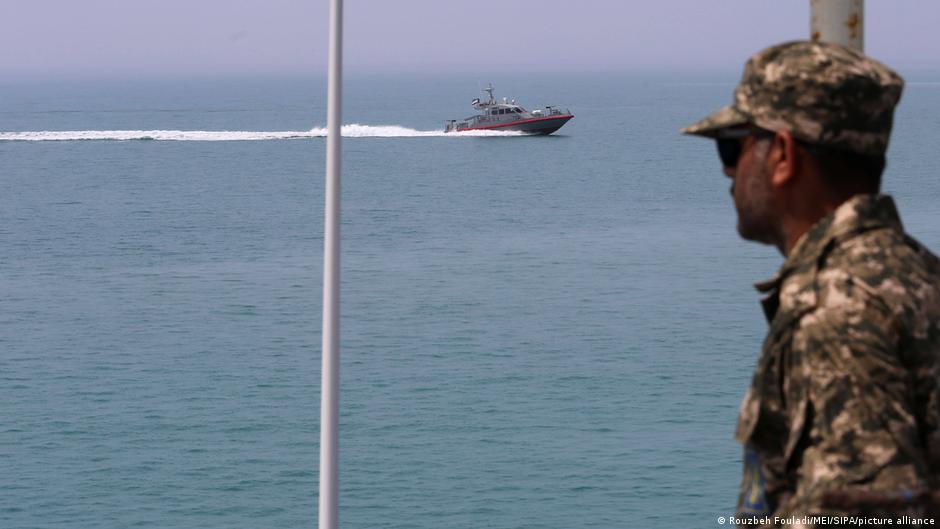
Le Monde adds that UKMTO said one ship was fired upon “15 nautical miles northeast of Oman” with “no casualties,” and it reports that the US Defense Department said Tuesday that US forces intercepted and boarded a “stateless sanctioned” vessel. Drop Site News adds a further layer of dispute by describing how UKMTO said the gunboat opened fire “without warning,” while Nour News “disputed that account” and said the ship ignored warnings and suffered “extensive damage.”
Economic and aviation fallout
The sources also tie the Hormuz crisis to economic disruption and sectoral impacts, including aviation and energy pricing.
PressTV says the “biggest-ever disruption at the Persian Gulf waterway” is a “major transit point for about 20 percent of global oil and liquefied natural gas shipments,” and it says the disruption has “fueled inflation and slowed the global economy, with an impact expected to last for months.”

Drop Site News adds an EU perspective, quoting European Union Energy Commissioner Dan Jørgensen as saying the “Iran war was costing Europe around 500 million euros (approx. $585 million) each day and would affect prices for years to come,” and it quotes him describing it as “This is not a short-term, small increase in prices. This is a crisis that is probably as serious as the 1973 and the 2022 crises combined.”
DW reports that the war in Iran is affecting global aviation, saying “Shortages and surging prices of jet fuel are wreaking havoc on flight routes,” and it cites Lufthansa canceling “20,000 flights between May and October.”
DW also says the fuel crisis forced “African airlines to raise ticket prices, cancel flights, and reconsider their operations” to remain financially viable.
In the same broader economic framing, Drop Site News claims “Oil spills from Iran war visible from space,” saying multiple oil spills are visible after Iranian and U.S.-Israeli strikes hit oil facilities and vessels, and it cites an image taken on “April 7” showing a spill spanning “more than five miles in the Strait of Hormuz near Iran’s Qeshm Island.”
CNBC provides a market snapshot, reporting that Brent crude futures with June delivery traded “0.5% higher at $99.03 per barrel,” while West Texas Intermediate futures with June delivery traded “up 0.5% at $90.13.”
Together, these accounts portray a crisis that is not limited to naval encounters, but also reaches energy markets, airline operations, and environmental risk narratives.