U.S.-Iran Negotiations In Doubt As Ceasefire Timeline Remains Unclear
Key Takeaways
- Ceasefire expiration timing remains unclear amid mixed signals on extension.
- Trump says peace talks with Iran possible within 36-72 hours.
- A second round of talks expected as soon as Friday.
Talks in Limbo
Uncertainty over U.S.-Iran negotiations intensified as the expected next round of talks remained in doubt, with U.S. and Iranian officials’ timing and even the ceasefire timeline described as unclear.
Oregon Public Broadcasting reported that “The U.S. and Iran were expected to begin a new round of talks in Pakistan this week, but there’s increasing uncertainty about when or if they will happen,” and it said “Even the timing of when the temporary U.S.-Iran ceasefire expires is unclear.”

The same report said officials in Islamabad told it the city “remains ready to host the talks,” while “Pakistan’s government has given no formal indication about the status of its ongoing mediation efforts.”
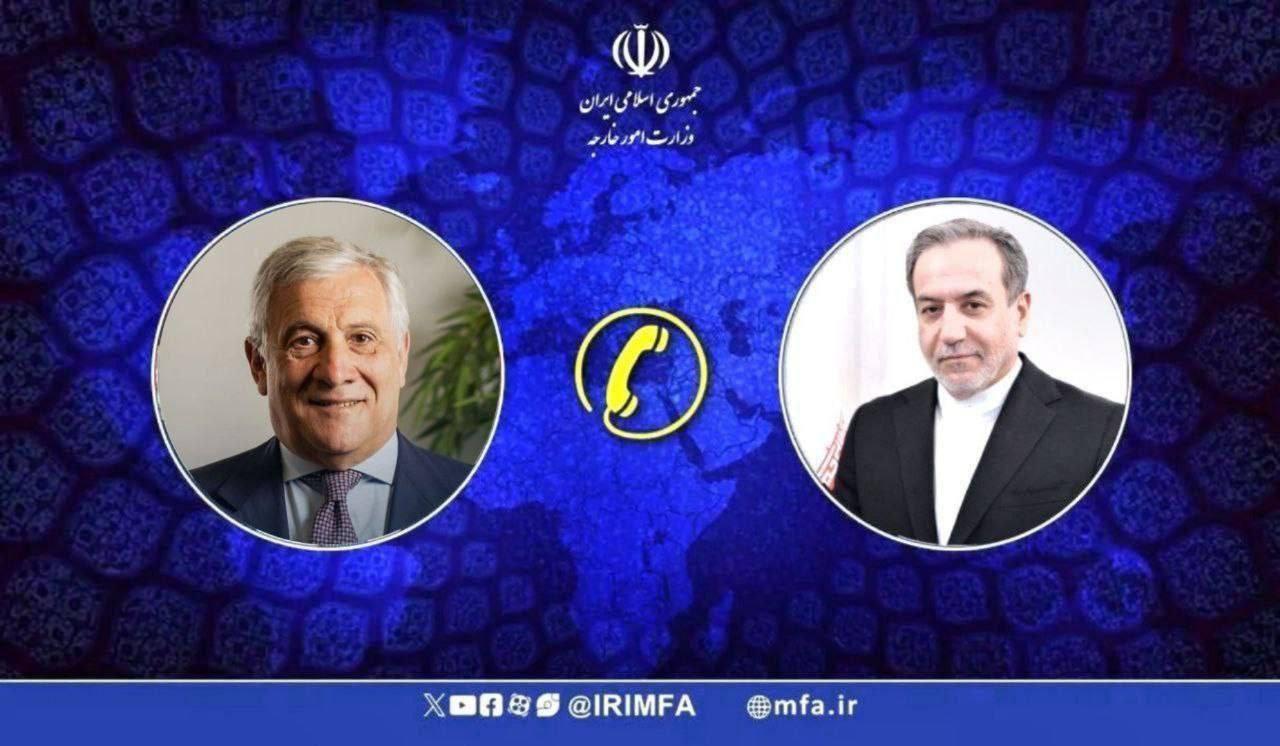
In parallel, Khabar Online described Abbas عراقجي, the Foreign Minister of the Islamic Republic of Iran, pointing to the seriousness of the atmosphere during the conclusion of the third round of nuclear talks and saying “there is an understanding on most of them.”
Khabar Online also said the Iranian Foreign Ministry spokesperson إسماعيل بقائي “said that channels of communication remain open between Iran's Foreign Minister عباس عراقجي and the U.S. special envoy ستيف ويتكوف.”
The dispute over what the U.S. is asking Iran to do centered on “control over the Strait of Hormuz and the future of Iran’s nuclear program,” according to Oregon Public Broadcasting, which added that “Around 20% of the world’s crude oil and natural gas passes through the narrow strait.”
Strait, Nuclear, and Ceasefire Demands
Negotiators’ demands were framed around two central issues: the Strait of Hormuz and Iran’s nuclear program, with the ceasefire’s extension tied to conditions on both sides.
Oregon Public Broadcasting said Washington’s main points of contention included “control over the Strait of Hormuz and the future of Iran’s nuclear program,” and it reported that the Trump administration wants “commercial shipping through the strategic waterway to be fully restored.”

It added that Iran’s leverage over the U.S. has been “its control of the strait, including the collection of tolls from commercial ships passing through it as a condition for reopening the waterway.”
The same report described how Iran’s demands for extending the ceasefire include “an end to the U.S. naval blockade of Iranian ports and guarantees that the fighting between Israel and Hezbollah will not resume.”
France 24, looking at the broader negotiation context, said Iran offered to limit its nuclear program “in exchange for sanctions relief,” while it “rejected other demands,” and it quoted Masoud Pezeshian warning that his country “will not yield to excessive demands.”
BBC similarly described the nuclear talks as “at a critical stage,” saying Netanyahu is expected to urge Trump to pursue an agreement that would “halt Tehran's uranium enrichment” and also constrain “its ballistic missile program” and support for “proxy groups such as Hamas and Hezbollah.”
In the midst of these disputes, Al الشرق reported that Iran’s Foreign Ministry said there were “no plans” yet for a new round of negotiations and argued that American steps, including “the seizure of an Iranian vessel and the imposition of a blockade on ports,” were “clear violations” of the ceasefire.
Trump’s Messaging and Israeli Pressure
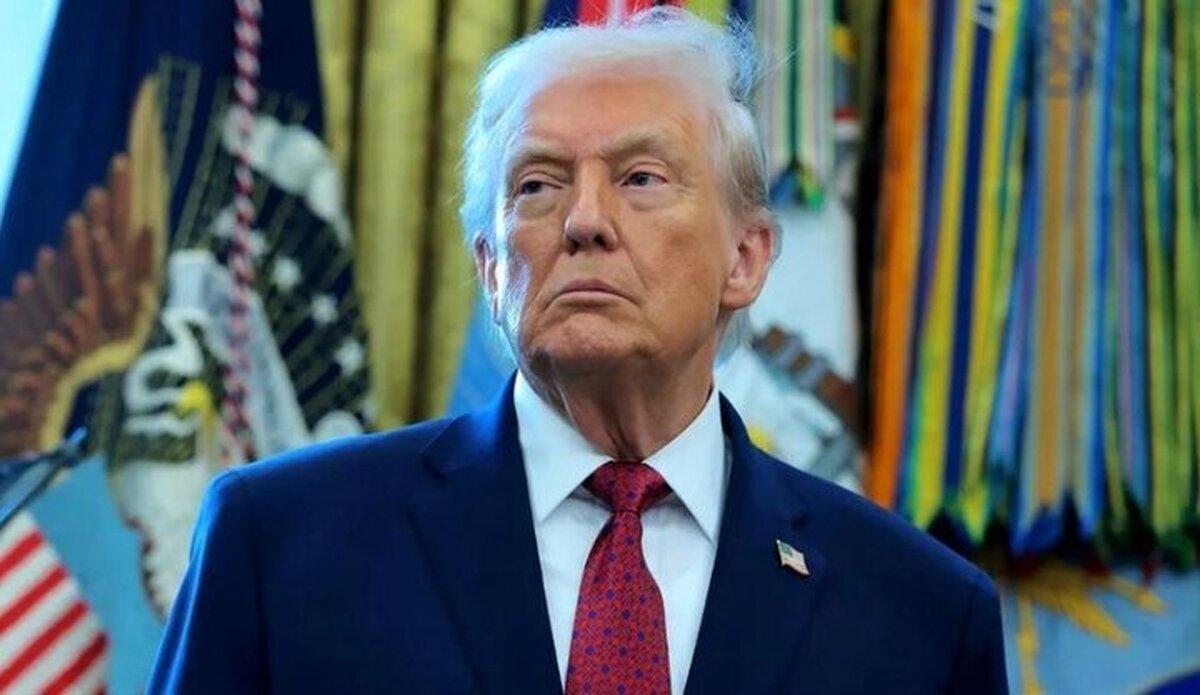
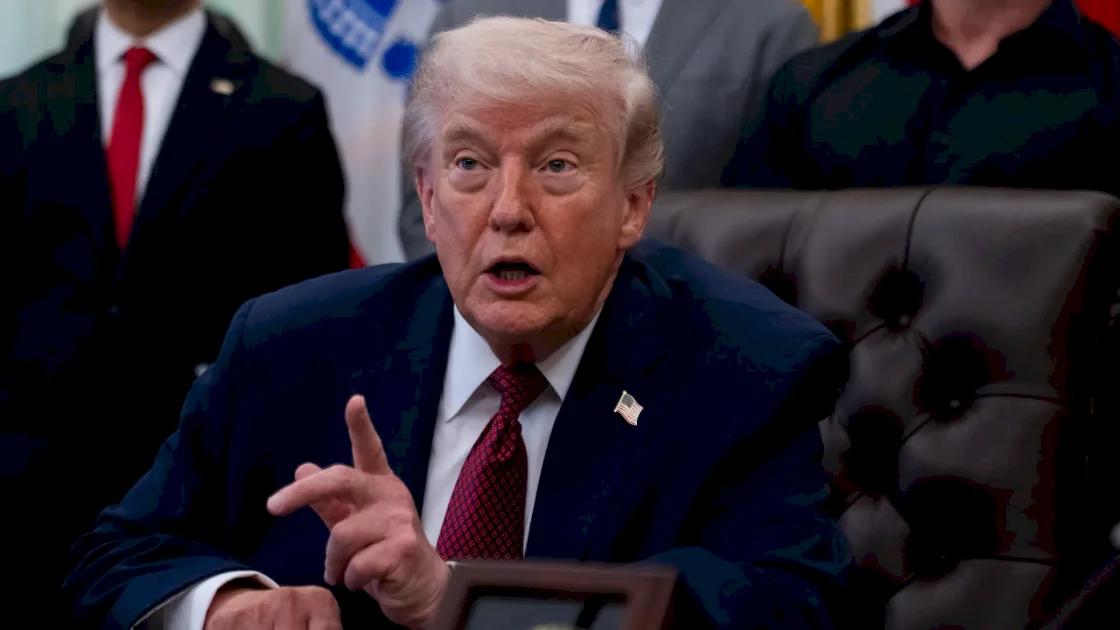
As talks remained uncertain, U.S. President Donald Trump’s public messaging hardened around the idea that he was not under pressure to reach a deal and that Iran must not obtain nuclear weapons.
“Trump renews claim of destroying Iran's nuclear program with June 2025 raids U”
Axios reported that Trump “railed against Iran war critics in a series of Truth Social posts,” insisting he was under “no pressure” to make a deal with Tehran as peace talks remained in limbo Monday.
It quoted Trump writing, “Time is not my adversary,” and it said he argued his eventual deal would be “FAR BETTER” than former President Obama’s 2015 nuclear deal.
Axios also included Trump’s insistence that “IRAN CAN NEVER HAVE A NUCLEAR WEAPON,” and it quoted him saying, “The DEAL that we are making with Iran will be FAR BETTER than the JCPOA.”
Oregon Public Broadcasting described Trump’s position in a different setting, reporting that in an interview on “The John Fredericks Show” he said Iran “will not have a nuclear weapon,” and it warned that “They’re going to see problems like they’ve never seen before.”
BBC reported that Netanyahu is expected to urge Trump to pursue an agreement that would also constrain Iran’s ballistic missile program and support for proxy groups, and it said Netanyahu told reporters, “I will present my views on the principles of these negotiations to the president.”
Arab 48 reported that a senior Israeli official warned Israel was prepared to return to fighting Iran “with American approval,” saying “no understandings have been reached regarding the nuclear file between Tehran and Washington.”
Mediation, Confusion, and Competing Signals
Multiple reports described a mediation process that produced confusion and mutual distrust, with Iran and the U.S. sending mixed signals through intermediaries.
Al الشرق said Iranian officials told mediators that they “do not want to be duped again,” after they were “duped twice by the American president,” and it said Axios cited a source familiar with the discussions.

It also described how Washington and Tehran had reached a preliminary agreement in Geneva “to continue the talks the following week,” but two days earlier Iran came under a new American-Israeli attack, increasing doubts that the offer to talk was “just another trick.”
The same report said “One of the president's advisers told Axios that 'Trump has a hand extended to reach a deal, and another clenched as a fist awaiting a strike.'”
It further reported that a senior Iranian official told Reuters that Pakistan had delivered an American proposal to Iran, while the official said “the location of the talks had not yet been decided” and that his country was still studying the proposal.
Khabar Online, by contrast, emphasized that “channels of communication remain open” between Abbas عراقجي and U.S. special envoy ستيف ويتكوف, and it said the Iranian Foreign Minister pointed to “the seriousness of the atmosphere” during the third round and that “there is an understanding on most of them.”
عين ليبيا reported that Iranian television quoted Iranian television confirming that international reports about an Iranian diplomatic delegation heading to Pakistan were “incorrect,” and it stressed that “no Iranian diplomatic delegation, whether primary or secondary, has so far traveled to the Pakistani capital, Islamabad.”
Energy Stakes and Military Options
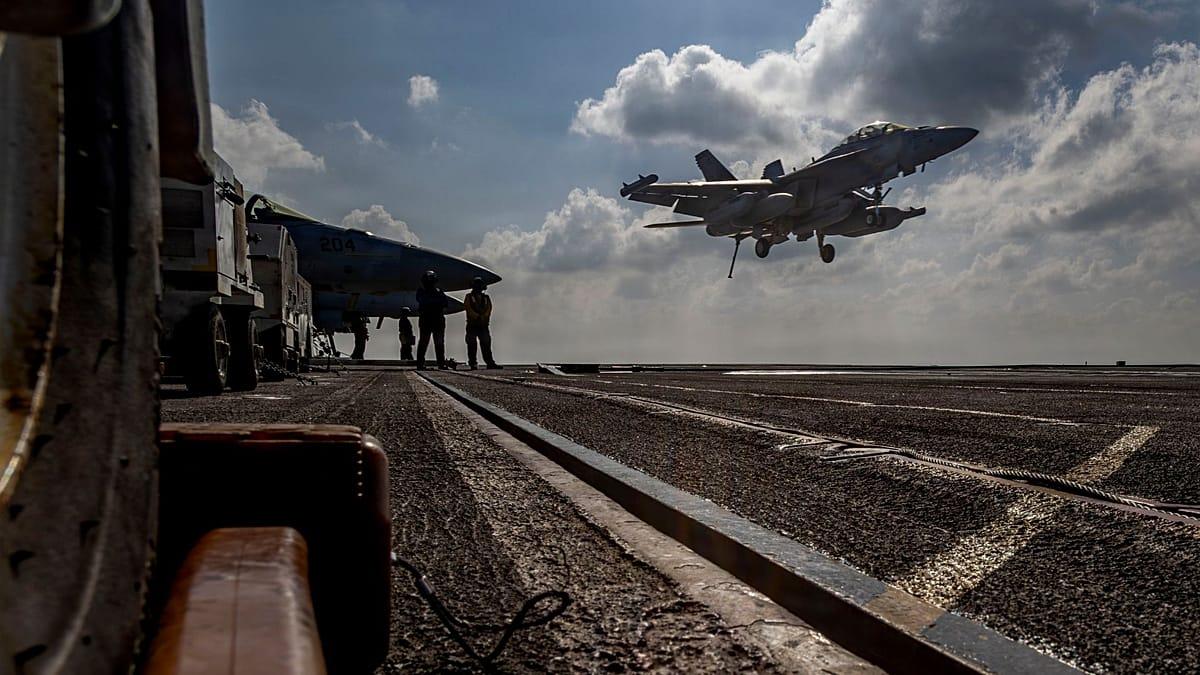
The negotiation uncertainty unfolded alongside escalating military and energy stakes, with multiple outlets describing U.S. pressure, Iranian responses, and the risk to global energy security.
“Skip to main content Apr 20, 2026 - Politics & Policy Trump rages at Iran war criticism: "Time is not my adversary" Rebecca Falconer email (opens in new window) sms (opens in new window) facebook (opens in new window) twitter (opens in new window) linkedin (opens in new window) bluesky (opens in new window) Add Axios as your preferred source to see more of our stories on Google”
BBC reported that Trump warned that if Tehran does not reach a nuclear agreement it will be targeted by strikes, and it said Trump was “considering” dispatching a second carrier strike group to the Middle East.

It also said Trump told Axios that “we have a large fleet on the way, and another one may be dispatched,” and it reported that Iran’s president at a ceremony in Tehran said, “Our Iran will not submit to aggression, but will continue with full force to engage in dialogue with neighboring countries to establish peace and security in the region.”
عين ليبيا described the International Energy Agency saying “84 energy facilities in the Gulf region were damaged,” including “34 facilities severely damaged,” and it said the IEA expected production would take “at least two years to return to normal.”
It quoted IEA Director-General Fatih Birol warning that closing the Strait of Hormuz poses a “great risk to global energy security,” and it cited “a daily loss of about 13 million barrels of crude oil.”
The same report said Iran’s armed forces announced the “re-closure of the Strait of Hormuz,” causing congestion of “more than 200 oil tankers and 10 LNG carriers.”
Meanwhile, يورونيوز described an eve-of-talks escalation, saying an Israeli institute revealed “25 potential targets for an attack on Iran,” and it reported that the second round of Iran–U.S. negotiations was scheduled for Tuesday in Geneva, Switzerland.
More on Iran
Iranian Forces Seize Two Container Ships in Strait of Hormuz After Trump Extends Ceasefire
40 sources compared

Iran’s IRGC Navy Seizes Two Ships in Strait of Hormuz After Trump Extends Ceasefire
59 sources compared
Abbas Araghchi Says US Violations Drove Strait of Hormuz Crisis After Iran Seized Two Ships
12 sources compared
Trump Extends U.S.-Iran Ceasefire Indefinitely After Iran Misses Talks in Islamabad
21 sources compared