
Iran’s IRGC Navy Seizes Two Ships in Strait of Hormuz After Trump Extends Ceasefire
Key Takeaways
- IRGC Navy seized two cargo ships attempting to cross Strait of Hormuz.
- Trump extended the ceasefire indefinitely, delaying negotiations.
- Iran accuses US and Israel of ceasefire violations, hindering diplomacy.
Ceasefire extended, ships hit
President Donald Trump extended a ceasefire with Iran “until negotiations conclude” and said the United States would continue to blockade Iranian ports, even as Iran accused the United States and Israel of “blatant violations” of the ceasefire agreement.
The BBC reported that Iran’s chief negotiator with the US, Mohammad Bagher Ghalibaf, said it was “not possible” to re-open the Strait of Hormuz due ceasefire “violations,” while Iranian President Masoud Pezeshkian said the US blockade, threats and a “breach of commitments” were obstacles to negotiations.

The BBC also tied the diplomatic uncertainty to an earlier Iranian attack on three cargo ships in the strait, noting that two were seized for “inspection” by the IRGC Navy.
CNN reported that Trump extended the ceasefire “until peace talks have ended,” while an Iranian senior adviser said the extension “means nothing” and Tehran should respond militarily.
In parallel, the British maritime agency said a container ship in the Strait of Hormuz was attacked by an Iranian gunboat, with the UK Maritime Trade Operations center saying the boat belonging to Iran’s Revolutionary Guard “fired upon the vessel,” causing “heavy damage to the bridge.”
NBC News added that Iran’s semiofficial news agencies reported the Revolutionary Guard attacked a third ship on Wednesday in the Strait of Hormuz, naming the vessel as the Euphoria.
The Washington Post reported that Iranian forces seized two container ships in the Strait of Hormuz on Wednesday, according to Iranian state media, “just hours after President Donald Trump initially calmed fears of renewed violence” by extending the ceasefire indefinitely.
What led to the standoff
The ceasefire extension came after a sequence of attacks and seizures in the Strait of Hormuz that both sides used to argue the other was undermining diplomacy.
The BBC said it followed “an Iranian attack on three cargo ships in the strait earlier on Wednesday,” adding that “two of which were seized for ‘inspection’ by the IRGC Navy.”

CNN described the US side as continuing pressure through a blockade, reporting that Trump said the US would continue to blockade Iranian ports, which Iran’s foreign minister previously said amounted to an “act of war.”
NBC News said Iran demanded the immediate release of a cargo ship seized by the U.S. and vowed retaliation, while the American naval blockade added to tensions around the crucial Strait of Hormuz.
Reuters’ framing in the BBC’s account also connected the diplomatic impasse to Iran’s insistence that the Strait could not be reopened while “violations” continued, with Mohammad Bagher Ghalibaf saying it was “not possible” to re-open the strait due ceasefire “violations.”
Al-Jazeera Net described the negotiations as “growing increasingly hazy,” saying Tehran insisted on lifting the naval blockade as a precondition for sitting at the negotiating table while affirming “complete military readiness.”
Rigzone added that Iran says it will not reopen the Strait of Hormuz—or restart peace talks—until the US naval blockade ends, and that Iranian gunboats fired on two ships in the strait on Wednesday.
In the background of the brinkmanship, the New York Times reported that the pause in hostilities was set to expire within hours and that Trump acted after receiving a request from Pakistan to hold off any attacks, while Iran’s foreign minister, Abbas Araghchi, called the blockade “an act of war.”
Voices clash over talks
Iranian and US officials offered sharply different interpretations of what the ceasefire extension means, and the dispute spilled into direct language about negotiations and military readiness.
CNN reported that an Iranian senior adviser said the extension “means nothing” and Tehran should respond militarily, while NBC News said Iran’s top negotiator warned it will not negotiate “under the shadow of threat” and has prepared “new cards on the battlefield.”
The BBC quoted Iran’s chief negotiator with the US, Mohammad Bagher Ghalibaf, saying it was “not possible” to re-open the Strait of Hormuz due ceasefire “violations,” and it quoted Masoud Pezeshkian saying the US blockade, threats and a “breach of commitments” were obstacles to negotiations.
In Washington, Trump framed the extension as a chance for Iran to unify around a proposal, posting that he would extend the ceasefire until its leaders “can come up with a unified proposal,” as NBC News reported.
The New York Times said Trump acted after receiving a request from Pakistan to hold off any attacks, and it reported that Iran’s first response came from an adviser to Mohammad Bagher Ghalibaf, Mahdi Mohammadi, who wrote: “The extension of the cease-fire by Donald Trump has no meaning.”
Al-Jazeera Net added that Iran’s Foreign Ministry spokesperson said Tehran will take “appropriate measures” if the “logical circumstances for using diplomacy become available,” and it quoted the stance that diplomacy is a means to defend national interests and security.
Pakistan’s role also appeared in multiple accounts, with Rigzone saying Trump said Pakistan asked the US to hold off on a threatened resumption of airstrikes, and with NBC News saying Guterres “fully supports Pakistan’s efforts in facilitating further talks.”
Different outlets, different angles
The same ceasefire extension and ship attacks were framed differently across outlets, with some emphasizing diplomacy and others emphasizing coercion, military risk, or the economic stakes.
NBC News presented the extension as “offering time for Tehran to unify around a proposal,” and it quoted Trump’s Truth Social post that the ceasefire would continue until leaders “can come up with a unified proposal,” while also stating that the U.S. blockade of its ports would remain in place.

CNN highlighted internal Iranian politics and US suspicions, saying Trump’s top aides believed a main reason they didn’t hear back was “fractures within the current Iranian leadership,” and it reported that Vice President JD Vance’s trip to Islamabad was called off for the day.
The New York Times emphasized the uncertainty of whether talks would happen, reporting that the extended cease-fire would stay in effect until Iran’s “leaders and representatives can come up with a unified proposal,” and it described Iran’s adviser Mahdi Mohammadi dismissing the extension as having “no meaning.”
Rigzone focused on the brinkmanship over Hormuz and the limits of the US blockade, writing that “there’s still no sign the vital Hormuz waterway will be reopened” soon and that Iran keeps the strait closed to almost all other international traffic.
Euronews, by contrast, foregrounded the operational details of seizures, quoting IRGC statements that its naval force “identified and stopped” two violating ships and directed them to the Iranian coast, naming MSC Francesca and Epaminondas.
The Washington Post emphasized timing and diplomatic complications, saying Iran seized two container ships “just hours after” Trump extended the ceasefire indefinitely.
Even when outlets agreed on the existence of attacks, they differed on what they treated as central: the BBC stressed “blatant violations” and the impossibility of reopening Hormuz, while the AP News account stressed the extension at Pakistan’s request and the ongoing blockade as the war’s economic pressure mechanism.
Consequences for shipping and politics
The ceasefire extension did not end the immediate risks for shipping through the Strait of Hormuz, and multiple outlets described continuing attacks, seizures, and economic pressure as the diplomatic window opened.
“Trump says US is extending ceasefire while awaiting proposal from Iran 2 ships attacked in Strait of Hormuz, complicating diplomatic efforts to resume talks Today’s live updates have ended”
NBC News reported that the UN’s International Maritime Organization secretary-general Arsenio Dominguez condemned attacks on shipping after Iran’s Revolutionary Guard fired on three ships in the Strait of Hormuz, seizing two and taking them to Iran, saying: “The attacks on and seizures of commercial ships are unacceptable,” and urging an immediate halt and the release of vessels and crews.

NBC News also said Dominguez warned the situation remains “extremely volatile” and questioned why companies risk seafarers’ lives, adding that “Nearly 20,000 seafarers remain at sea after seven weeks.”
CNBC reported that the Strait of Hormuz remains closed and that as long as it remains so it continues to “severely restrict oil supply,” lifting inflationary pressures and weighing on global growth prospects, while also noting that Brent crude and West Texas Intermediate futures whipsawed at $99.81 and $90.86 per barrel as of 4:52 a.m. ET.
Rigzone warned that the standoff extends the choking of the transit point for about a fifth of the world’s oil and LNG supplies to almost two months, increasing the risk of a global inflation crisis.
The AP News account added that Scott Bessent said the blockade “directly targets the regime’s primary revenue lifelines” and that Kharg Island storage will be full and the fragile Iranian oil wells will be shut in, while also stating that Iranian funds would remain frozen.
In parallel, the NBC News account described Trump’s social media demand that Iran free women protesters, saying he was informed that four of the women will be “released immediately,” while four others will be sentenced to one month each in prison, and it quoted Trump: “I very much appreciate that Iran, and its leaders, respected my request ... and terminated the planned execution.”
The New York Times and other outlets also tied the diplomatic pause to broader regional dynamics, with the New York Times describing the war as beginning Feb. 28 and with the BBC reporting that President Joseph Aoun in Lebanon said talks were under way with Israel to “extend the ceasefire deadline.”
More on Iran
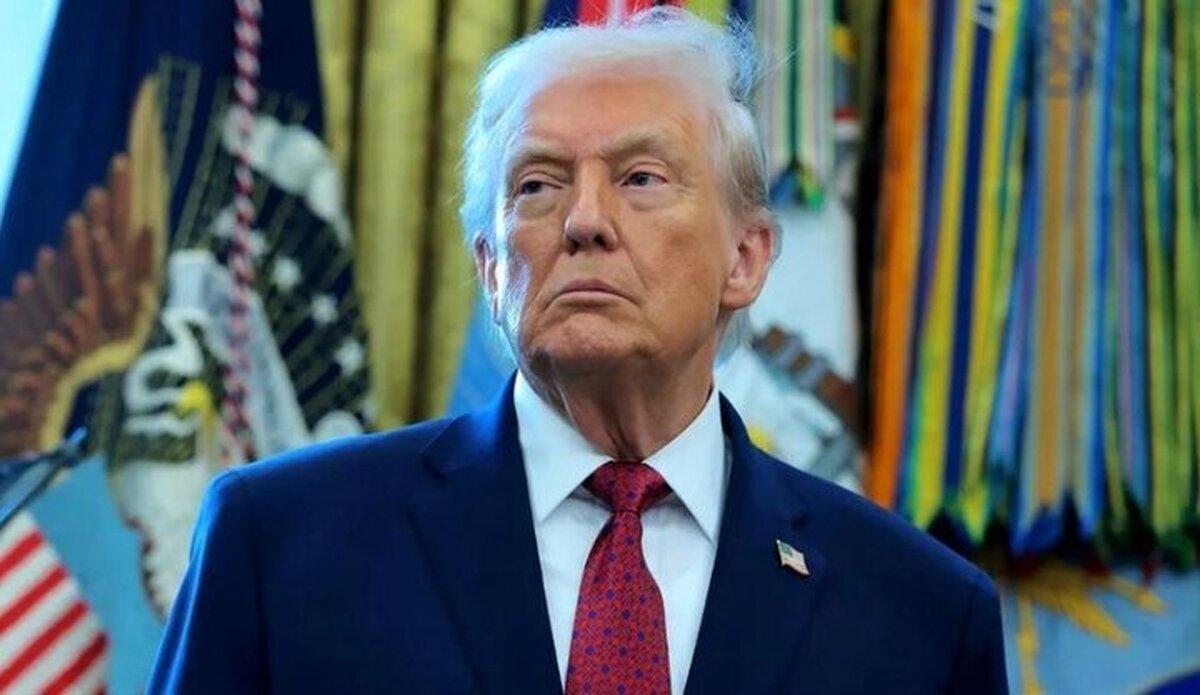
Iranian Forces Seize Two Container Ships in Strait of Hormuz After Trump Extends Ceasefire
40 sources compared
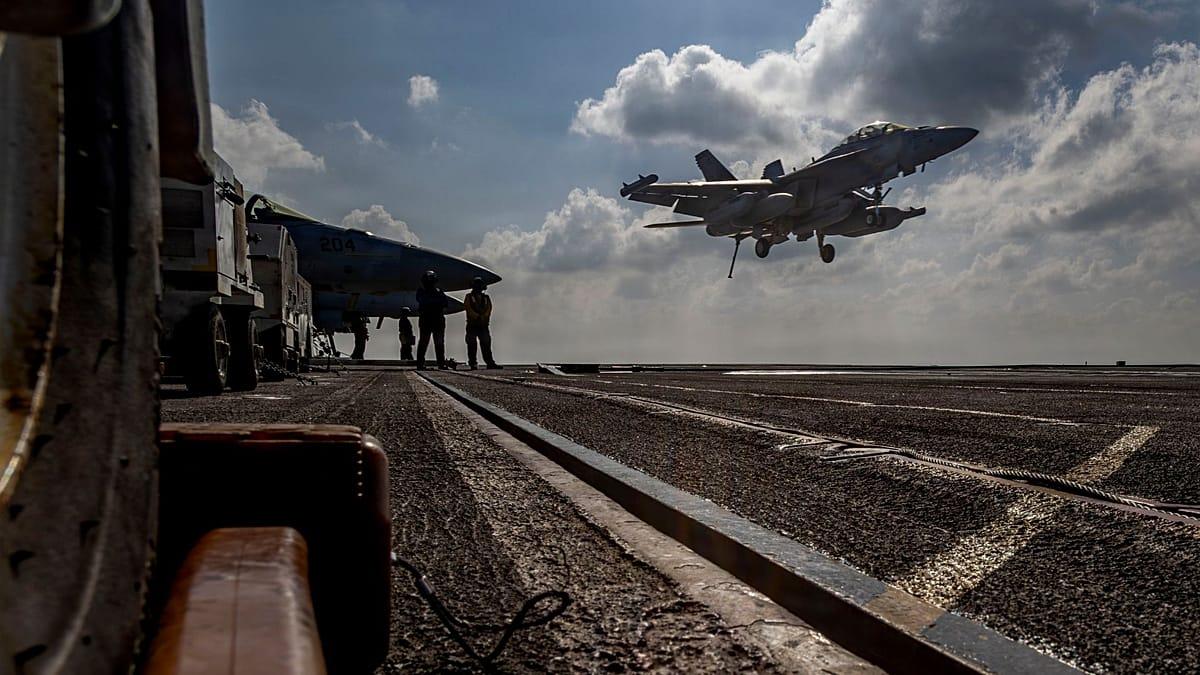
U.S.-Iran Negotiations In Doubt As Ceasefire Timeline Remains Unclear
29 sources compared
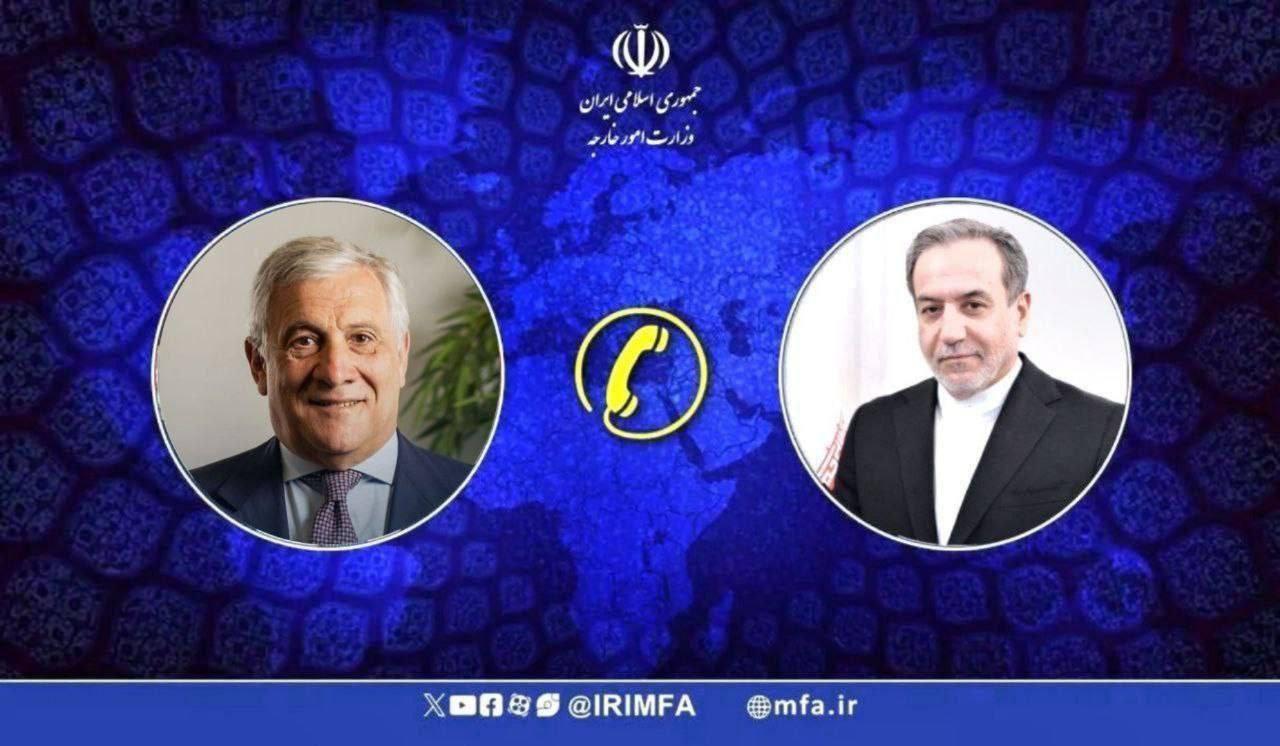
Abbas Araghchi Says US Violations Drove Strait of Hormuz Crisis After Iran Seized Two Ships
12 sources compared
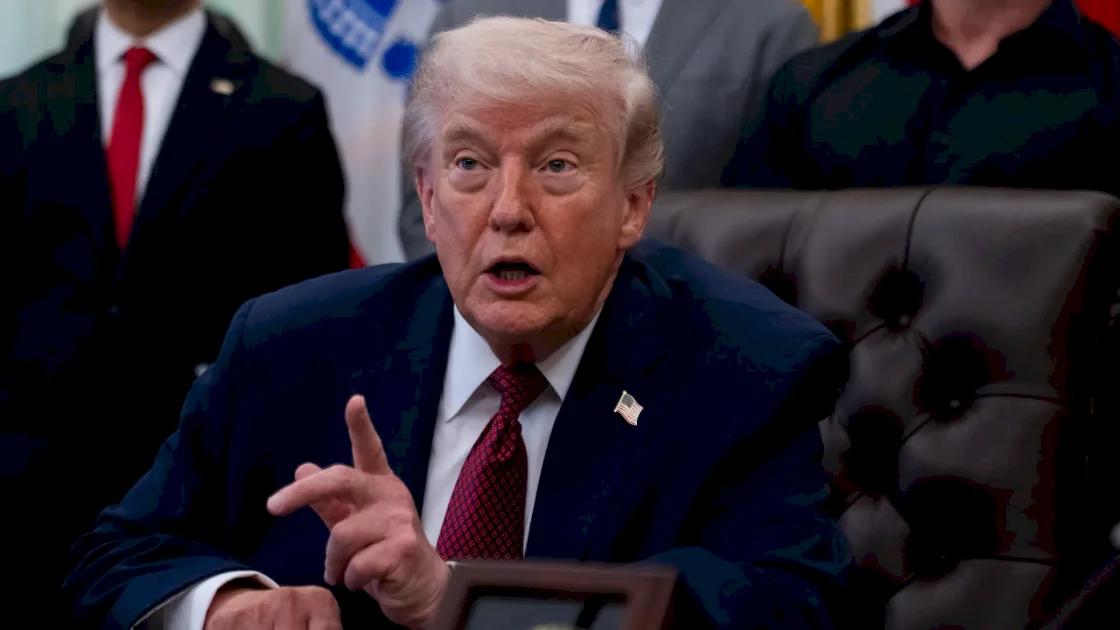
Trump Extends U.S.-Iran Ceasefire Indefinitely After Iran Misses Talks in Islamabad
21 sources compared