USA · 08 August, 2026 · 3 min read
Abelardo De la Espriella Orders Transfer of 117 High-Profile Prisoners Across Colombia
Abelardo de la Espriella ordered the transfer of 117 high-profile detainees to various prisons. INPEC executed the relocations as part of the president's early actions.
11 outlets told this the same way.
9 of 11 outlets skipped it: US announces $1 billion security aid and Colombia joins the Shield of the Americas.
11outlets compared
117 prisoners moved
President Abelardo de la Espriella ordered the immediate transfer of 117 high-profile prisoners linked to peace processes and negotiations, with the National Penitentiary and Prison Institute (INPEC) executing the mass transfer to maximum and high-security facilities across Colombia. The transfers moved inmates to facilities in El Barne, Ibague, Palmira, La Dorada, Valledupar, Girón, Medellin, and Bogota, as the De la Espriella administration framed the measure as designed to neutralize criminal operations originating from inside prisons. In a separate update, El Universal reported that on August 8, 17 prisoners arrived at Palogordo Prison, in Girón (Santander), as part of the first batch of the 117 detainees transferred from the Itagüí prison.
El Universal said the Presidency’s statement described the order as aimed to "reestablish control of the prisons and strengthen security conditions," while ColombiaOne said the administration framed the swift action as the beginning of a broader effort to reestablish absolute state dominance over correctional facilities. ColombiaOne quoted an official statement saying, "This is one of the first decisions adopted by theNational Governmentto recover permanent control of the prisons," tying the transfers to strict compliance with judicial orders and penitentiary control within the constitutional framework.

Inauguration and war
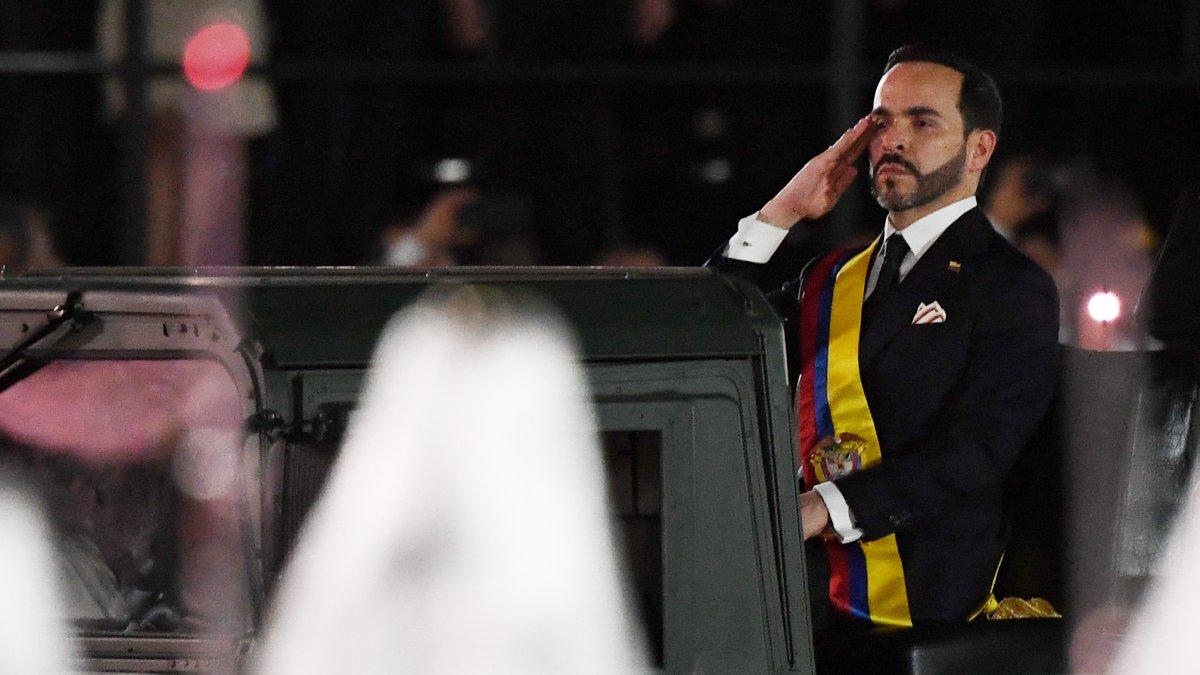
At his inauguration, Abelardo de la Espriella proclaimed the definitive end to negotiations with criminal and guerrilla organizations and said his administration would focus on restoring fundamental civil rights.
In Cali, at the Pichincha Military Canton, Diario Las Américas reported that De la Espriella promised "Recuperación total" of security and said his government would face "sin tregua, al narcoterrorismo y a todas las organizaciones criminales que amenazan la libertad de Colombia."
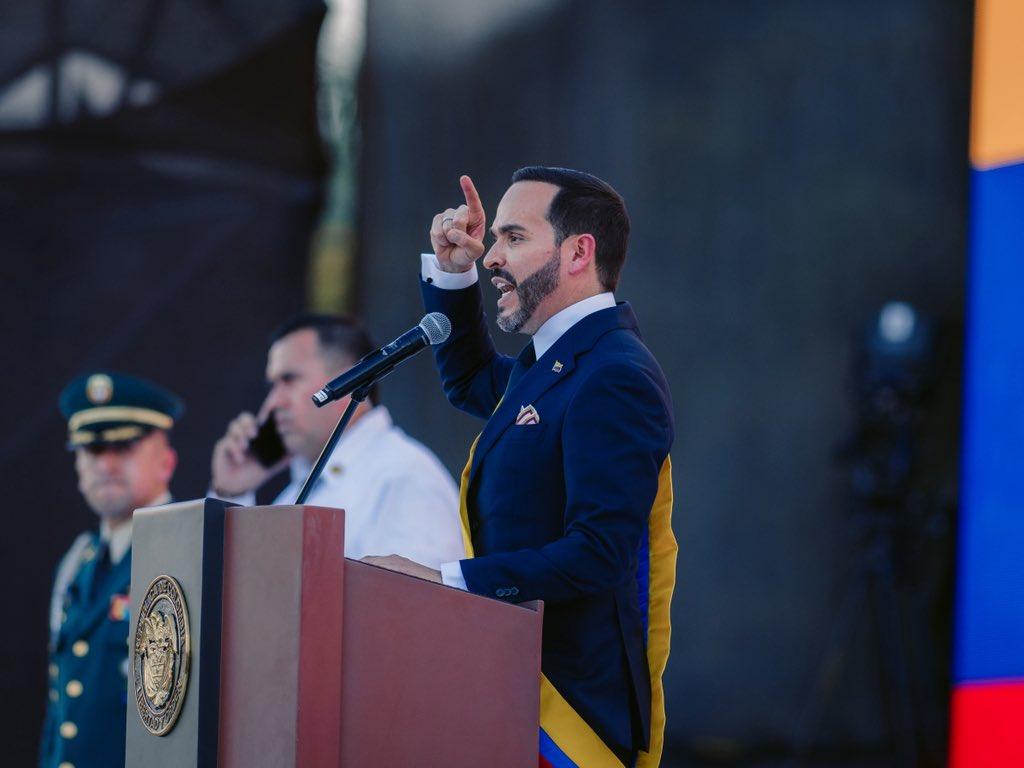
RFI said the president told uniformed personnel, "The option of dialogue is completely exhausted," and described his security policy as direct confrontation with criminal organizations.
Euronews reported that the U.S. State Department planned a one-billion-dollar security aid program for Colombia and said the program aims to help Washington and Bogotá achieve "our shared objectives."
RFI also said the inauguration was held with a strong military presence, with the city sealed off for several days with about 11,000 soldiers and a special anti-drone surveillance system, as Rodrigo Sedano explained on air that "The city is completely sealed off, for fear of an attack."
Aid, prisons, and fallout
The U.S. role in Colombia’s security agenda was highlighted by Euronews, which said the State Department announced plans to earmark $1 billion in security aid shortly after De la Espriella’s swearing-in and that Washington also announced Colombia had joined the "Shield of the Americas." Euronews quoted the State Department saying, "The Trump administration welcomes Colombia’s accession to the Shield of the Americas," and added that it stands ready to support the Espriella government’s efforts to defeat narcoterrorist and criminal organizations. In parallel, Portafolio.co described how Daneidy Barrera Rojas, known as Epa Colombia, was moved to the High and Medium Security Prison Complex in Ibagué by order of President Abelardo De La Espriella, and she wrote in an Instagram story, "Today has simply been a difficult day, one of those that weighs on the soul and that only God fully knows," after the transfer.
Pulzo reported that authorities began transferring 103 ringleaders from the Itagüí maximum-security prison in Antioquia to high-security penitentiaries in Bogotá, Palmira, Girón, Valledupar, and La Dorada, and it said the move included Barrera Rojas. Pulzo also said De la Espriella announced during his inauguration speech that he considers dialogues with groups outside the law to be concluded, while El Mundo added that prison officials were transferring a hundred cartel bosses and other high-profile criminals from La Paz prison in Itagüí to prisons scattered across the country.