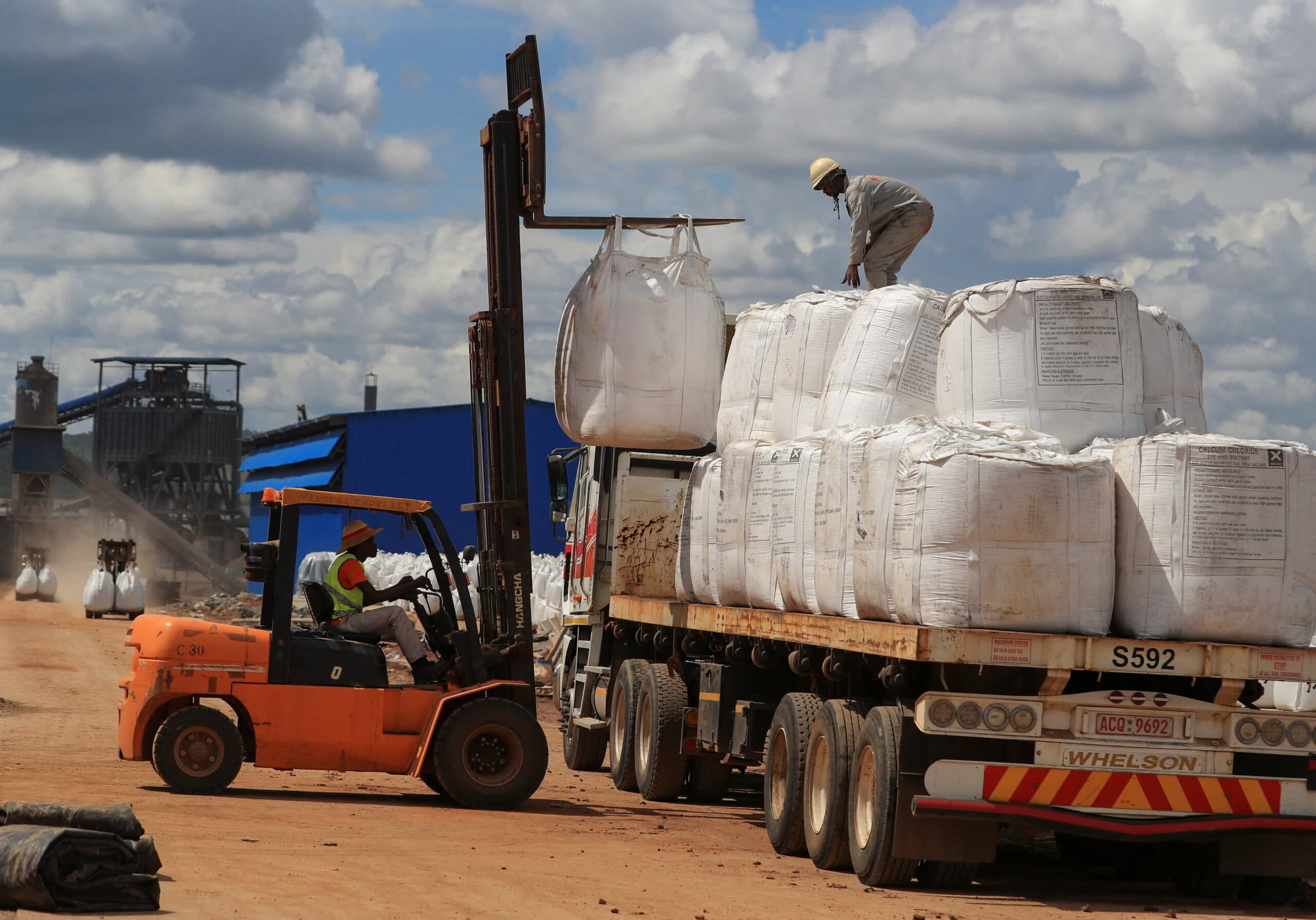
Africa needs more than export bans to cash in on critical minerals, experts say
Key Takeaways
- Export curbs by more than a dozen African countries are unlikely to create processing industries
- Major investments in energy infrastructure, private-sector partnerships, and regional cooperation are required
- Zimbabwe became the latest country to announce new restrictions banning raw minerals exports
Export curbs and goals
Last month Zimbabwe announced new restrictions, banning the export of all raw minerals and lithium concentrates, joining at least 13 African countries that have enacted export curbs since 2023 as they seek to add value to their exports and create local jobs by processing and refining minerals domestically.
“Editing:Helen Popper Curbs on raw minerals exports by more than a dozen African countries are unlikely to kickstart home-grown processing industries unless they are accompanied by major investments in energy infrastructure, private sector partnerships and regional cooperation, mining analysts say”
Zimbabwe, Africa’s top producer of lithium, said it wants its resources processed into higher-grade compounds such as lithium sulphate rather than exported as raw concentrate for refining elsewhere.
Polite Kambamura, the country’s minister of mines and mining development, said the government remains committed to ensuring transparency, in-country value addition and beneficiation, compliance, and accountability in the exportation of Zimbabwe’s mineral resources.
Officials and proponents argue that adding value locally can boost economic growth and fund social development.
Constraints and prerequisites
Analysts and industry experts say export bans alone are unlikely to kickstart viable processing industries without major investments and preconditions such as reliable energy, water, infrastructure, investment incentives, skills and strong governance.
Suzie Shefeni, a Namibia-based public policy researcher, said a ban can serve development interests if implemented systematically, gradually and in collaboration with the private sector and supported by appropriate legal mechanisms.
Silas Olan’g, Africa energy transition advisor at the Natural Resource Governance Institute, said experience shows bans rarely deliver desired outcomes and argued governments should secure commitments on infrastructure, skills and technology transfer through contracts with buyers before imposing restrictions.
Obert Bore, critical minerals expert and programme manager at the Zimbabwe Environmental Law Organisation, told Climate Home News that mining companies warn export bans do not work because Zimbabwe and other countries lack enough water and energy.
Environmental and governance risks
The article highlights acute resource and environmental constraints in Zimbabwe: processing one metric ton of lithium can require more than 50,000 litres of water, Bore said, and Zimbabwe already faces drought risk and a hefty power deficit that causes prolonged outages.
“Editing:Helen Popper Curbs on raw minerals exports by more than a dozen African countries are unlikely to kickstart home-grown processing industries unless they are accompanied by major investments in energy infrastructure, private sector partnerships and regional cooperation, mining analysts say”
Bore added that half of Zimbabwe’s electricity is used by the mining sector, and ramped-up processing could significantly impact local communities by reducing water available for agriculture and livestock.
He also warned that complicated licensing processes and weak compliance are creating leakages and opportunities for corruption as actors try to bypass bans or obtain permits improperly.
Namibia-based Shefeni recommended prioritising a trajectory of green beneficiation by promoting renewables including solar PV and wind to address the power deficit and make processing less costly and faster.
Regional coordination needed
Experts call for regional coordination and stronger bargaining power rather than unilateral export bans, saying individual actions risk weakening countries’ leverage with major partners.
Wamkele Mene, secretary-general of the African Continental Free Trade Area Secretariat, warned at the World Economic Forum in Davos that African nations risk missing out on opportunities if they do not coordinate, and Sierra Leone’s President Julius Maada Bio lamented the continent’s lack of collective bargaining power.
Bore argued African countries should present a united front to leverage their combined resources and market, pushing partners such as China to provide technology, training and skills development in return.
Shefeni urged greater focus on regional value chains and individual countries assessing their roles, while Olan’g said fragmented negotiations allow external partners to play countries against each other and that a unified Africa could pool demand, create economies of scale, and set common rules to strengthen governance and investor confidence.
More on Africa

Somaliland Offers US Exclusive Access to Minerals and Military Bases to Win Recognition
10 sources compared
Boko Haram Gunmen Massacre Scores of Villagers in Kwara and Katsina After Sending Letter Asking to Preach
19 sources compared
Boko Haram Gunmen Massacre Villagers in Kwara After Sending Letter Asking to Preach
20 sources compared

Four Masked Gunmen Assassinate Saif al‑Islam Gaddafi at Zintan Residence
30 sources compared