Crimeupdated 43m ago3 min read
Archive photo · 3 May 2016African Commission Marks International Day to End Impunity, Cites Carlitos Cadangue Attack
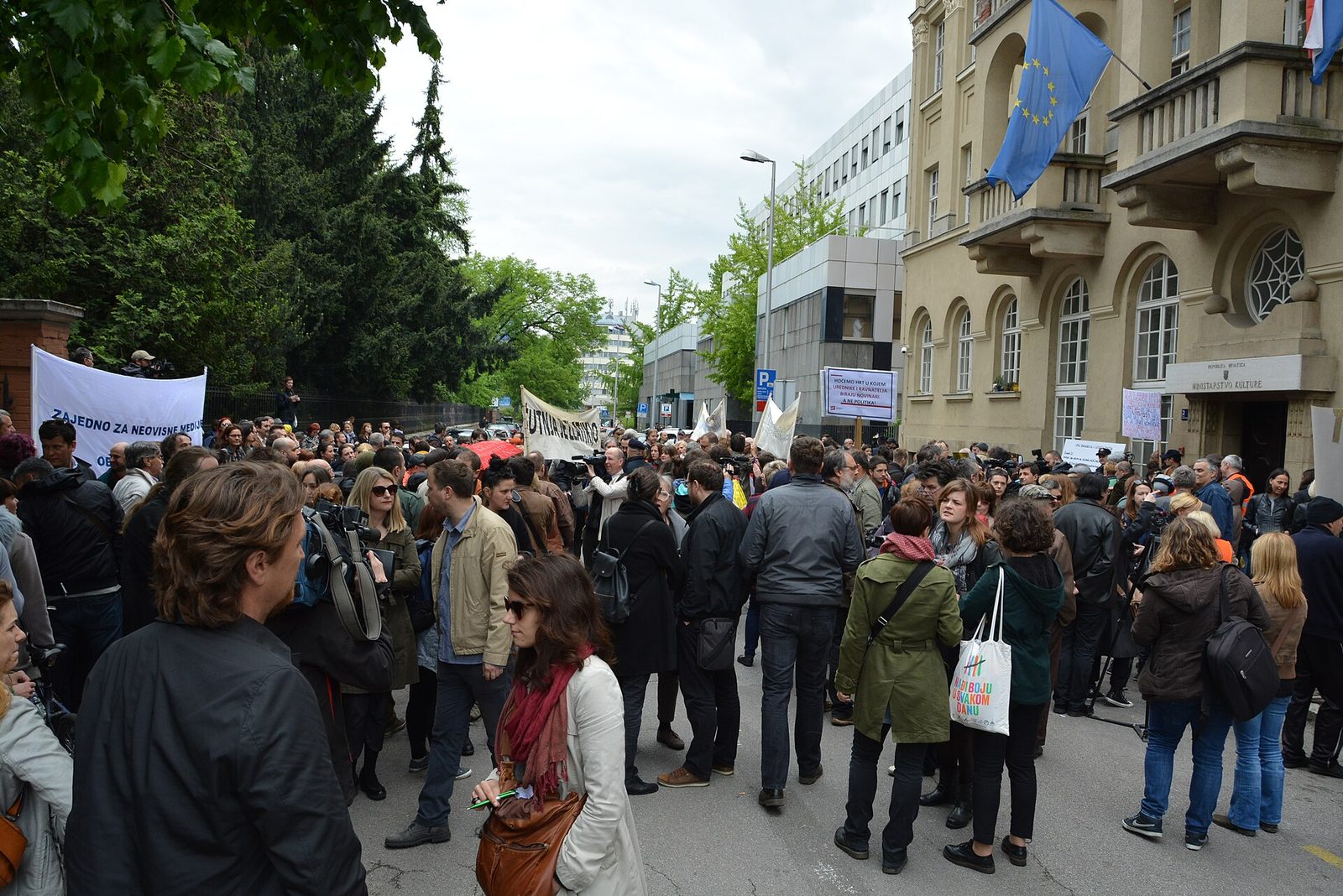
14 Other1 Western Alternative1 Western MainstreamPhoto: Branko Radovanović, CC BY-SA 4.0 · Cropped for layout
This article is an automated aggregation of coverage from news outlets. Our editorials offer in-depth analysis curated by the NewsCord team.
86% of journalist murders since 2006 remain unsolved, according to UNESCO data. UN experts urge states to strengthen investigations and prosecutions to reduce impunity.
Save coverage image
16 outlets told this the same way.
Outlets did split on Syrian Authorities Thwart Terrorist Plot Targeting Homs Refinery, General Intelligence Says →
Impunity on November 2
The African Commission on Human and Peoples’ Rights marked the International Day to End Impunity for Crimes against Journalists on 02 November, saying, "Every journalist killed or neutralized by terror is an observer less of the human condition." The Commission said it adopted Resolution ACHPR/Res.185 (XLIX) 11 in 2011 on the Safety of Journalists and Media Practitioners in Africa and reiterated that freedom of expression, press freedom and access to information can only be enjoyed when journalists are free from intimidation, pressure and coercion. The Commission said it has taken note of murders, physical attacks, arbitrary arrests and detention, incommunicado detention and enforced detention, and it highlighted the attempted assassination of Carlitos Cadangue in Mozambique.
The Commission also said 2026 marks the 25th anniversary of the arbitrary arrest and incommunicado detention of eighteen (18) journalists in Eritrea, arrested in 2001, who have not been charged, brought before any Court of law, or had contact with their families or access to legal representation in the past twenty-five (25) years. The Commission said it has addressed letters of urgent appeal in these cases, and that these have, up till now remained unanswered.
UNESCO: 86% unresolved
UNESCO’s report “Threats evolve. Impunity endures” put the impunity rate for crimes against the press at 86%, and it said that in the 2024-2025 biennium 189 journalists were killed worldwide.
UNESCO also said that in 2024 journalist killings were 92 and in 2025 they were 97, and it linked the rise to more deaths in countries at war, especially in Palestine, at the hands of Israeli forces.
UNESCO’s Mariya Gabriel, Deputy Director-General for Communications and Information, told the press that in war zones there was an increase in journalists killed “in groups,” which could indicate they were “deliberately targeted,” an act that is a “war crime”.
UNESCO said that in the twenty years since systematic monitoring began in 2006, it recorded 1,641 killings of journalists, media workers, and social media content creators.
UNESCO said it sent requests for member states to provide information on over 1,358 unresolved cases, and it reported that the impunity rate for journalist deaths rose by one percentage point from two years ago, to 86%.
Calls for accountability
The EU marked the International Day to End Impunity for Crimes against Journalists with a joint statement signed by Executive Vice-President of the European Commission Henna Virkkunen, EU High Representative Kaja Kallas and European Commissioner for Democracy, Justice, the Rule of Law and Consumer Protection Micheal McGrath. The EU said, "Impunity must end," and it called on all States to protect journalists, investigate crimes against them and bring those responsible to justice. The EU said the International Federation of Journalists reports that 15 journalists have been killed so far in 2026, while the Committee to Protect Journalists has counted 34 killings.
The International Press Institute (IPI) said that in six out of seven cases, no one has been held to account, and it called impunity for attacks on journalists a foundation for restoring trust in public institutions and the rule of law. IPI said, "When crimes against journalists go unpunished, the danger extends beyond the media to society as a whole," and it urged policymakers to take urgent, concrete action to address the unacceptably high rate of impunity.