African Development Bank Approves 19.6 Million Euros for Cabeólica Phase II in Cabo Verde
Key Takeaways
- African Development Bank approves 19.6 million euros financing for Cabeólica Phase II in Cabo Verde.
- Financing includes about 12.6 million euros as a loan portion.
- Aims to scale wind energy production and deploy battery energy storage systems.
Cabo Verde’s battery buildout
The African Development Bank Group approved financing of 19.6 million euros for Phase II of the Cabeólica expansion project in Cabo Verde, described as the island nation’s first renewable energy initiative to scale up wind energy production and battery energy storage systems (BESS).
“The Board of Directors of the African Development Bank Group has approved financing of 19”
The Board’s package includes a loan of about 12.6 million euros from the African Development Bank and a 7 million euro concessional loan from the Sustainable Energy Fund for Africa (SEFA), managed by the Bank Group.
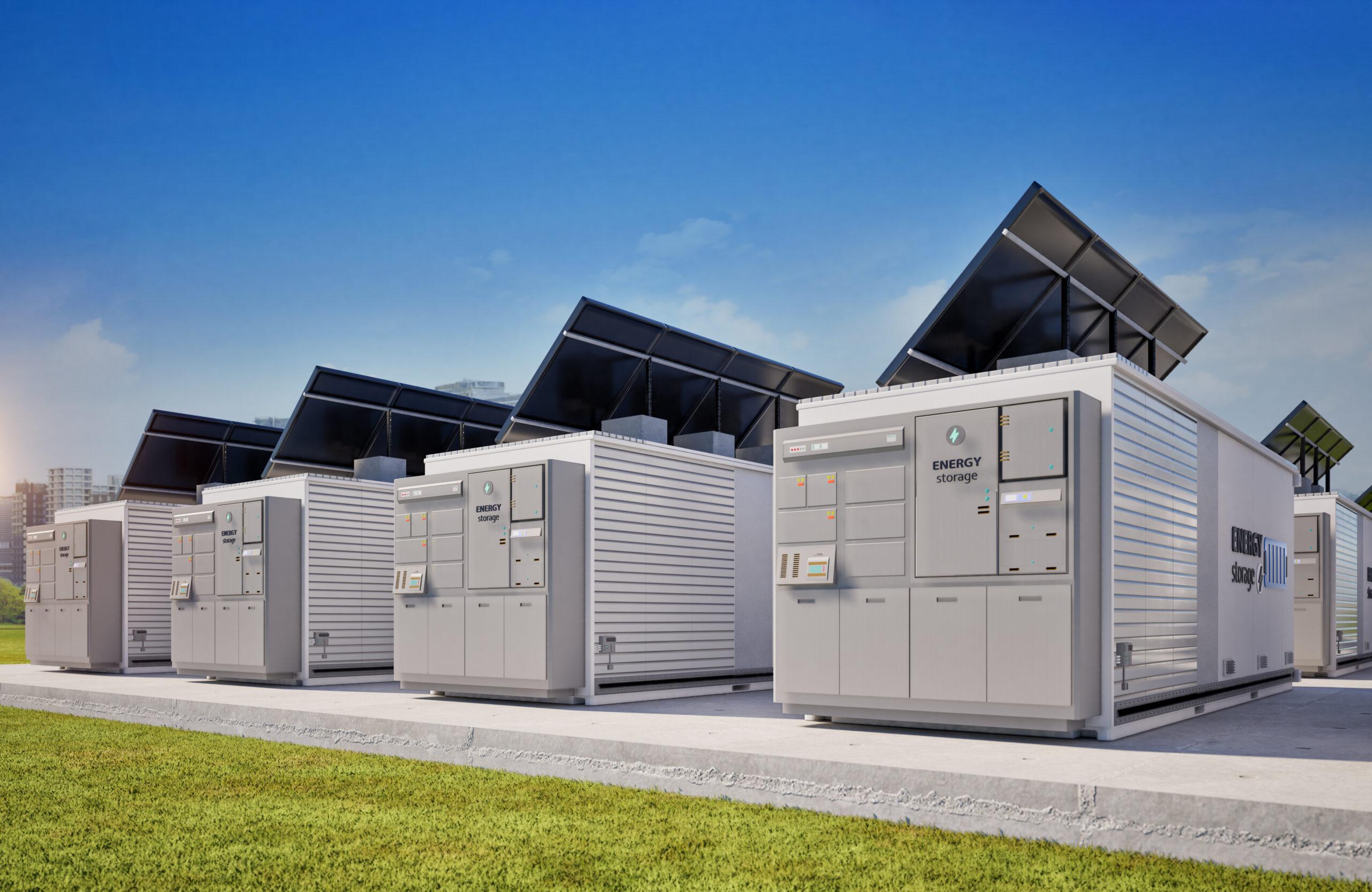
Phase II will add 13.5 MW of wind generation capacity and 26 MWh of battery energy storage connected to the grid, with the expansion expected to generate more than 60 GWh of clean energy per year and reduce carbon dioxide emissions by approximately 50,000 tonnes per year.
The project is supported by a 20-year power purchase and storage services agreement with the national utility Electra S.A. at tariffs well below the national average cost of production, and it is tied to Cabo Verde’s objective of producing 50% of its electricity from renewable energy by 2030.
Wale Shonibare, Director of Energy Financial Solutions, Policies and Regulation at the African Development Bank, said the project shows how private-sector investments, facilitated by catalytic concessional financing, can deliver affordable and sustainable energy solutions to small island economies.
Malawi logistics for Golomoti
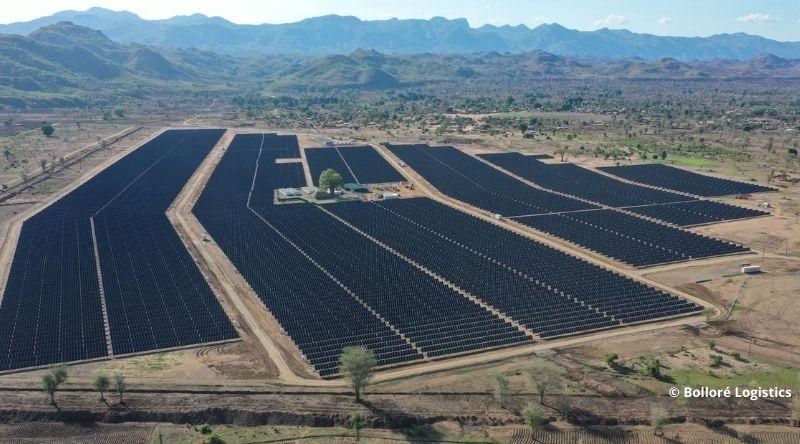
In Malawi, Bolloré Logistics Malawi managed logistics for the Golomoti Solar project from March to December, transporting 221 EVP of photovoltaic equipment and materials from China to Malawi.
The company said it moved 121 EVP of solar panels and structural components from various ports in China and 100 EVP of batteries and assorted equipment between the port of Beira and the Golomoti plant in the Dedza district about 100 km southeast of Lilongwe.
Bolloré Logistics Malawi’s CEO Valery Djamby said the operation would help “contribute to the gradual elimination of costly electricity imports and to the reduction of regional CO2 emissions.”
The same press release tied the project to a container shortage, with Djamby saying, “We faced many challenges, but the main one is linked to the global shortage of maritime containers in 2021.”
Golomoti Solar is described as Malawi’s first commercially produced solar photovoltaic plant with a battery energy storage system (BESS), able to generate 60 MW per year and provide electricity to about 75,000 Malawian households, and it is expected to be fully operational by the end of March.
BESS as grid stabilizer
Climate Home News described how Tropical Storm Ana’s 2022 landfall in Malawi hit the electricity system hard by destroying a third of its hydropower capacity and causing nationwide shutdowns.
“From March to December, Bolloré Logistics Malawi managed the logistics for the Golomoti Solar project and transported 221 EVP of photovoltaic equipment and materials from China to Malawi”
The outlet said Malawi’s government is building a 20 MW/30 megawatt hour (MWh) battery storage system in Lilongwe with support from the Global Energy Alliance (GEA) under Mission 300, aiming to stabilise the grid, smooth intermittent power supply, and reduce reliance on diesel generators.
It quoted Damola Omole, director of the “Grids of the Future, Africa” programme at the GEA, saying BESS offers the “flexibility needed to smoothly integrate high levels of variable renewables” into the power grid.
The article also described BESS as “giant power banks,” absorbing clean electricity during periods of lower demand and releasing it when demand is high or generation drops.
It added that Omole said upgrading national grids with BESS can help transmit “reliable, cost-reflective power directly to commercial clusters,” while Michael Iwu of Empower New Energy said BESS is challenging the narrative that solar and wind power alone cannot provide enough reliable electricity.
More on Technology and Science

Heat Dome Traps More Than Half of the U.S. Through Fourth of July Weekend
13 sources compared

OpenAI Seeks 5% US Government Stake in ChatGPT Developer Amid Trump Administration Pressure
17 sources compared

Microsoft Launches $2.5 Billion Frontier Company With 6,000 AI Engineers for Enterprise Deployments
12 sources compared

Anthropic Talks With Samsung to Manufacture Custom AI Chip for Claude
13 sources compared